

Business Operation · 2025
In this section22 topics
- Corporate Information4 items
- Dividend Policy2 items
- Major Shareholders2 items
- Business Strategies Overview5 items
- Material Changes & Developments2 items
- Use of Proceeds from Securities Offerings3 items
- Commitments Made in the Registration Statement1 item
- Group Operating-Structure Policy1 item
- Companies Where the Company Holds ≥10%1 item
- Shareholders with Potential Conflict of Interest1 item
- Relationships Among Major Shareholders2 items
- Shareholders' Agreement2 items
- Shareholding Diagram (Group Structure)2 items
- Income Structure4 items
- Product / Service Characteristics3 items
- Research & Development7 items
- Assets Used in the Business6 items
- Marketing Policy & Competition3 items
- Procurement of Products & Services8 items
- Projects Under Construction8 items
- Debentures & Bills of Exchange1 item
- Convertible Securities1 item
Corporate Information
Company Name
GOLDEN LIME PUBLIC COMPANY LIMITED
Telephone
0-2017-7461-3
Website
www.goldenlime.co.th
thidarat.sihawanlop@goldenlime.co.th
Dividend Policy
Dividend Policy
SUTHA’s Dividend Payment Policy to Shareholders
Articles of Association in chapter Dividend and Reserve
o No dividend shall be paid other than out of profit. In the case where a Company has accumulated losses, no dividend shall be paid.
A dividend shall be equally paid according to the number of shares, except the case where the Company has issued preferred stocks and required the different dividend payment from ordinary stocks, and the payment of dividend shall require the approval of the Shareholder’s Meeting.
The Board of Directors may pay the shareholders such interim dividends as may be justified by the profits of the profits of the Company. When these dividends are paid, such dividend payment shall be notified in the next meeting of shareholders.
o Dividends must be paid within one month of a resolution by the shareholders' meeting or Board of Directors. Shareholders must receive written notice of the dividend distribution, and the payment announcement should be published in a newspaper for at least three(3) consecutive days.
o The Company shall retain the proportion if net profit as a reserve not less than five (5) percent of the annual net profit deducted with the accumulated loss carried forward (if any) until such reserve reaches not less than ten (10) percent of the total capital.
Dividend Payment Policy
The Company shall consider making an annual dividend payment or interim dividend payment to shareholders at the rate of no less than 40 per cent of net profit stated in its financial statement and after deducting funds. Nevertheless, such dividend payment may be different from the set-out policy or be omitted subjected to changes depending on the operating result, financial status, economic situations, investment plan, necessity and circumstances in the future as deemed appropriate by the Board of Directors /or shareholders.
Historical dividend payment information:
The proposed dividend payment was appropriate given the company's cash reserves and retained earnings. The payment is in accordance with the company's dividend policy, which is consistent with its current financial position and operational plans.
Proposal for Dividend Payment in the Latest Year:
During the year 2025, the Company paid an interim dividend allocated from retained earnings as of 31 March 2025. The Board of Directors approved the interim dividend payment to the Company’s shareholders in the amount of THB 25.37 million (THB 0.07 per share).
In accordance with the Public Limited Companies Act B.E. 2535, Section 116, and the company's regulations, Article 45, the company must allocate a portion of its annual net profit as a reserve fund, not less than 5% of the annual net profit after deducting accumulated losses (if any), until the reserve fund reaches not less than 10% of the registered capital. During the year 2025, the company allocated a reserve in accordance with the Public Limited Companies Act B.E. 2535 amounting to 999,917 baht, bringing the total legal reserve as of December 31st, 2025, to 37,500,000 baht.
Based on the operating results from January 1st to December 31st, 2025, the company's separate financial statements showed a total net loss of 6.90 million baht and unallocated retained earnings of 245.03 million baht. The cash and cash equivalents as of December 31st, 2025, amounted to 29.04 million baht. The interim dividend payment for the period from January 1 to September 30, 2025, to the company's shareholders amounted to 25.37 million baht (0.07 baht per share), allocated from retained earnings as of March 31, 2025, for the interim dividend rate allocated to shareholders. This interim dividend payment was made in accordance with the Company’s dividend policy, in which the Company shall consider approval of an annual dividend payment or interim dividend payment to shareholders at the rate of no less than 40 per cent of net profit stated in its financial statement and after deducting funds.
Nevertheless, such dividend payment may be different from the set-out policy or be subjected to changes due to the operating result, financial status, economic situations, investment plan, necessity and circumstances as deemed appropriate by the Board of Directors /or shareholders. The dividend paid to shareholders on 6 June 2025 at the rate of THB 0.07 per share was approved by the Board of Directors and calculated based on retained earnings and the Company’s performance in the first quarter of the year. However, the Company’s operating performance in the subsequent quarters began to slow and decline steadily. The downturn was primarily driven by unfavorable economic conditions, as well as the impact of internal operational adjustments. Consequently, the Company recognized an allowance for impairment of inventories, measured at their estimated recoverable amount, which constituted a significant portion of the operating loss. In addition, the Company’s performance further deteriorated toward the end of the year, resulting in a net loss for the fiscal period from 1 January 2025 to 31 December 2025.
In compliance with the Company’s Articles of Association and prudent financial management practices, the Board of Directors resolved to propose to the Annual General Meeting of Shareholders the approval of the omission of the dividend payment for the operating results for the period 1 October – 31 December 2025.
The shareholders as an ordinary person can request a dividend tax credit according to the criteria specified in Section 47 bis of the Revenue Code for dividends paid from activities not promoted by investment (Non-BOI) in the amount of 0.07 baht/share. Shareholders can exercise the dividend tax credit at a rate of 20/80.
Historical Dividend Payments
| This Year | Last Year | 2 Years Ago | 3 Years Ago | 4 Years Ago | Metric | Description | Remark |
|---|---|---|---|---|---|---|---|
| -0.03 | 0.17 | 0.13 | 0.3 | 0.17 | Net profit per share (Baht : Share) | Net profit per share (baht : share) | The earnings per share (EPS) is calculated based on the net profit as reported in the consolidated financial statements. However, the consideration for dividend distribution is based on the performance reported in the separate financial statements. |
| 0.07 | 0.08 | 0.08 | 0 | 0.13 | Dividend per share (Baht : Share) | Dividend per share (baht : share) | |
| 0 | 0 | 0 | 0 | 0 | Dividend stock ratio (Number of original shares: dividend shares) | Ratio of stock dividend payment (existing share : stock dividend) | |
| 0 | 0 | 0 | 0 | 0 | Dividend share value per share (Baht : Share) | Value of stock dividend per share (baht : share) | |
| 0.07 | 0.08 | 0.08 | 0 | 0.13 | Total dividend payment value (Baht : Share) | Total dividend payment (baht : share) | |
| 368 | 49 | 41 | 0 | 86 | Dividend payout ratio to net profit (%) | Dividend payout ratio compared to net profit (%) |
Business Strategies Overview
Chairman's Message
To Shareholders, Customers, Business Partners, Employees, the Governance unit of Golden Lime PLC “SUTHA”
This letter is part of SUTHA’s Annual Report. As a public company, we publish mandated quarterly data, but we also feel responsible for sharing our perspectives on your investment and our business approach. We aim to communicate transparently, as we would expect if our roles were reversed, reporting both positive and negative developments at SUTHA. Our goal is to provide you with all relevant facts, figures, trends, and insights needed to assess your investment-fulfilling the true purpose of an Annual Report.
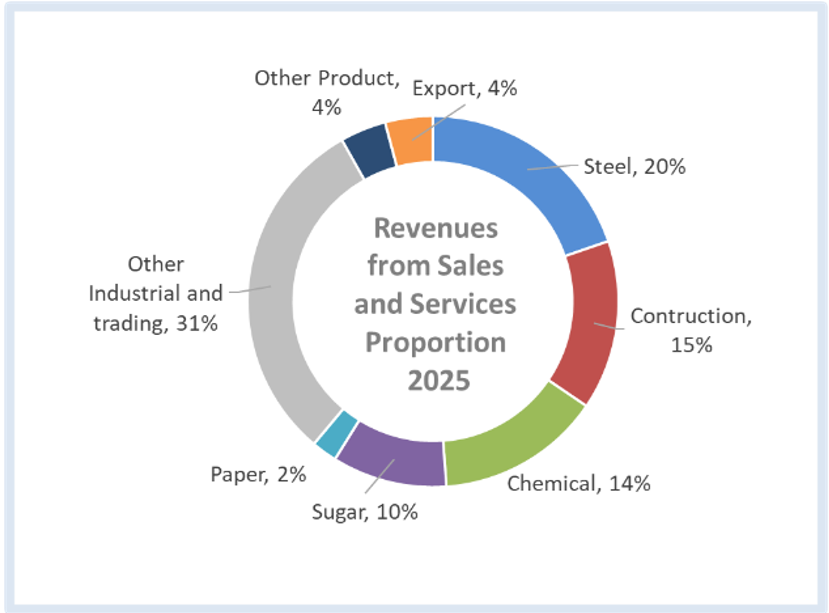
Quicklime, the product Golden Lime makes via calcination of limestone from the Thai Marble LLC. owned Khao-Kao quarry Revenue generated from the sale of lime products represents SUTHA’s core income stream, accounting for 82% of total revenue from Sales and Services in the previous fiscal year. Of this amount, 96% was derived from domestic sales and 4% from export markets. The Company serves a broad range of domestic industrial sectors, while export sales were distributed to Bangladesh, Taiwan, Singapore, Korea, the Philippines, Laos, and other countries.
Production volumes remain under pressure due to market conditions characterized by excess supply and limited demand, coupled with intensified competition among numerous producers. The Company’s key business activities and major customers continue to center around lime products, with demand concentrated in the following core industries:
Steel Industry
The steel sector remains the principal consumer of lime and contributes 20% of the Company’s revenue. The industry has shown signs of stabilization and modest recovery following a downturn in 2023 and continued contraction in 2024, largely driven by a slowdown in construction activities. Several domestic steel manufacturers ceased operations in prior years, while the remaining producers continue to face competitive pressures from imported steel and low-quality steel produced locally using induction furnaces.
Although regulatory momentum emerged after the collapse of a large building impacted by the major earthquake in March 2025 - prompting authorities to strengthen industrial standards to curb the use of substandard steel-these measures have not yet provided sufficient protection for domestic producers against unfair competition from Chinese imports. Despite slight improvements supported by construction projects and automotive manufacturing, the sector continues to face structural challenges from subdued construction demand and persistent oversupply from China.
Construction Industry
The construction sector, targeted for the Company’s CAVA products, has yet to achieve expected performance levels, including sales from the subsidiary. This industry accounted for 15% of total revenue but has been affected by a downturn in the real estate market since the second half of 2024, with no material signs of recovery. Nevertheless, sales of construction stone continue to provide partial support to the Company’s revenue base in this segment.
Chemical Industry
The chemical industry remains an important customer group, contributing 14% of revenue. Growth potential exists due to continued foreign investment in Thailand and the country’s role as a production base for organic chemicals. However, increasing competition has led to downward pressure on selling prices and declining sales volumes.
Sugar Industry
The sugar sector contributed 10% of total revenue and experienced reductions in both volume and selling prices due to competitive pricing pressures within the market. As a result, revenue from this segment declined compared to the previous year.
Export Sales
Export sales represented 4% of total revenue. Export volumes decreased relative to the prior year due to the continued appreciation of the Thai Baht, which adversely impacted the competitiveness of Thai products in international markets.
Dolime The dolime product line, now in its sixth year of continuous production and sales under the Company’s new product development initiative, serves as a substitute material in steel manufacturing to replace imported magnesium. Performance remained below expectations due to the prolonged downturn in the steel industry since 2023. Over the past two years, reduced production levels resulted in significant accumulation of inventory. Moreover, continuous fault in the dolime briquetting machine prevented production of briquetted products, further contributing to inventory turnover delays.
In 2025, these accumulated impacts led to adjustments in product valuation and downward revisions of future value estimates. Nevertheless, capital expenditure for upgrading the briquetting machinery has been approved, including the installation of an additional machine to expand processing capacity and support future production and sales.
Calcium Carbonate
The Company manufactures calcium carbonate from both calcite and marble sources, offering products across high-grade and medium-grade quality levels. High-grade calcium carbonate is produced from calcite using small-scale production capacity, while medium-grade products are manufactured using raw materials sourced from the Khao Ngob quarry operated by the Thai Marble LLC. These products collectively form the Ground Calcium Carbonate (GCC) product group.
Following the Company’s investment in GCC production facilities and machinery, product acceptance improved notably during the first half of the year. However, demand subsequently softened due to the impact of the “Trump Tariffs”, which affected customers using GCC to manufacture export-oriented products destined for the United States. As a result, purchase volumes declined.
Limestone aggregates The Company’s crushed stone products, sourced from the Khao Khao quarry of Thai Marble LLC, are used in road construction, flue gas desulfurization processes, and concrete production. While this business contributes to the revenue of Golden Lime Public Company Limited, its impact on EBITDA remains limited, as crushed stone is primarily produced as a by-product from limestone extraction for kiln operations. Nonetheless, this product segment remains a strategic area for generating incremental value and supporting long-term EBITDA growth.
Marble aggregates The marble scrap business, introduced by the Thai Marble LLC two years ago, has developed into a small-scale commercial activity that is profitable and contributes positively to the subsidiary’s EBITDA performance.
Marble ornamental stone The decorative marble business is the long-established core business of the Thai Marble LLC, with a legacy spanning over 60 years. It remains a stable contributor, representing not less than 9% of the Company’s EBITDA. This business reflects the continuation of traditional Thai architectural craftsmanship and forms a solid foundation supporting the long-term stability of SUTHA Group.During the past fiscal year, production relied on domestic raw materials from the Khao Ngob quarry-the largest marble quarry in Thailand. Finished products comprised both locally manufactured marble and imported marble, complemented by installation services and artisanal craftsmanship. This segment continues to represent a key revenue source for the Thai Marble LLC, a major subsidiary within the SUTHA Group.
*****
Performance Overview
In 2025, outcomes reflected a mix of business challenges, including an unresponsive economy, strong market competition caused by low demand and abundant supply, and ongoing decreases in both sales volume and pricing. These trends stemmed from leading industry companies adopting aggressive price reductions to capture market share, as well as geopolitical instability, slower economic growth, and persistent drops in revenue.
In 2025, the Company generated total revenue from sales and services of THB 1,298.35 million, representing a contraction from THB 1,354.71 million in 2024 and THB 1,428.44 million in 2023. The year-on-year decline reflected weaker market demand and price pressure across key product segments. EBITDA for the year amounted to THB 158 million, decreasing from THB 243 million in 2024 and THB 226 million in 2023. This level of EBITDA is materially below the 2022-2023 performance range of approximately THB 225-226 million. The reduction was primarily driven by the softer revenue base and margin compression in the second half of the year. On a statutory basis, the Company reported a net loss of THB 9.10 million in 2025. The loss was attributable to exceptional items recognized during the third and fourth quarters, which adversely affected operating profitability. Excluding these exceptional items, the Company would have recorded a normalized net profit of THB 46 million, underscoring the resilience of core operations despite external headwinds.
Outlook for 2026 and Future Prospects
The economic environment in 2026 is expected to experience a gradual recovery, while interest rate trends begin to ease. Nevertheless, geopolitical volatility remains elevated. For Thailand, economic expansion is anticipated to be driven by public sector investment and growth in the industrial sector. Meanwhile, capital market sentiment may improve following shifts in policy direction under the new government administration.
To navigate challenges and overcome external pressures, SUTHA has undertaken structural adjustments within the organization, including strict cost-reduction measures, workforce development, skills enhancement programs, and initiatives aimed at strengthening employees’ decision-making capabilities. The Company has also implemented clear management actions to mitigate risks and reduce the severity of potential impacts. Investment decisions are prioritized in alignment with working capital conditions and cash-flow management.
Through these measures-combined with timely execution, operational efficiency, accurate and complete data-management systems, and strengthened collaboration across all functions, the Company aims to reinforce organizational capability. Support from key stakeholders, including shareholders, customers, and strategic partners, is expected to play a critical role in enabling SUTHA to overcome challenges and progress toward a path of sustainable growth.
Management remains focused on developing high-growth product segments and maintaining operational excellence through strict quality control and cost discipline. Strategic expansion of the Thai Marble LLC’s presence in the calcium carbonate market, together with the acquisition of new customers and penetration into new markets, will continue to serve as key drivers of business growth.
The Company also continues to pursue diversification and secure high-quality raw material sources to strengthen long-term supply stability and enhance product quality. Financial structure management will prioritize achieving targeted levels of free cash flow while reducing short-term debt obligations through effective working capital management. Additionally, organizational capability will be enhanced by eliminating structural redundancies and reinforcing performance accountability through clearly defined KPIs and continuous monitoring to achieve long-term objectives.
Operational Excellence and Competitive Capability
During the past year, SUTHA continued to strengthen its organizational foundation with a focus on long-term resilience, guided by our mission: “We contribute to a better world.” We remain committed to delivering value to our customers, shareholders, and stakeholders through strategic business development aligned with principles of sustainability.
Organizational enhancement efforts included the development of our people, continuous process improvement, team-building initiatives, and investments in technology and information systems to enhance data accuracy, connectivity, and internal communication. These initiatives support transparent disclosure and meaningful stakeholder engagement, fostering a culture that prioritizes long-term relationships and responsible operations in delivering high-quality products and services to our customers.
Strategic Priorities for 2026
The year 2026 will continue to present significant challenges as the Company strives to reinforce its business strength and enhance competitiveness. Our key strategic objective remains the enhancement of customer satisfaction to support business growth and operational performance. A central priority across all processes is the safety and well-being of employees and stakeholders throughout the supply chain. The Company remains committed to maintaining its safety record and achieving zero-injury performance.
To support this direction, the Company has established the following strategic priorities:
(1) Sales Growth
Strengthen and expand sales volume and market share.
Focus on high-potential products with competitive advantages, including Dolime, Lime, Cava, and GCC.
Maintain strong relationships with key customers to ensure long-term business sustainability.
(2) Raw Material Sourcing
Secure quality limestone sources and enhance resource management efficiency.
Optimize utilization of quarry resources to support production stability and long-term competitiveness.
(3) New Product Development
Pursue opportunities for new products to expand into new customer segments.
Strengthen distribution development initiatives to support market penetration.
(4) rganizational Restructuring and Efficiency Enhancement
Streamline organizational and management structures.
Strengthen cross-functional skills, collaboration, and workforce capability.
(5) Working Capital and Resource Optimization
Maximize value creation from residual raw materials.
Promote renewable energy usage and improve overall resource efficiency.
Key undertakings (GRI: 2-22) SUTHA remains committed to sustainability initiatives across three key areas: environment, society, economy, and governance (ESG). The board of directors, executives, and employees collaboratively design and implement activities that align with the Company's sustainability policies (ESG Policies) | |
| In the realm of the environment, SUTHA is dedicated to fostering a positive ecological impact. The executive team and staff actively engage in environmental initiatives that adhere to critical environmental management policies, which include energy Management, energy Conservation, water Resource Management, waste Management, Biodiversity Management, greenhouse gas management. SUTHA ensures compliance with ISO 14001 environmental standards. This involves pollution control measures and the installation of systems that utilize air quality data for ongoing improvements in environmental management. |
| SUTHA recognizes the critical role of human resources and workplace safety in its operations via implementing safe processes throughout its business chain with the objective of achieving zero accidents. To this end, it conducts safety training programs for employees at all levels, promoting ten essential rules for life protection. Additionally, SUTHA seeks to foster a collaborative network by encouraging the adoption of four key behaviors, with support from major stakeholders inviting employees to actively participate in various organizational activities by sharing their ideas and feedback, fostering a sense of ownership and commitment to responsible operations that meet defined outcomes. SUTHA is committed to fair labor practices and upholding employee rights, ensuring adherence to labor laws and welfare standards. This includes ethical practices, prohibiting child and forced labor, and maintaining a safe and healthy work environment. The organization follows the international standard ISO 45001 to guarantee that its safety and occupational health systems meet strict safety criteria. SUTHA promotes non-discrimination and establishes a framework for equitable practices, allowing employees the right to organize collective bargaining. SUTHA also takes responsibility for its products and engages with customers, while actively participating in community and social initiatives. This includes collaboration with civil society and local organizations to support activities related to education, religion, culture, natural resource management, occupational health, safety, and improving the quality of life for disadvantaged groups, as well as addressing water management and sanitation issues to reduce social inequality. |
| The corporate governance initiative serves as a catalyst for implementing and enhancing processes aligned with sustainability principles, risk management, and administration aimed at mitigating the effects of fluctuating demand and market competition. This includes advancing cost-saving initiatives to manage and lower production expenses, as well as identifying alternative customer segments to offset losses from decreased demand and the overall downturn in the industry. Nevertheless, the successful collaborative management of the business chain, which delivers value to essential stakeholders, is underscored by the recognition received through the "Sustainability Award." This accolade reinforces the company's dedication to adapting its business practices in line with sustainable growth objectives while fostering trust and confidence among stakeholders. |


SUTHA underwent a significant transition in its executive leadership. The new leadership team was appointed through a nomination process supported by the Company’s major shareholders, bringing in highly experienced executives from international affiliate groups with a proven track record of success in managing operations within the same industry. This leadership transition marked an important milestone in strengthening the Company’s strategic direction and enhancing its long-term competitiveness.
With a distinct strategic outlook, strengthened expertise, and steadfast commitment to principled corporate governance, the new leadership prioritizes rational decision-making, operational rigor, and teamwork. The approach centers on collaborative management to reinforce organizational capabilities and address industry challenges effectively.
SUTHA acknowledges that cooperation throughout all levels of the organization supported by ongoing trust and active engagement from key stakeholders including shareholders, customers, and business partners-is essential for managing external pressures, reducing negative impacts, and reversing performance declines. These internal strengths, in conjunction with stakeholder support, are anticipated to drive significant momentum and create avenues for sustainable business growth in the years ahead.
The Board of Directors, management, and all employees of SUTHA remain committed to conducting our business responsibly and delivering meaningful value to our customers, shareholders,
and all stakeholders so that we grow and succeed together.
We extend our heartfelt appreciation for your continued trust and support.
It inspires us to keep moving forward with dedication and purpose.
Vision
To be “a leading lime manufacturer and minerals processor in South-East Asia”
in delivering highest values to all Shareholders and Stakeholders.
Mission
“We contribute to a better world” is established and aligned with our vision.
Objectives
The business objective of the company and its subsidiaries is to produce and distribute the following main products:
1) Lime Product (Quick lime, Hydrated lime and Dolime)
2) Ground Calcium Carbonate (GCC)
3) Manufacture and Installation of marbles and by products
4) Limestone quarry products, trading and resale
5) Distribution and Installation of machines and Engineering Services
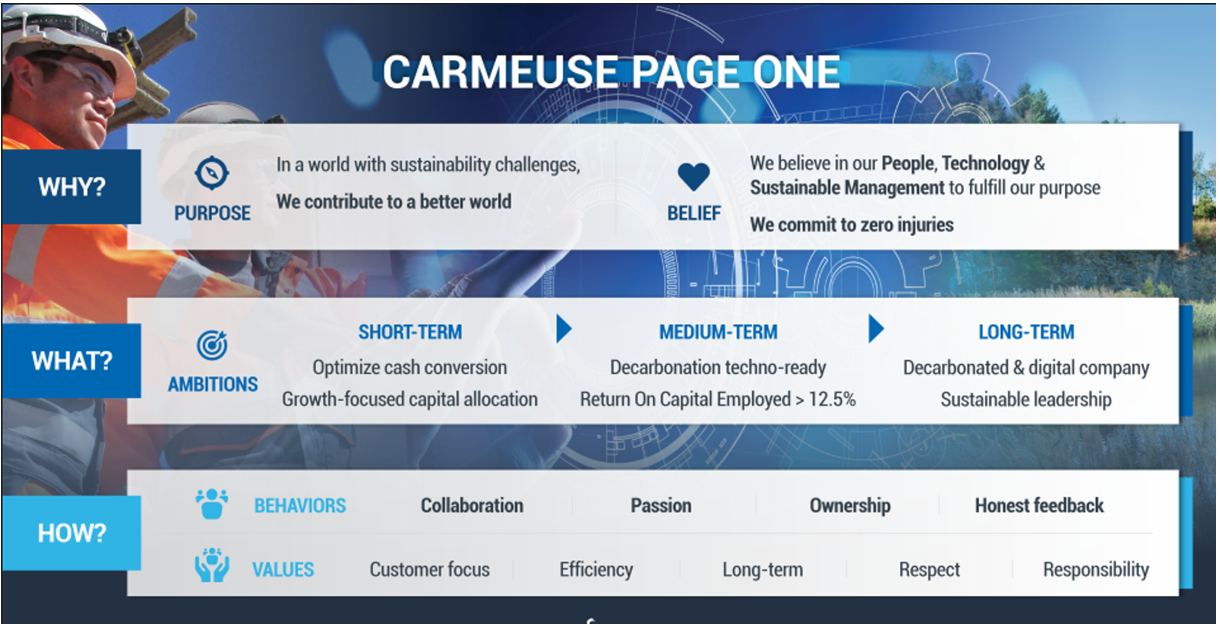
The company's direction and mission have been formulated to correspond with the vision and core values set forth by Carmeuse, the principal indirect shareholder. Our objective is to deliver care and services to our customers and stakeholders. These values have been instilled in all employees to foster a professional work ethic and mindset. The framework is outlined as follows:
Goals
To fulfill that purpose, at Carmeuse we also have a belief in what it takes to get there, focusing on three factors: People, Technology, and Sustainable Management.
Our success depends on having engaged, passionate people dedicated to our purpose. We believe that innovation and technology, led by our people, are essential to achieving our goals.
Sustainable management is key for long-term success, and we support the United Nations' 17 Sustainable Development Goals as a framework for positive business impact.
Consequently, optimizing our cash conversion is the first short-term ambition.
SHORT-TERM| Optimize cash conversionGrowth-focused capital allocation
MEDIUM-TERM|Decarbonation techno-ready Return On Capital Employed > 12.5%
LONG-TERM | Decarbonated & digital company Sustainable leadership
Promoting four behaviors among personnel at all levels is the responsibility of every manager and employee believing that everyone will work together to practice, encourage, and establish these behaviors, playing a key role in driving our organization's success. Honest feedback drives continuous learning and improvement through regular, respectful communication and active listening. Collaboration means working together for shared goals, combining talents, welcoming diverse perspectives, and building trust. Ownership involves handling responsibilities proactively, taking initiative, and being accountable from start to finish delivering value. Passion is pursuing work with enthusiasm and dedication, staying proactive and committed even during challenges.
5 core values define our company and guide our operations.
SUTHA’s values, shaped by the Carmeuse Group, influence its culture and stakeholder practices. | |
CUSTOMER FOCUS
| We prioritize our customers and provide high-quality products and services. Our customer-focused approach ensures that our offerings are efficient and tailored for practical use. SUTHA has developed products with a wide range of applications, serving many industries and fostering lasting relationships with customers. We encourage and support ongoing personal development among our employees, empowering them to reach their full potential and provide the best possible service to our customers. |
LONG TERM
| Long-term relationships, employees, and stakeholders are our key strengths. We aim to build efficiency, unlock potential, take pride in our work, and enjoy working together. |
RESPONSIBILITY
| At SUTHA, we are committed to responsible production of lime and calcium carbonate, prioritising human health, natural resources, and environmental care for present and future generations. |
RESPECT
| SUTHA is committed to being a responsible and proactive company, continuously adopting top industry practices that prioritize human health, natural resources, and environmental well-being. |
EFEICIENCY
| Maximizing resources efficacy, we use and transform natural resources-limestone, fuels, and water, in order to efficiently maximize their functional purpose, while at the same time minimizing waste. SUTHA’s plant operations are highly experienced and skilled in using all raw material extracted from the earth. Our process management result in a careful consumption of energy, water and stone. |

Goal
Economic and Governance
1. Diversification and Stability : Focus on increasing the diversity and stability of raw materials, boosting sales, and generating operational profits to enhance net profit.
2. Industry Leadership : Aim to be a leader in the production and distribution of lime, calcium carbonate powder, and marble products by delivering responsible products and services.
3. Innovation and Technology : Develop processes and products using technology and innovation, creating business growth opportunities through new product development.
4. Efficiency and Customer Satisfaction : Promote and develop improvements in both the company's and customers' production processes, ensuring customer satisfaction by producing industry-specific products and providing appropriate product usage advice at competitive prices.
5. Sustainable Growth : Maintain business growth with long-term profitability to generate returns for stakeholders.
6. Good Governance : Establish and integrate good corporate governance across all managed companies with robust internal control systems and risk management to handle crises effectively, ensuring legal and regulatory compliance for sustainable business operations.
Social
1. Safety and Health : Conduct business with a focus on safety, occupational health, and suitable environments for employees, customers, partners, communities, and stakeholders.
2. Equal Employment Opportunities : Promote equal employment opportunities, local hiring, equality, and operations under human rights principles.
3. Education and Skill Development : Enhance opportunities for education and skill development to improve the quality and potential of personnel, fostering organizational development.
4. Stakeholder Engagement : Develop participation and cooperation with stakeholders to drive sustainable organizational, business, and social development.
Environmental
1. Environmental Management : Implement process with minimizing environmental effects, which includes taking steps for climate change, understanding its possible consequences, and managing risks. Handle waste management effectively, decrease the volume of waste that requires landfill disposal, and limit excess materials generated from processes as much as possible.
2. Biodiversity Management : Oversee biodiversity and the effects of business activities on ecosystem services. Encourage the protection and rehabilitation of natural environments.
3. Environmental Conservation Activities : Encourage and back initiatives for environmental conservation while advocating for the use of company products to minimize ecological footprints. Foster circular economy practices and enhance the efficiency of resource management.
Business Strategies
The company has developed business strategies to drive the organization meet its objectives within the designated timeline. The strategic framework consists of three tiers: Corporate strategy, Business strategy, and Operational strategy.
Corporate strategy
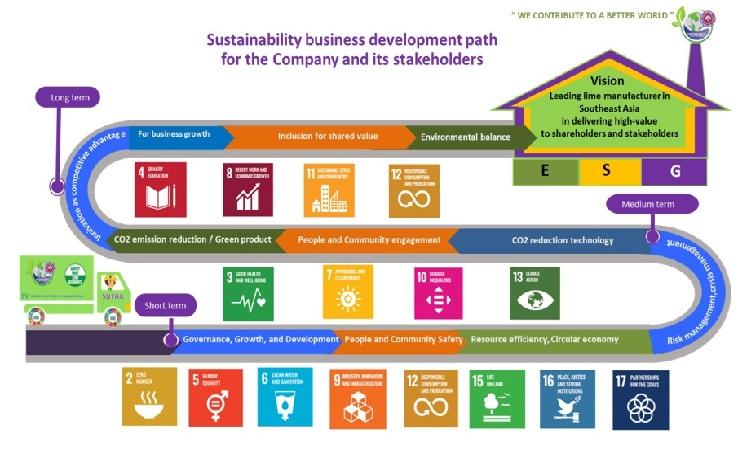
“The three paths to business sustainability of SUTHA”, which the Sustainable Development Committee proposed to the Board of Directors for approval as a strategy for driving and developing sustainability, consisting of 3 aspects: environment (E), society (S) and economy and governance (G) that set goals in the short, medium and long term.
Aligned to | Short Termed Goals, 1 – 2 yrs. |
Responding to SDG’s
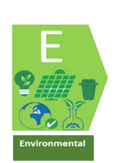
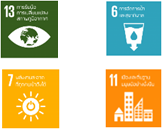
| Environmental (E)
Indicators
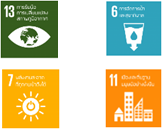
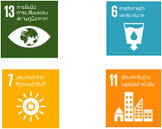
SDG’s (GRI: 3-3) SDG13, SDG 6 , SDG 7, SDG 11 |
Responding to SDG’s
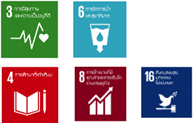
| Society (S)
Indicators
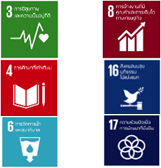
SDG’s SDG 3, SDG 6, SDG 4, SDG 8, SDG 16 |
Responding to SDG’s
| Economic and Governance
Indicators
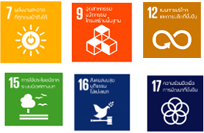
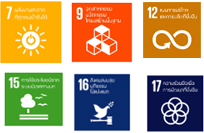
SDG’s SDG 7, SDG 9, SDG 12, SDG 15, SDG 16, SDG 17 |


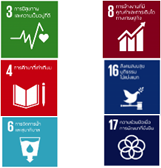
Support to | Short Termed Goals, 3 – 5 yrs. |
Responding to SDG’s
| Environmental (E)
Indicators
SDG’s (GRI: 3-3) SDG 13, SDG 6 , SDG 7, SDG 11 |
Responding to SDG’s
| Society (S)
Indicators
SDG’s SDG 3, SDG4, SDG 6, SDG8, SDG 16 , SDG 17 |
Responding to SDG’s
| Economic and Governance
Indicators
SDG’s SDG 12, SDG 9, SDG 7, SDG 15, SDG 16, SDG 17 |


Support to | Short Termed Goals, 3 – 5 yrs. |
Responding to SDG’s
| Environmental (E)
Indicators
SDG’s (GRI: 3-3) SDG 13, SDG 6 , SDG 7, SDG 11 |
Responding to SDG’s
| Society (S)
Indicators Zero LTI Zero Human Rights complaint Training hours of employees Highest customer satisfaction Employee satisfaction SDG’s SDG 3, SDG 4, SDG 6, SDG 8, SDG 16, SDG 17 |
Responding to SDG’s
| Economic and Governance
Indicators
SDG’s SDG12, SDG9, SDG7, SDG15, SDG16, SDG 17 |


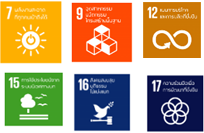
Such 3 paths link to the SDG’s goal of sustainability development.
All internal Stakeholders get involved to drive sustainability business development through routine business activities in response to the United Nations Sustainable Development Goals SDG's Goal.
SUTHA has also adopted and adjusted the Carmeuse strategic policy incorporated with the corporate governance of listed companies to support SDG’s Goal. (GRI: 3-3)
| SDG’s 2 To end hunger, achieve food security, improve nutrition, and promote sustainable agriculture. Lime and Calcium carbonate application in sugar production, animal feed, fishing, and agricultural industries, solutions to soil acidity and water treatment
|
| SDG’s 3 Ensure health and well-being for all and Prioritize the health and welfare of our employees, their families, and the surrounding local communities. The core strategy of the Company
|
| SDG’s 4 Ensure equitable quality education and promote lifelong learning opportunities for all We implement
|
| SDG’s 6 “Clean water” is essential for life. SUTHA products play a vital role in the treatment of both drinking and wastewater to soften water, neutralize pH, and remove organic impurities and heavy metals. The Company’s strategy
supporting wildlife conservation activities and promoting the usage of environmentally friendly products among business peers |
| SDG’s 7 Ensure access to affordable, reliable, sustainable and modern energy for all We are committed to
Our products play a key role in the production of Solar Glass and the elements of windmills. Additionally, with support from the Carmeuse group, we initiated in
|
| SDG’s 8 Promote inclusive and sustainable economic growth
The core of our sustainability strategy is
|
| SDG’s Target 9 Build resilient infrastructure, promote sustainable industrialization and foster innovation. Our primary business starts with lime and limestone, which have been used in infrastructure projects for thousands of years. Currently, our largest growth segment is in construction, thus making it a key part of our strategic focus. Our strategy focuses in three areas:
|
| SDG’s Target 10 Mitigate social disparities by fostering local employment opportunities, ensuring that compensation is at least equal to the legally mandated minimum wage. Strategic goal
|
| SDG’s Target 11 Making cities safe and sustainable Strategic Goals:
|
| SDG’s Target 12 Ensure sustainable consumption and production patterns
|
| SDG’s Target 13 Take urgent action for climate change and its impacts. Carmeuse Group overarching strategy for reaching CO2 neutral by 2050, provided that the global team in place focuses on the following five pillars:
SUTHA also drives these five pillars in promoting other businesses to reduce its impact on climate change. Additionally, the Application teams are setup to work with our customers to improve processes and efficiencies which reduce CO2 impacts. |
| SDG’s Target 15 Protect, restore and promote sustainable use of terrestrial ecosystems
Land is considered a factor of business, then it is the responsibility of the business to
|
| SDG’s Target 16 Promote peaceful and inclusive societies for sustainable development, provide access to justice for all and build effective, accountable, and inclusive institutions at all levels.
|
| SDG’s Target 17 Strengthen the means of implementation and revitalize the global partnership for sustainable development. Strategic goals in 3 aspects;
|


Operational Strategies adhering to Operational Excellence
• Safe Process, Personal Safety and Environment
Compliance with the Occupational Safety and Health standards ; implementing safe working procedures throughout the production process and managing environmental practices within the organization, thereby ensuring the highest performance standards in alignment with the organization's safety protocols.
• Quality Excellence
Emphasizing manufacturing high-quality products. The ongoing marketing efforts address a variety of market demands to maintain a competitive edge sustainably, while exclusively providing the highest quality offerings.
• Energy
Mitigating environmental impact through efficient energy utilization, investing in solar energy, renewable energy, and low-carbon energy initiatives. Additionally, effective management of energy resources is essential to maintain stability and ensure uninterrupted production processes.
• Project Development and Execution
Formulate investment initiatives aimed at enhancing processes, ensuring operational continuity, and generating opportunities for business expansion by effectively managing risks and protecting investments until the projects are systematically completed under stringent oversight.
• Yield and Supply Chain
Emphasizing the production processes to enhance manufacturing efficiency in order to achieve a competitive edge.
• Reliability
Prioritizing the maintenance of machinery for enhancing production efficiency to satisfy market demands.
• Cost Effectiveness
Efficiently controlling and managing costs through the utilization of various tools, including Statistical Process Control (SPC) and Lean Manufacturing, aims to enhance the value of products and services while striving for the optimal use of resources.
• Operation
To ensure business and operation sustainability by implementing innovative management tools and techniques, which include:
1) Strategy - defining consistent paths and goals
2) Culture - Encouraging employees to work together to create new ideas and implement innovations that enhance work, processes, or products.
3) Process– capable of measuring, replicating, and achieving success.
4) Tool & Techniques - employed to encourage innovation.
5) Matrices –Performance metrics to evaluate effectiveness with measurable capacity.
Key Plan and Strategy Updates in the Past Year
Align Carmeuse’s indirect major shareholders’ strategic goals with the organization’s core objectives to ensure management direction matches key shareholder strategies.
Four Behaviors value aim to encourage important habits within staff members. These behaviors act as vital principles guiding everyday actions and shaping the broader culture of the organization.
To comply with the SEC of Thailand’s sustainability disclosure requirements, the company has aligned its strategy with IFRS S1 and S2 standards, which will be mandatory for listed companies by 2030. The plan requires collecting and disclosing GHG emissions data (Scopes 1, 2, and 3) from subsidiaries included in consolidated financial statements. A one-year transition period for Scope 3 disclosure is provided by the SEC.
Using biomass materials as fuel in the lime kiln process has been reclassified as a long-term plan due to the higher cost of biomass fuel compared to current options, the lack of government support or incentive programs, and potential risks associated with biomass use.
Material Changes & Developments
Introduction
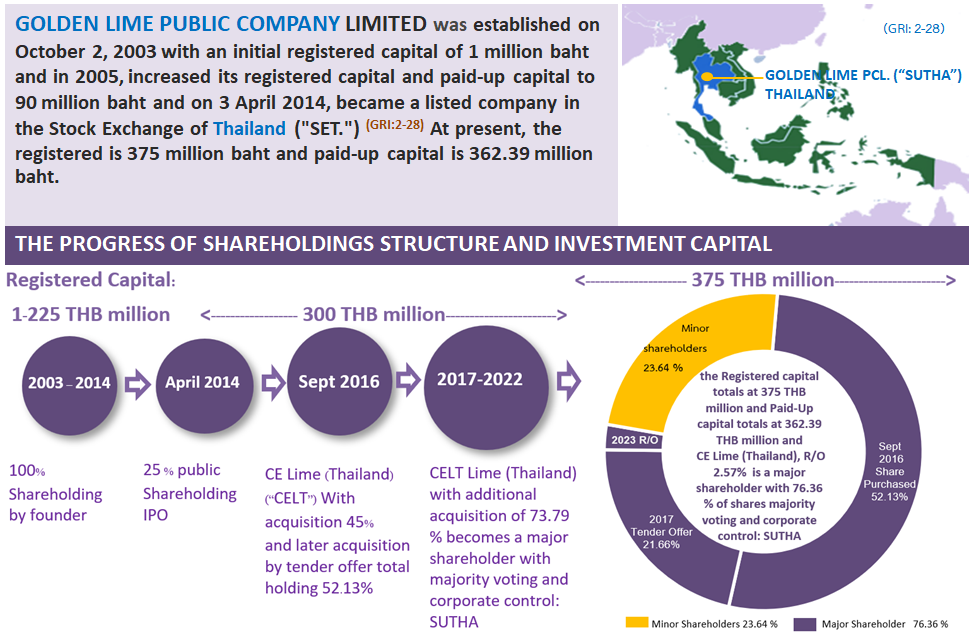
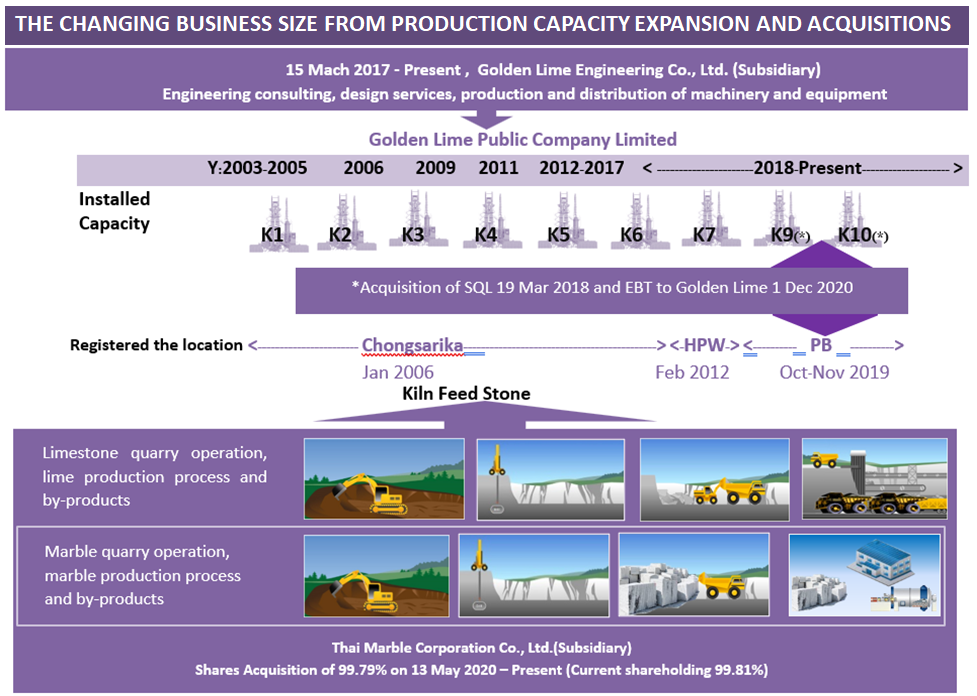
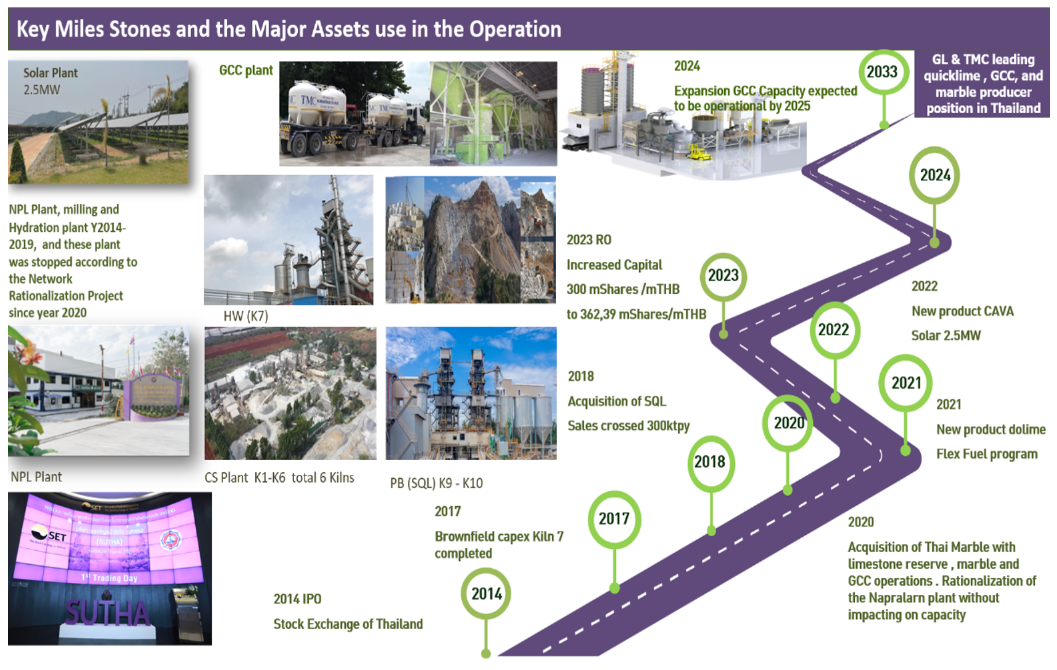
Key milestones and major asset acquisitions, mergers, capacity expansions, changes in business size | |
2003-2005 | Lime Kiln 1 (Chong Sarika plant) |
2006 | Lime Kiln 2 (Chong Sarika plant) |
2009 | Lime Kiln 3 (Chong Sarika plant) |
2011 | Lime Kiln 4 (Chong Sarika plant) |
2012-2017 | Lime Kiln 5 and Lime Kiln 6 (Chong Sarika plant) |
2014 | SUTHA began trading on the Stock Exchange of Thailand with 6 kilns. |
2017 | March 15, 2017: Golden Lime Engineering Co., Ltd. was established as a subsidiary to provide engineering services, manufacture and sell machinery and parts, and offer consulting. |
2018 | Kiln 7 was set up in Huay Pawai under the guidance and design of GLE. In 2018, SUTHA earned innovation capability certification and was acknowledged as an innovative organization among listed companies. |
2019 | Kilns 9 and 10 at the Phra Phutthabat plant were acquired through the purchase of Saraburi Quick Lime Co., Ltd., with the entire business transfer finalized on December 1, 2019 (EBT). |
2020 | On May 13, 2020, acquired 99.79% of Thai Marble Corp., Ltd., gaining control of limestone and marble mining, production, and related by-products. |
2021 | Successfully developed "Dolime" for application within the steel industry and implemented the Flex Fuel Program. |
2022 | Invested in CAVA process for special-grade lime and increased Solar Farm capacity to 2.5 MW. |
2023 | The company raised its capital by increasing ordinary shares from 300 million to 362.63 million. |
2024-2025 | The GCC Project aims to double powdered calcium carbonate production from 60,000 to 120,000 tons by upgrading infrastructure, machinery, and processes. |
Changes and developments
(key developments and business updates following the Company's change of control over the past year)
Key Organizational Changes in 2025
CEO/Managing Director Transition:
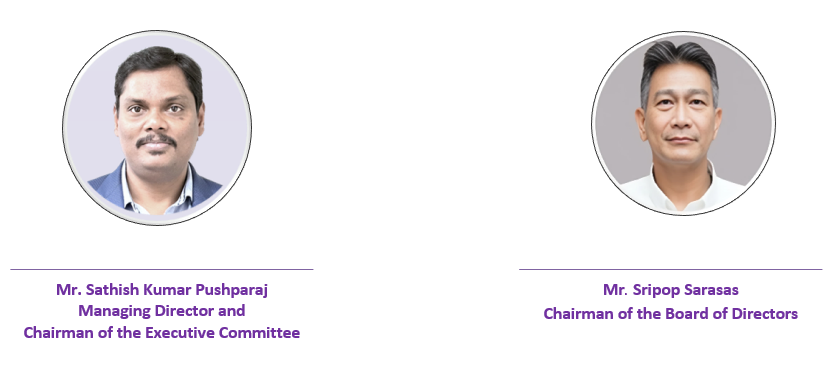
Mr. Sathish Kumar Pushparaj will assume the role of Managing Director, effective 1 July 2025, as part of the succession plan and based on the proposal of the major shareholder. His appointment was approved at the Board of Directors Meeting No. 4/2025, held on 8 August 2025. In addition to becoming Managing Director, he was also appointed as director and executive across the group of companies, including:
Mr. Sathish Kumar Pushparaj is the Managing Director of Thai Marble Corporation Limited and serves as Director, Authorized Director, and Executive Director at Golden Lime Public Company Limited, Thai Marble Corporation Limited, and Golden Lime Engineering Co., Ltd. Additionally, he holds positions on the Board committees, including Chairman of the Executive Committee and Chairman of the Risk Management and Sustainability Development Committee at Golden Lime Public Company Limited.
perations Line Realignment: After the Deputy MD left on 18 September 2025, all operational functions began reporting directly to the Managing Director.
Subsidiary Integration(Thai Marble Corp., Ltd. "TMC"): Managed and governed by Golden Lime PLC.
Deputy Managing Director, TMC: This role reports directly to the Managing Director and is tasked with supervising all aspects of marble production plant operations, as well as overseeing sales, marketing, and supply chain management.
Human Resources:Reports directly to the HR Executive of Golden Lime PLC; each company follows its own functional reporting line.
Finance & Accounting: addressed to the Accounting and Finance Executive within the Finance leadership team at Golden Lime PLC.
Mines & GCC/Marble Production: Staff report to Golden Lime PLC’s Quarry Management Manager.
Supply Chain & Customer Service: Reported directly to the Managing Director and restructured operations into a customer-focused model encompassing logistics, quality control/assurance, and production planning to enhance delivery performance and foster strong customer relationships.
Maintenance: Centralized maintenance operations for Golden Lime PLC and Thai Marble Corp., encompassing the Chong Sarika, Huai Pha Wai, Phra Phutthabat sites, as well as GCC production processes.
Significant Developments Year 2025
Economics and governance
1. Diversification and Stability: Securing Raw Materials, Driving Sales, and Enhancing Net Profit

Securing Raw Material Stability
SUTHA and its subsidiaries aim to ensure a reliable supply of resources by acquiring a limestone mining concession in Khao Khao, Saraburi Province—an essential raw material for kiln operations. Thai Marble Co., Ltd., a SUTHA subsidiary, received this concession in 2020 and renewed it for another 20 years in October 2023. In addition, the Company applied to expand the concession area in 2025 to boost limestone availability. SUTHA is also exploring agreements to purchase limestone from other authorized suppliers to better serve customer requirements and strengthen long-term economic stability.
Fuel Procurement
The Company secured high-quality fuel from reliable suppliers, including importing premium U.S. Petcoke through strategic partnerships to share logistics costs and reduce fuel price volatility, consistent with its raw material procurement policy.
Driving Sales and Maintaining Market Base
During 2024–2025, sales growth from newly developed products, including Dolime and quicklime for AAC blocks, did not meet expectations due to a prolonged slowdown in the steel and construction industries, as well as global economic challenges. While these new product lines have not expanded as anticipated, SUTHA maintains its commitment to enhancing production and distribution processes to generate future opportunities. In 2025, SUTHA implemented process improvements and scaled up operations by investing in a second briquetting machine, enabling the compression of Dolime inventory into briquettes for market distribution. This initiative is intended to bolster preparation for the expected recovery in demand.
Ground Calcium Carbonate (GCC) Production and Trump Tariff Impact
Thai Marble Co., Ltd. invested over THB 50 million in GCC production. Sales met targets in early 2025, mainly from construction material exports to the U.S., but dropped sharply in the second half after the Trump Tariff increased import duties. Higher costs reduced U.S. orders, leading to lower sales and production utilization than planned.
Industry Leadership: Aim to lead in producing and distributing lime, calcium carbonate powder, and marble products through responsible service.

Ground Calcium Carbonate (GCC) Production Project From 2024 to 2025, the Company invested over THB 50 million in building a GCC plant to support industries like construction materials, chemicals, paints, rubber, and animal feed. The project will be completed in 2025, enabling GCC product distribution via its subsidiary. This supports the company’s goal to become a leading GCC powder producer, a key business of Thai Marble Corp., Ltd. |
|
The project initiated in 2024, this investment project aimed to expand the production capacity of Ground Calcium Carbonate (GCC) from the existing 60,000 tons to a maximum capacity of 120,000 tons. The expansion involved installing additional machinery and upgrading production processes to accommodate the increased output. Construction and investment were successfully completed in 2025, enabling the company to commence production and supply GCC products at full capacity. This ensures readiness to meet the growing demand across all customer segments. | |
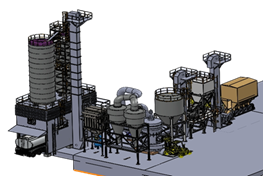
Investment Plan for Expanding Quicklime Production Capacity
In response to the current economic slowdown and an oversupply of quicklime in the domestic market, SUTHA has opted to defer its planned expansion of lump lime production capacity. The company will instead prioritize investments in machinery upgrades and process enhancements aimed at improving operational efficiency and fulfilling the diverse needs of its customers across multiple industries.
Innovation and Technology
The Company is advancing its production processes with new technologies, such as the High-Performance Mill Lime Project for the autoclaved aerated concrete (AAC) industry. This involves the use of Two Vertical Shaft Kilns (150 TPD) - a technology adapted from Carmeuse and implemented for the first time in Thailand. The goal is to produce quicklime with specific properties tailored to customer needs, while continuously improving efficiency and customer satisfaction.
Innovation and Engineering Design: EOD Lime Kiln
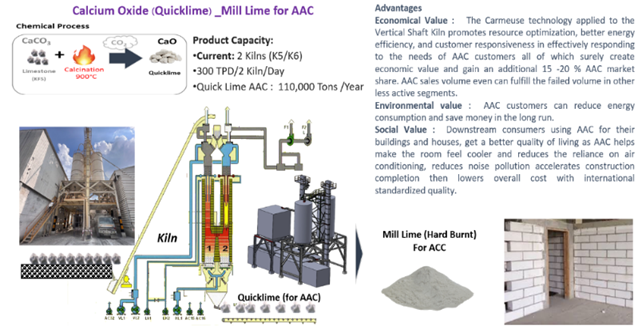
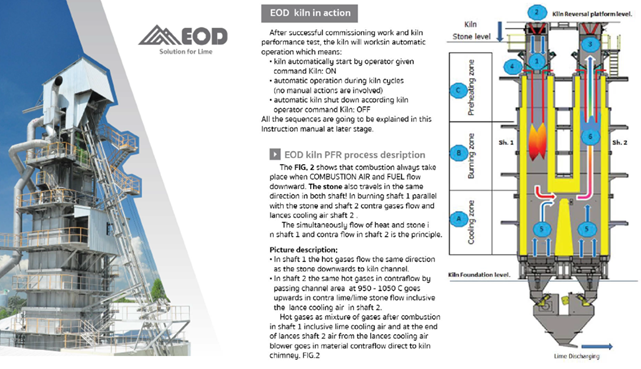
The company has developed the EOD Lime Kiln using Parallel Flow Regenerative (PFR) Technology with a production capacity of 150 TPD. The goal is to maximize resource and energy efficiency through advanced PFR technology, which features a twin-shaft vertical lime kiln. The process is divided into three main zones:
Preheating Zone: Heats limestone before calcination
Burning Zone: The combustion zone
Cooling Zone: Cools quicklime before discharge
PFR technology utilizes the principle of heat recovery by recirculating excess heat from waste gases in the burning shaft back to the preheating shaft. This approach optimizes energy use, reduces heat loss, and improves combustion efficiency.
This development aligns with the company’s innovation strategy, focusing on sustainable resource utilization and energy savings through heat recovery. It reduces fuel consumption, minimizes heat loss, and ensures consistent lime quality by maintaining uniform temperature distribution within the kiln.
Commercial Deployment: The EOD Lime Kiln technology has been successfully implemented under the Kurnia 2 project, as per the Purchase Agreement, with installation, inspection, and commissioning completed by Golden Lime Engineering Co., Ltd. (GLE).
Future Direction: Given market constraints, GLE has shifted its engineering strategy to strengthen internal processes and investments.
Key initiatives include
expanding GCC production capacity
upgrading machinery
developing visualization software for kiln controlthat integrates with existing hardware and PLC systems to manage new or modified equipment, such as
upgrading the dust removal system from a wet scrubber to a bag house filter to increase efficiency and align with automated control systems.
Integrating the mechanical and electrical engineering teams with the production department enhances the ability to improve processes and effectively meet customer needs.
In 2025, the Company plans to enhance its hydrated lime production process to better satisfy customer needs by investing in the Replace Hydrated Lime Classifier project. This initiative, which began in 2024 with a total investment of 6.6 million baht, is designed to refine the production process so that the hydrated lime meets customers' specific size and fineness requirements. The investment was made to support goals and strategies focused on customers. The primary machinery upgrade involves installing a classifier that will produce finer hydrated lime. Led by the engineering and project department, the project is scheduled to last 120 days and should be completed in 2025. |
|
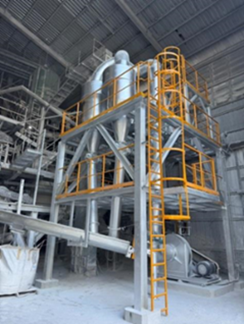
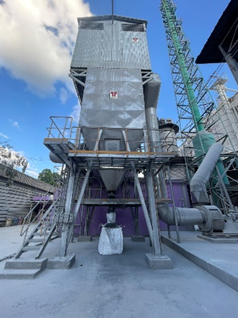
Dust Control project Objective: Upgrade the existing Wet Scrubber system to a Baghouse Filter to enhance dust filtration efficiency and significantly reduce water consumption. Project Value: THB 15 million, covering procurement and installation of all required components. Key Benefits:
|
|
This project supports the company’s sustainability objectives by improving air quality, conserving water resources, and reducing operational costs, while reinforcing compliance with environmental regulations. | |
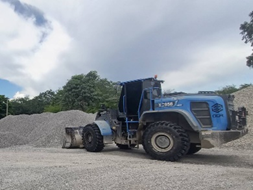
EV Front Loader Project Objective: Reduce carbon emissions and transportation costs by replacing fossil fuel-powered machinery with an Electric Front Loader (EV Front Loader). This eco-friendly solution supports the company’s sustainability goals and contributes to lowering greenhouse gas emissions. Project Value: THB 11.26 million, covering the purchase of the EV Front Loader and all associated equipment. Key Benefits:
|
|
This initiative aligns with the company’s sustainable development objectives and energy management strategy. It demonstrates a strong commitment to minimizing environmental impact while promoting long-term financial efficiency. | |
Quality Management System for Thai Marble Corp., Ltd. “TMC” (Subsidiary Company)
Sustainable Growth: Achieving long-term profitability and value for stakeholders
In 2025, the company faced a drop in revenue and financial performance due to competitive price cuts, economic challenges, geopolitical risks, and natural disasters.
SUTHA is addressing these issues by managing risks, following development plans, reducing costs, and sourcing fuel from dependable suppliers to stay competitive and profitable.
Developing Processes and Setting Standards for Sustainability
Good Corporate Governance : Establishing and integrating good corporate governance across all companies under management, featuring robust internal control systems and effective risk management processes that can efficiently handle various crises. These efforts aim to achieve sustainable business operations.
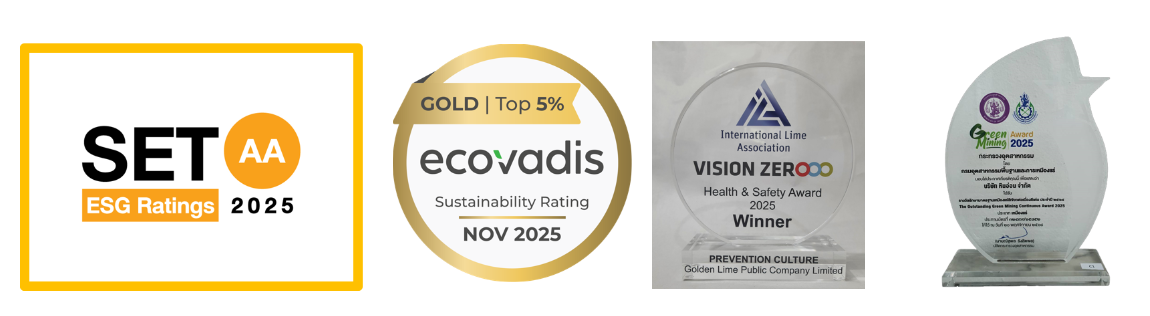
To align its business systems and processes with sustainability development, the Company has set up standards and procedures that stakeholders acknowledge, as evidenced by its sustainability assessments and rankings.
| ESG Rating Assessment Results for 2025 In 2025, the company maintained a strong ESG management level with an “AA” rating, while improving its overall operational performance average. Notably, the Environmental dimension achieved a higher average score compared to the previous year, reflecting the company’s commitment to conducting business responsibly in terms of environmental stewardship, social responsibility, and good corporate governance. These efforts underscore the company’s dedication to creating long-term sustainability. |
CGR Score Assessment Results for 2025 The company achieved the highest level of Corporate Governance Report (CGR) score for the sixth consecutive year, reflecting its strict adherence to the principles of good corporate governance. This accomplishment demonstrates the company’s commitment to continuously developing and improving processes to achieve its goals of strong governance, transparent management, and unwavering business ethics. These principles form the foundation for building trust among all stakeholders.
|
| EcoVadis Sustainability Assessment Results for 2025 GOLDEN LIME ranks in the top 3% for corporate social responsibility in cement, lime, and plaster manufacturing according to EcoVadis. The company excels in sustainable procurement (top 1%), labor & human rights (top 2%), ethics (top 2%), and environmental practices (top 10%), earning an average score of 81/100 for its commitment to sustainability and ethical business. |
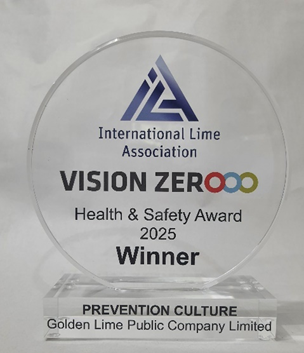
Social Dimension Safety and Health The company operates with a strong focus on safety, occupational health, and a suitable working environment for employees, customers, partners, communities, and all stakeholders. SUTHA received the International Lime Association & Vision Zero 2025 Safety Award in the category of Accident Prevention Culture, recognizing its commitment to workplace safety and the implementation of the ‘5 Layers Safety Patrol’ initiative. This award highlights SUTHA’s proactive safety culture and continuous efforts to achieve zero workplace accidents. |
|
In 2025, the company successfully maintained its target of zero lost-time accidents, reinforcing its strong safety management practices. | |
Equal Employment Opportunities
SUTHA promotes equal employment opportunities, local workforce recruitment, fairness, and adherence to human rights principles. Under its HR development programs, the company introduced improvements in employee benefits, including:
Increasing employer contributions to the provident fund
Reducing the eligibility period for benefits from 5 years of service to 1 year
Adjusting leave entitlements based on tenure, including additional annual leave days for long-serving employees
Education and Skills Development
The company encourages education and skill development to enhance employee capabilities and organizational growth. Initiatives include:
Structured training programs for employees
Setting individual KPIs for training hours to ensure compliance with development goals
Cybersecurity awareness programs for employees using internal IT systems, including knowledge assessments and automatic enrollment in training courses for those identified as at risk based on evaluation results
Stakeholders engagement
Fostering collaboration and engagement with stakeholders as a sustainability development across organizations, businesses, and society.
The so called “the Behaviors in the SPOTLIGHT” comprised of Honesty feedback, Collaboration, Ownership and Passion aims to facilitate various activities through open dialogue, active participation, and a collective sense of ownership. This approach encourages overcoming challenges and embracing accountability in work responsibilities. By harnessing Passion and leveraging knowledge, skills, experience, and expertise, individuals can enhance their contributions within their roles, ensuring that the organization delivers value to customers and stakeholders while maintaining a commitment to social and environmental responsibility.
Environmental Management : Oversee procedures aimed at minimizing environmental effects, which includes implementing strategies to address climate change and its associated risks. Focus on waste management by decreasing the volume of scrap and materials sent to landfills, as well as reducing process waste to the lowest possible level.
Biodiversity Management : Manage biodiversity and the impact of business processes on ecosystem services, promote conservation and restoration of nature.
Environment Conservation : Encourage and facilitate environmental conservation initiatives while promoting the use of the Company's products to minimize environmental impacts, support the circular economy, and optimize resource management for maximum advantage
Subsidiary Governance under Sustainability Standards
Sustainability Operations of Thai Marble Corp., Ltd. “TMC” in 2025
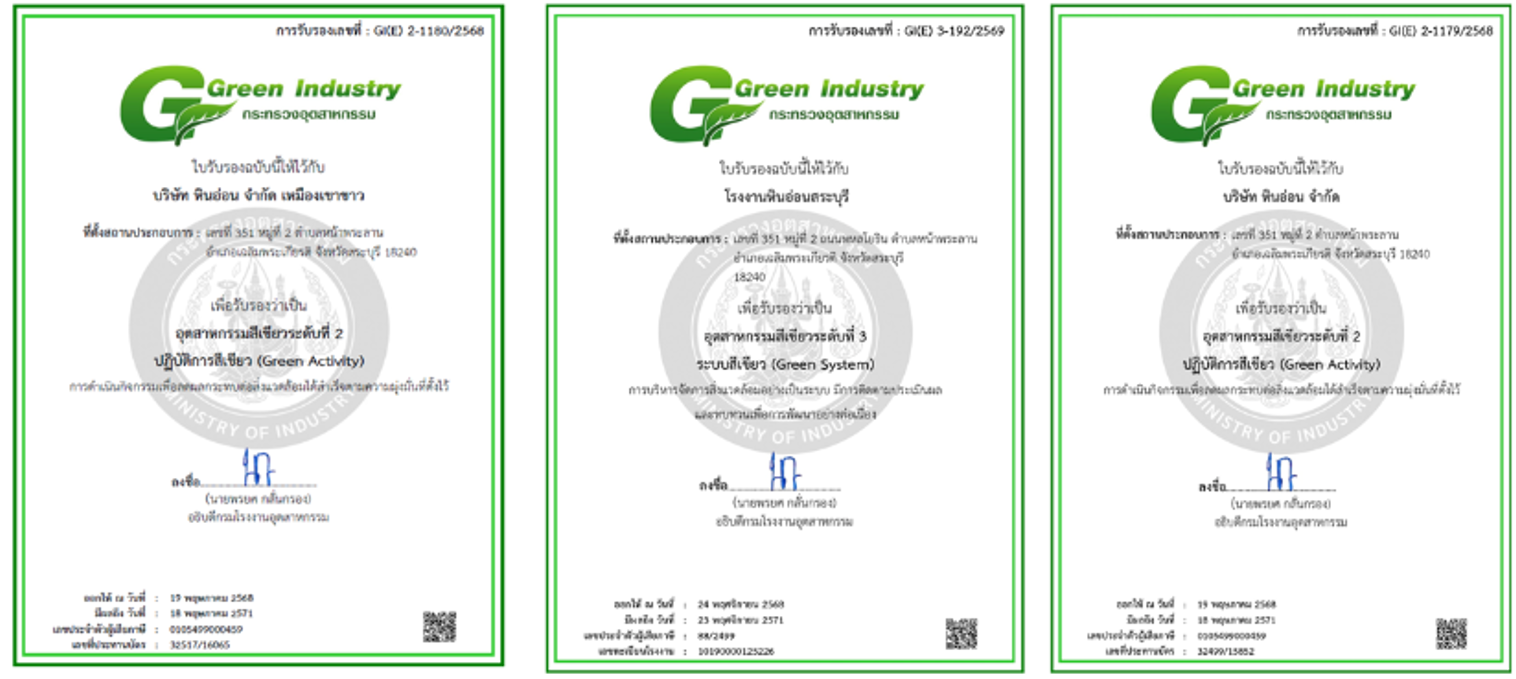
In 2025, Thai Marble Co., Ltd. operated under a sustainability development framework, focusing on managing marble production plants, limestone quarries, and marble quarries in compliance with environmental impact control standards and management guidelines set by the Department of Primary Industries and Mines and the Department of Industrial Works, Ministry of Industry.
The company achieved Green Industry Level 2-3 certification, reflecting its commitment to responsible environmental practices and continuous improvement.
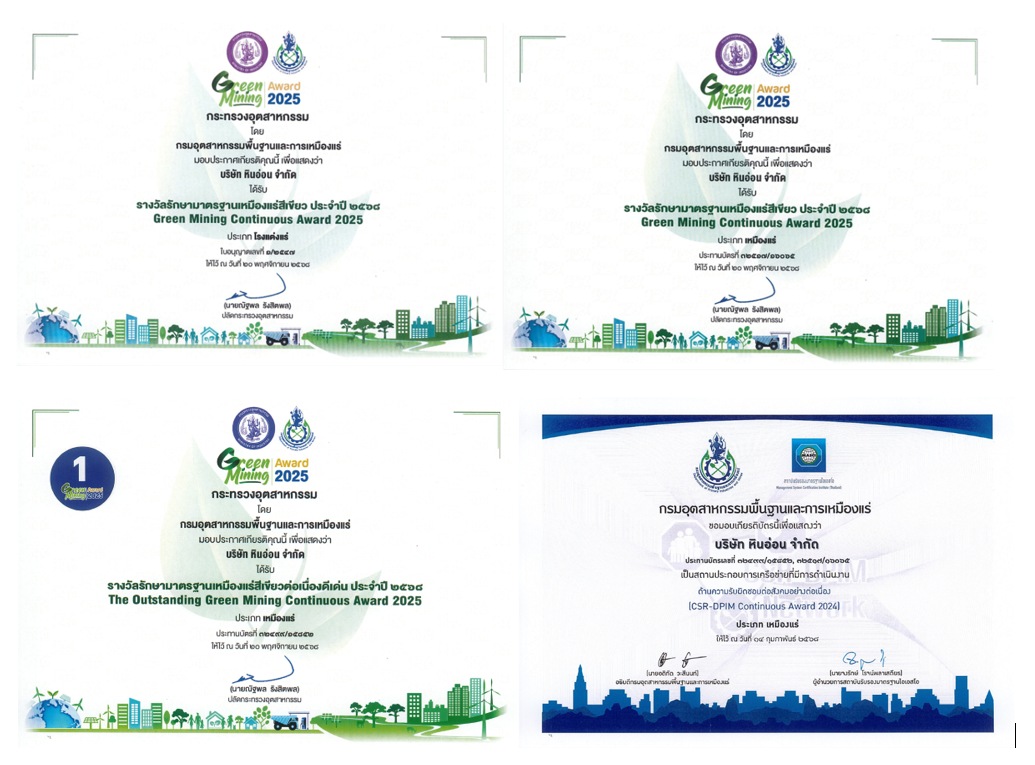
In addition, the company received the Green Mining Continuous Award 2025 from the Ministry of Industry, through the Department of Primary Industries and Mines, in recognition of maintaining green mining standards in marble and limestone mining operations. The company also earned a certificate for continuous social responsibility practices.
Furthermore, in 2025, the company was honored with the Outstanding Green Mining Continuous Award 2025, acknowledging its excellence in sustaining green mining standards in the mining sector.
These awards reaffirm the company’s commitment to conducting business responsibly toward the environment, society, and sustainable development. The company emphasizes efficient resource management, minimizing environmental impact, and ensuring safety throughout its production processes.
Material Changes & Developments
| Year | Description |
|---|---|
| 2,025 | The details as presented in the above report. Additional information on significant historical changes can be found on the Company's website via the following link: https://goldenlime.co.th/en/history/ |
Use of Proceeds from Securities Offerings
Is There Money Raised from a Securities Offering Still to Report On?
Yes
Offerings
| Type of Securities | Amount Raised Given As | Amount Raised (Million Baht) | Uses of the Money | Used as Declared? | Progress / Reasons and Measures if Not Used as Declared | ||||||||||||||||||||||||||||||||||||||||||||||||
|---|---|---|---|---|---|---|---|---|---|---|---|---|---|---|---|---|---|---|---|---|---|---|---|---|---|---|---|---|---|---|---|---|---|---|---|---|---|---|---|---|---|---|---|---|---|---|---|---|---|---|---|---|---|
| Equity Instruments | 2873 | 247.09 | 2023-02 · Objective: Loan Repayment · Period type: 2871 · Start period: 2023-02 · Spent amount type: 2873 · Start spent amount: 120.0 · Expected amount type: 2873 · Start expected amount range: 120.0 · 2024-03 · Objective: Capacity expansion (Calcium Oxide) at Huay Pa Wai, Saraburi, by building EOD Lime Kiln at Capacity 150 TPD (Kiln no.8) with the Biofuel system (Biofuel Project investment). The investment value is initially estimated at 180 million baht, partly funding by capital increase and credit facilities granted from financial institutions · Period type: 2871 · Start period: 2024-03 · Spent amount type: 2873 · Start spent amount: 0.0 · Expected amount type: 2873 · Start expected amount range: 90.0 · 2024-03 · Objective: Working capital for business operation and investment as planned. · Period type: 2871 · Start period: 2024-03 · Spent amount type: 2873 · Start spent amount: 37.09 · Expected amount type: 2873 · Start expected amount range: 37.09 | N | Note : Golden Lime Public Company Limited ("the Company") allocated the capital increase shares via RO to all existing shareholders of the Company upon the subscription and payment period during February 6-10, 2023, in total of 62,393,057 ordinary shares at 4 baht per share, total 249.57 million baht. Additional costs from fees and other related expenses were recorded as capital expenditures totaling 2.48 million baht, the net capital increase allocated hence totaled 247.09 million baht. The report of the utilization of capital increase from RO as of December 31, 2024, which has been acknowledged and approved by the Board of directors Remarks: 1) The production capacity expansion stated as objective No.2 is to be funded partly by the proceeds and supported by a loan from a financial institution. Due to external forces affecting interest rates and market conditions, the Company is to revisit the No.2 investment project plan to assess for the safest investment that offers the highest expected return. However, the Company may consider adjusting as appropriate and necessary while the proceeds have not yet been used as outlined in the table above. The Company may utilize Treasury Management function in managing a company's daily cash flows including short-term debt repayment or payment for raw materials or fuel to enable efficient financial management to reduce financing costs from rising interest rates. The Company is compliant with all disclosure requirements to report the utilization of capital increase from RO to the Stock Exchange, ended June 30, 2024, within July 2024, and ended December 31, 2024, within January 2025. Objectives not yet achieved: According to the resolution of the Board of Directors meeting 4/2024 on August 9, 2024, it was agreed to propose an agenda to the 2025 Annual General Meeting to adjust/add objectives for the use of funds raised from the capital increase to align with the current investment plan. The Annual General Meeting of Shareholders held on April 4, 2025, the amendment to the allocation of capital increase funds was approved in order to align with the company's current investment plan and financial strategy. The company subsequently submitted a report detailing the utilization of these funds as of June 30, 2025; this report was presented for approval by the Board of Directors and disclosed to the Stock Exchange of Thailand on July 16, 2025. The specific allocation of the capital increase funds, as outlined in accordance with the approved purposes, is detailed below:
The Company has utilized the increased capital in accordance with the capital management plan approved by the Board of Directors. Between July and December, the Company disbursed the funds as planned and submitted a report on the use of the increased capital to the Stock Exchange of Thailand, completing the process as of December 31, 2025. The report was submitted to the Stock Exchange of Thailand on January 29, 2026, as follows:
| ||||||||||||||||||||||||||||||||||||||||||||||||
Law Governing the Debt Securities
-None-
Commitments Made in the Registration Statement
Are There Commitments or Conditions from an Offering or Listing?
No
Group Operating-Structure Policy
Description
The Company does not have a pyramid or cross-shareholding policy in the corporate group which means none of stock pyramids or cross-ownership structures like shareholding in such a way that two or more companies hold each other's shares to maintain a complete lock on the control of a company or to create a particular structure of a group of companies by means of Cross Holding or Pyramid Holding as well as none of a chain of shareholding structure.
The shareholding structure of the Company is held by Thai shareholders or a juristic person registered in Thailand holding more than 50 percent stake in the business. Presently, the major shareholder of the Company is CE Lime (Thailand) Company Limited (“CELT”) holding 76.36% and CELT as a juristic person registered in Thailand with its main shareholders who are persons of Thai nationality holding more than 50% of shareholding ratio. Other juristic persons who are not registered in Thailand hence hold less than 50 percent of shares.
Companies Where the Company Holds ≥10%
Companies (≥10% Holding)
| Company Name | Address | Province | Zip Code | Telephone | Fax | Business Type | Security Type | Shares | Paid-up Shares |
|---|---|---|---|---|---|---|---|---|---|
| Golden Lime Engineering Company Limited (“GLE”) | 89, Cosmo Office Park, 6th Floor, Unit H, Popular Road,Banmai Sub-district, Pakkret District | Nonthaburi | 11120 | 020177461 | 020177460 | Engineering Consulting Services and drawing designs Production and distribution of the Machinery and equipment | Common shares | 1,999,998 | 2,000,000 |
| Golden Lime Engineering Company Limited (“GLE”) | 89, Cosmo Office Park, 6th Floor, Unit H, Popular Road,Banmai Sub-district, Pakkret District | Nonthaburi | 11120 | 020177461 | 020177460 | Engineering Consulting Services and drawing designs Production and distribution of the Machinery and equipment | Common shares | 1,999,998 | 2,000,000 |
| Thai Marble Corporation Limited (“TMC”) | 274, A2-2cd Building, Soi Soonvijai 4 Bangkapi, Huay Kwang, Bangkok | Bangkok | 10310 | 0-23197972 | 0-2319-6640 | The main business can be divided as follows: 1. Production and Distribution of Marble Products and by-Products from Marble Production. 2. Production and Distribution of Lime Products and by-Products from Limestone Quarry and Processing. 3. Sublease of Concessions and Services | Common shares | 3,305,897 | 3,312,000 |
| Thai Marble Corporation Limited (“TMC”) | 274, A2-2cd Building, Soi Soonvijai 4 Bangkapi, Huay Kwang, Bangkok | Bangkok | 10310 | 0-23197972 | 0-2319-6640 | The main business can be divided as follows: 1. Production and Distribution of Marble Products and by-Products from Marble Production. 2. Production and Distribution of Lime Products and by-Products from Limestone Quarry and Processing. 3. Sublease of Concessions and Services | Common shares | 3,305,897 | 3,312,000 |
Income Structure
Introduction
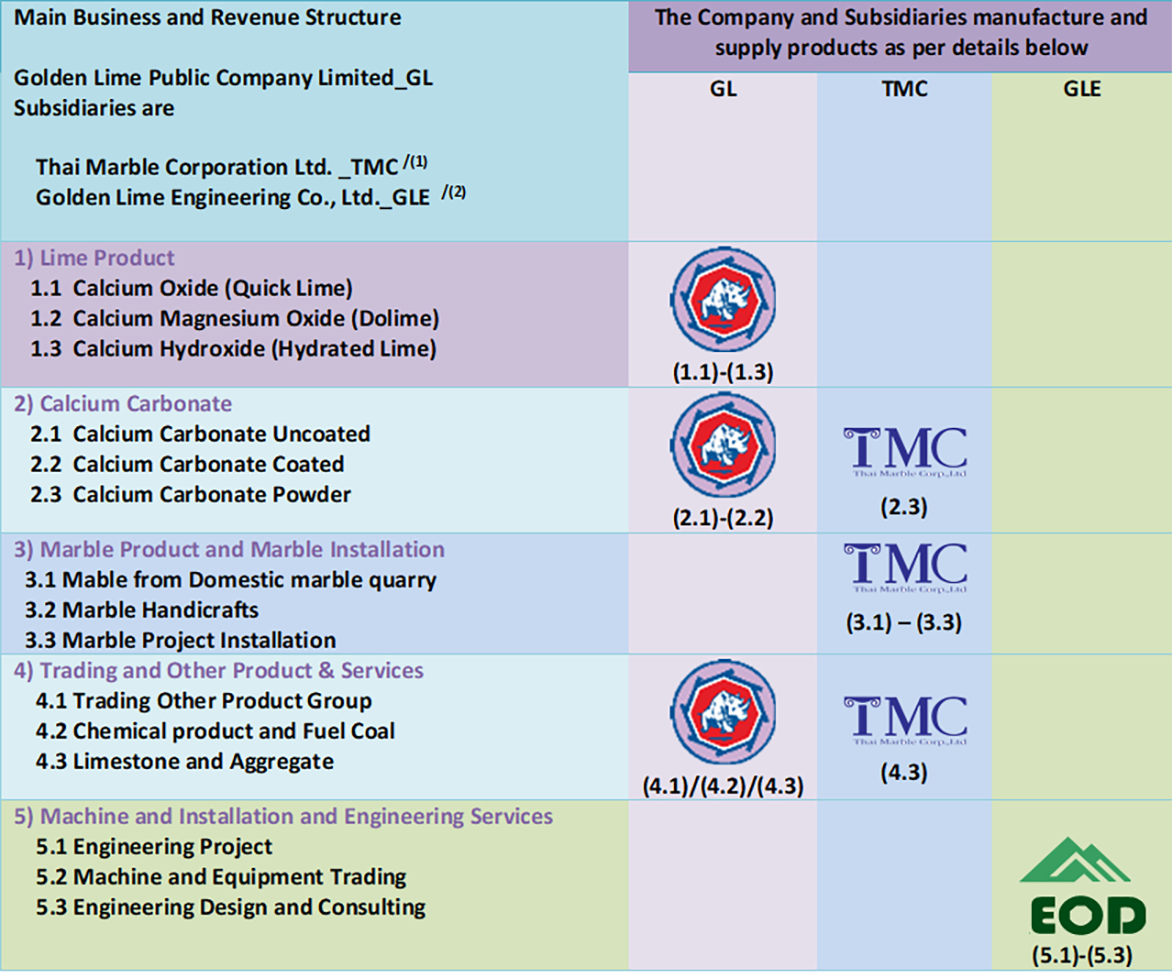
Golden Lime Public Company Limited and Subsidiaries’ diagram of revenue structures by product line or business group; (GRI: 417-1)
Note:
Golden Lime Engineering Co.,Ltd was registered on 15 March 2017 with THB 20 Million registered capital and 100% shares are held by Golden Lime Public Company Limited.
Thai Marble Corporation Ltd. (TMC) is a subsidiary company acquired bythe purchase of ordinary shares from the Ministry of Finance and CPB Equity Co., Ltd. on 13 May 2020. Presently, Golden Lime Public Company Limited is holding 99.8 % shares of Thai Marble Corporation Ltd. (TMC).
On 13 May 2020, the Company entered to the acquisition transaction of Thai Marble Corporation Limited (“TMC”) which operates the production and distribution of marble products and by-products from marble production including owned concessions limestone and marble quarries as well as sublease a quarry to others. The acquisition transaction was of 3,305,126 paid-up ordinary shares of TMC, the Company proceeded the payment to the seller - the Ministry of Finance and CPB Equity Co., Ltd. who are the previous shareholders and not be as the connected persons with the Company total amount of 605 million Baht
.
Product / Service Income
| Category | Description | This Year | This Year % | Last Year | Last Year % | 2 Years Ago | 2 Years Ago % |
|---|---|---|---|---|---|---|---|
| Total revenue from operations | Total revenue from operations | 1,321,783.29 | 100 | 1,363,586.51 | 100 | 1,444,681.6 | 100 |
| 1) Lime Product | 1,068,781.63 | 80.86 | 1,101,811.24 | 80.8 | 1,181,417.32 | 81.78 | |
| 2) Calcium Carbonate | 85,556.82 | 6.47 | 92,435.66 | 6.78 | 93,419.18 | 6.47 | |
| 3) Marble Product and Marble Installation | 102,551.13 | 7.76 | 121,817.17 | 8.93 | 123,639.76 | 8.56 | |
| 4) Trading and Services | 40,380.43 | 3.05 | 35,181.75 | 2.58 | 28,926.21 | 2 | |
| 5.Machinery and Engineering | 1,077.64 | 0.08 | 3,469.02 | 0.25 | 1,040.45 | 0.07 | |
| Gain from Currency Exchange | -784.02 | -0.06 | 519.61 | 0.04 | 707.69 | 0.05 | |
| Other Revenue | 24,219.66 | 1.83 | 8,352.06 | 0.61 | 15,530.99 | 1.08 | |
| Other | Others | 0 | 0 | 0 | 0 | 0 | 0 |
Export Income
| Category | Description | This Year | This Year % | Last Year | Last Year % | 2 Years Ago | 2 Years Ago % |
|---|---|---|---|---|---|---|---|
| Total revenue | Total revenue | 1,321,783.29 | 100 | 1,363,586.51 | 100 | 1,444,681.6 | 100 |
| Domestic | Domestic | 1,245,050.24 | 94.19 | 1,282,531.76 | 94 | 1,345,279.11 | 93 |
| International | International | 54,375.05 | 4.11 | 72,183.08 | 5.29 | 83,163.81 | 5.76 |
| Indonesia | Indonesia | 0 | 0 | 19,308.67 | 27 | 965.45 | 1 |
| Laos | Laos | 1,821.01 | 3.35 | 17,775.36 | 25 | 27,981.1 | 34 |
| Bangladesh | Bangladesh | 17,179.08 | 31.59 | 3,690.84 | 5 | 12,250.44 | 15 |
| Taiwan | Taiwan | 15,721.28 | 28.91 | 6,443.41 | 9 | 5,485.47 | 7 |
| Cambodia | Cambodia | 1,189.55 | 2.19 | 3,981.42 | 6 | 3,879.4 | 5 |
| Philippines | Philippines | 2,965.74 | 5.45 | 1,271.55 | 2 | 628.85 | 1 |
| New Zealand | New Zealand | 0 | 0 | 0 | 0 | 2,669.09 | 3 |
| Hong Kong | Hong Kong | 2,352.95 | 4.33 | 1,597.13 | 2 | 725.64 | 1 |
| Singapore | Singapore | 9,243.9 | 17 | 3,925.13 | 5 | 1,118.26 | 1 |
| Myanmar | Myanmar | 0 | 0 | 342 | 0 | 670.56 | 1 |
| Vietnam | Vietnam | 0 | 0 | 80.19 | 0 | 0 | 0 |
| Australia | Australia | 650.48 | 1.2 | 914.36 | 1 | 26,554.54 | 32 |
| South Korea | South Korea | 3,251.06 | 5.98 | 5,744.22 | 8 | 40.54 | 0 |
| Other countries | Others | 0 | 0 | 7,108.8 | 9.85 | 194.47 | 0.23 |
Other Income
| Operating Other Income | Non-Operating Other Income | Share of Profit |
|---|---|---|
| 1710 · As of year: 24219.66 · Description: Total other income · As of yesteryear: 8871.67 · As of year before yesteryear: 16238.68 · 1711 · As of year: 24219.66 · Description: Other income from operations · As of yesteryear: 8871.67 · As of year before yesteryear: 16238.68 | 1712 · As of year: 0.0 · Description: Other income not from operations · As of yesteryear: 519.61 · As of year before yesteryear: 707.69 · -784.02 · Description: Gain from Currency Exchange · As of yesteryear: 8352.06 · As of year before yesteryear: 15530.99 | 1713 · As of year: 0.0 · Description: Share of profit · As of yesteryear: 0.0 · As of year before yesteryear: 0.0 |
Product / Service Characteristics
Introduction
Golden Lime Public Company Limited engages in the production and distribution of products, with its core business focusing on the manufacturing and sale of lime products. The production process involves calcining limestone at high temperatures. The company employs advanced technology and innovation in its operations, specifically utilizing the Parallel Flow Regenerative (PFR) Kiln Technology.
The company has adapted and enhanced this technology through engineering development, starting with the construction and implementation of the 7th kiln, which is a PFR-type kiln under the trademark EOD, with a production capacity of 150 TPD. The primary objective is to maximize resource and energy efficiency by leveraging PFR technology. This vertical twin-shaft kiln divides the calcination process into three main zones:
Preheating Zone: Limestone is heated before the main chemical reaction begins.
Burning Zone (Calcining Zone): This is the main combustion area
Cooling Zone: The quicklime produced is cooled by a flow of cool air before it is discharged from the kiln.
PFR technology optimizes energy use by preheating incoming raw material with waste heat(waste gas), from the burning shaft back to the preheating shaft. This approach optimizes energy utilization, minimizes heat loss, and enhances combustion efficiency. The development aligns with the company’s strategy of fostering innovation for society, emphasizing optimal resource utilization, reducing energy and fuel consumption, and ensuring consistent lime quality through precise heat distribution enabled by the kiln’s internal circulation system.
Business Type
3114
Business Groups
| Business Group | Description | ||||||||||||||||||||||||||||||
|---|---|---|---|---|---|---|---|---|---|---|---|---|---|---|---|---|---|---|---|---|---|---|---|---|---|---|---|---|---|---|---|
| 1. Lime: Calcium Oxide (CaO), Calcium Hydroxide (Ca(OH)2) or Hydrated Lime, Calcium Magnesium Oxide (CaO MgO)/ Dolime. | Calcium Oxide (CaO) or Hot Lime or Quicklime Calcium Oxide is obtained by burning limestone, a sedimentary rock that consists mostly of calcium carbonate (CaCO3), to a high temperature when carbon dioxide (CO2) gas is released. This burning process is called calcination. Our lime production burns limestone at 900 degrees Celsius for 18 hours in a closed system, obtaining 1.5 to 4-inch white lumps consisting of 85% or more CaO and some magnesium oxide (MgO) and ferric oxide (Fe2O3). Being alkaline (pH 12.2), they react with water, releasing a large amount of heat. At the end of the reaction, only a few small cores are left. The composition of calcined limestone, such as available CaO, MgO, Fe2O3, SiO2, moisture content, and the remaining number of small cores after reaction with water, reactivity, and particle size – vary depending on raw material, burning fuel, and burning procedure and technique used. We deliver lime in the following sizes: medium-sized (1.5-4 inches), small-sized (0.1-10.1 millimeters), and finely-ground (100-170 mesh). The small-sized and finely-ground lime products are obtained from grinding medium-sized lime particles to the desired size. All products are either put into packages or transferred directly to transport vehicles that deliver to customers, branded as Rhinoceros. Calcium Hydroxide (Ca(OH)2) or Hydrated Lime Calcium hydroxide or hydrated lime are products of a chemical reaction between ground CaO and water. They are produced in a mixture tank, ground into powder (170-230 mesh), then put into packages or transferred to bulk trucks, and delivered to customers branded as Rhinoceros. The composition and properties of the product, such as available Ca(OH)2, MgO, Fe2O3, SiO2, moisture content, and particle size, vary depending on the lime raw material, reaction with water, and production process.
GCC for AAC Customers (Calcium Oxide, CaO) or “Milled Lime (Hard Burnt)” Milled Lime (Hard Burnt) is a product developed as part of the company's business and new product development initiatives through investment projects. This high-performance milled lime project utilizes advanced production technology, and the company has secured an agreement to acquire machinery and equipment from the Carmeuse Group, an indirect shareholder, while ensuring the confidentiality of know-how and copyright. The advanced production method enables the creation of goods with specialized features tailored for lightweight brick manufacturers requiring specific properties. Each client may have unique demands regarding size specifications or chemical reaction characteristics. Consequently, the product development team, along with related departments, establishes a process for formulating products suitable for both manufacturing and support functions. To guarantee that every customer receives a product that meets their expectations, careful planning, production management, product selection, and property determination are essential. Calcium Magnesium Oxide (CaO MgO) /Dolomitic lime /Burnt Dolomite or /Dolime. Calcium Magnesium Oxide or Dolime is a product based on Dolomite stone, which is similar to Limestone or Dolomitic Limestone, but contains a fix ratio of Mg and Ca in the form of CaMg (CO3)2, has a dense structure, non-crystalline and is available various colors mostly in white and grey. Dolime is calcined at temperatures somewhat lower than limestone. During the calcination Carbon Dioxide (CO2) gas is released and first MgO and later CaO are formed. Dolime contains MgO minimum 32% and up to 38%, and CaO minimum 55% up to 62%. Dolime finds its use in the steel industry, acting as a flux agent alongside quicklime. The CaO content of the Dolime will act similarly to quicklime, but the MgO part’s use to saturate the EAF bath with Magnesium, so that the dissolution of the Mg from the refractory wall of the EAF is minimized, resulting in a greatly prolonged ( 5x up to 10x ) refractory lifetime, reduced downtime, and overall very significant operational cost savings for the steel plant. We deliver Dolime in Lumps at medium-sized 10-65 mm and briquettes in uniform 40mm sizing, either in jumbo bags weight customized to client requirements in bulk.
Lime product including its manufacturing process from SUTHA branded as ‘Rhinoceros’ is well certified by various standards as follows; (GRI: 417-1)
The product line provides various types of quality lime to meet customer needs.
| ||||||||||||||||||||||||||||||
| 2) Calcium Carbonate (CaCO3) | Calcium Carbonate (CaCO3) Calcium Carbonate produced by grinding Calcite (sand size) into powder. Calcite is also the most stable among the rock-forming minerals with CaCO3 structure. It is glassy luster, transparent to translucent, white or colorless. The Company produces two types of calcium carbonate ; coated and uncoated form, approximately 1.5 to 4.0 microns. The uncoated calcium carbonate is processed by grinding calcite (sand size) and screening the specific size, then packing for sale. For the coated calcium carbonate, it is processed by grinding calcite (sand size) and coating with stearic acid, then packing for sale. Calcium carbonate can be used in various industries such as a filler and extender in paint, rubber, plastic, PVC, paper industries, or used as an ingredient in toothpaste, detergents, drugs, unshielded telephone cable, insulated wire, pen, eraser, gloves, glasses among others. It is distributed domestically and internationally under the registered Rhinoceros trademark. Calcium Carbonate Powder (GCC) Calcium carbonate powder is a product from the marble quarry operation and it is a by-product from the marble slab production process that has been grounded by a special process from the factory and filtered into powder until achieving the desired size. Calcium Carbonate Powder produced by TMC (subsidiary) is the rock-forming minerals with CaCO3 structure. It is produced by the marble fragments with different mineral characteristics from Calcite used to produce coated and un-coated Calcium Carbonate power in purity, whiteness and moisture. Calcium carbonate powder is a product from the marble quarry operation and it is a by-product from the marble slab production process that has been grounded by a special process from the factory and filtered into powder until achieving the desired size. Customers using Calcium Carbonate powder are from various industries, therefore, there is no competition for this product market between the Company and subsidiary.
Calcium Carbonate products including its manufacturing process from SUTHA is well certified by various standards as follows (GRI: 417-1) ;
The product from Calcium Carbonate provides various types of quality lime to meet customer needs.
| ||||||||||||||||||||||||||||||
| 3) Marble Products, By-Products from Marble Production, Handicraft and Installation Services (See product detail at website : www.thaimarble.co.th) | (See product detail at website : http://thaimarble.co.th) Prefabricated marbles Prefabricated marbles are the products derived from the marble quarry operation of TMC or imported from aboard that has been customized until achieving either standardized or desired size categorized as follows; • Local Marble TMC's domestic marble slab business is selling marble slabs with a wide range of patterns, such as grey, grey-red, black and travertine. Most of the marble slabs are made from cutting marble blocks from the quarries in mining lease certificate that TMC was granted in order to produce marble bars. The white-gray marble red-stripes pattern is the result of Concession Certificate No. 32499/15852 (Khao Ngob), black marble is the result of Concession Certificate No. 32517/16065 (Khao Kao), and pink marble is the result of Concession Certificate No. 24869/14158 (Khao Thap Kwang). In addition, TMC procured other marble blocks for processing into slabs. The main distribution channels for TMC's domestic marble are from sales offices in Bangkok and Saraburi, as well as the sale of marble slabs to the project and the contractor of TMC, with details and product samples in the following table • Import marble TMC's international marble sales business is selling a wide range of marble slabs, such as white carara, creammafel, emperado, etc. The white tones are ordered from Italy and Greece with the grey and beige tones are ordered from Turkey and Spain. Black granite ones are ordered from China and India, with details and product samples shown in the following table • Projects The project business includes installation services and project services that use marble and decorative stone products. TMC offers design, provides consultation, drawings, and installation of marble from experienced and specialized experts in both marble slabs and marble handicrafts as well as after sales service and recommendations for inquiry such as buildings, houses, government buildings Including well-known temples such as Makut Kasattriyaram Temple, Ratchaworawihan Wat Thep Sirin Thrawat, and Ban Pun Temple, etc. The source of the projects is mainly from the bidding, in which TMC has planned, designed and presented the marble-based projects in both the government agencies and private sectors, with examples of the projects shown in the table below. • Other stones, Handicraft Revenue from other stone sales including stone flakes, river stones, marble, stone wings, glass fragments, fragments and handicraft stones etc. Marble handicraft products is a product of marble blocks by using a craft process or a hydro jet stone cutter into a craft piece of furniture used to decorate offices and building in various forms. Furthermore, the company also supports government policies for the production of OTOP products in Saraburi, such as dining table sets, reception sets, altar tables, vases, clocks, and name tags for placing on the table, carving work, etc. The main distribution channels for handicrafts come from the sales of various projects and contractors then TMC procuring marble raw materials and bringing the local craftsmen to lathe and carve in order to promote careers and create income for the local community.
| ||||||||||||||||||||||||||||||
| 4) Trading products | The Company has imported some products for both domestic and foreign trading. The trading products consists of the main products such as lime and Calcium Carbonate, other products and petcoke trading (same as the Company uses) to domestic customers including trading to the subsidiary in case customer’s demand is greater than its production capacity. Products and by-products from the lime quarry production that are distributed by TMC are as follows: • High-Calcium Limestone | The main material used for Calcium Oxide and Calcium Hydroxide production or generally called lime products. Limestone, a sedimentary rock that consists mostly of calcium carbonate (CaCO3) consisting of more than 95% of CaCO3 including other compositions such as MgO and SiO2. The produced KFS will be in a small size 30-65 mm. (“KFS Small”) and in bigger size 65-115 mm. (KFS Large”). The production capacity of KFS depends on the demand for lime production which is not less than 80% of the demand for lime production of Golden Lime PLC – the monopoly buyer with TMC according to the KFS purchase agreement signed by both parties and the purchase price based on the Arm’s Length Basic. • Ready-Mixed Stone | By-products from the lime production come in small sizes between 15-25 mm. used for ready-mixed concrete production for construction. • ROM Aggregate | By-products from the High-Calcium Limestone sorting. ROM Aggregate is the limestone with impurities in mixed-sizes between 0-1,000 mm. that are unsuitable for lime production but can be used to produce stone for construction mostly to crush and mix with concrete, road construction and general construction. • Stone Chips | The crushed limestone is a by-product from the mill plant or the limestone crushing process in mixed-sizes between 0-25 mm. It is unsuitable for lime production due to containing impurities and has a minimal size. This kind of stone is mostly used as the road foundation, road compaction base, road levelling, landfilling, or brick block production. The stone chips divide into various grades depends on the suitability of use. When it is compacted can make the surface to be stronger and more solid than laterite soil. • Stone Dust | The coarse crushed stone, a by-product from the mill plant or from the limestone crushing process with a size of dust to coarse between 0 - 3 mm. used in general construction, paving bricks, pavement bricks, interlocking bricks, multipurpose bricks, to make pavement for sports fields, garden decoration, sidewalks, slurry seal, asphalt concrete mixture and for agriculture, it can be used to adjust the pH of the soil.
| ||||||||||||||||||||||||||||||
| 5) Sales and installation of machinery and equipment | The Sales and installation of machinery and equipment related to the lime production consist of EOD kiln installation, lime and limestone conveyor mechanism and fuel-burning system, including consultancy service on procurement, installation and maintenance of machines and equipment for lime production. The Company has set up a subsidiary company named Golden Lime Engineering Company Limited (“GLE”) with a registered capital of 20,000,000 baht, in which the Company holds 99.99% of the shares to engage in engineering business, designing, manufacturing and distributing machinery, equipment, spare parts including installing machinery and equipment for new projects in the future.
|
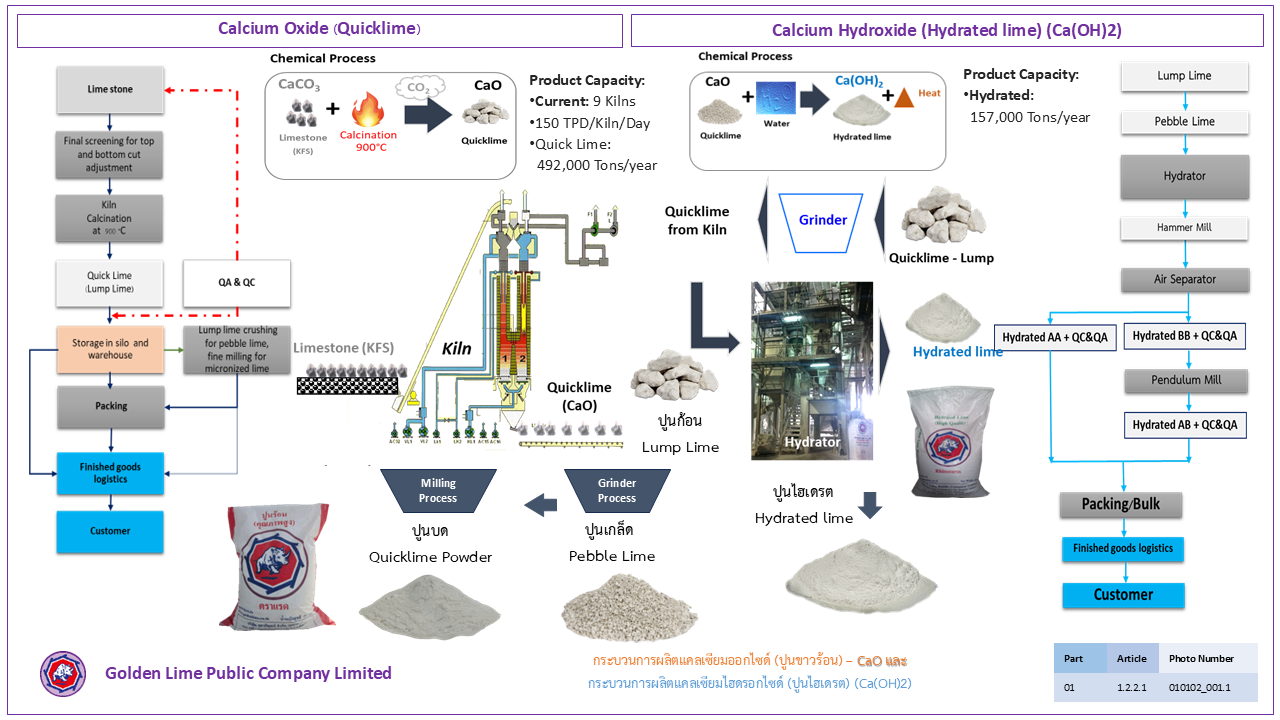
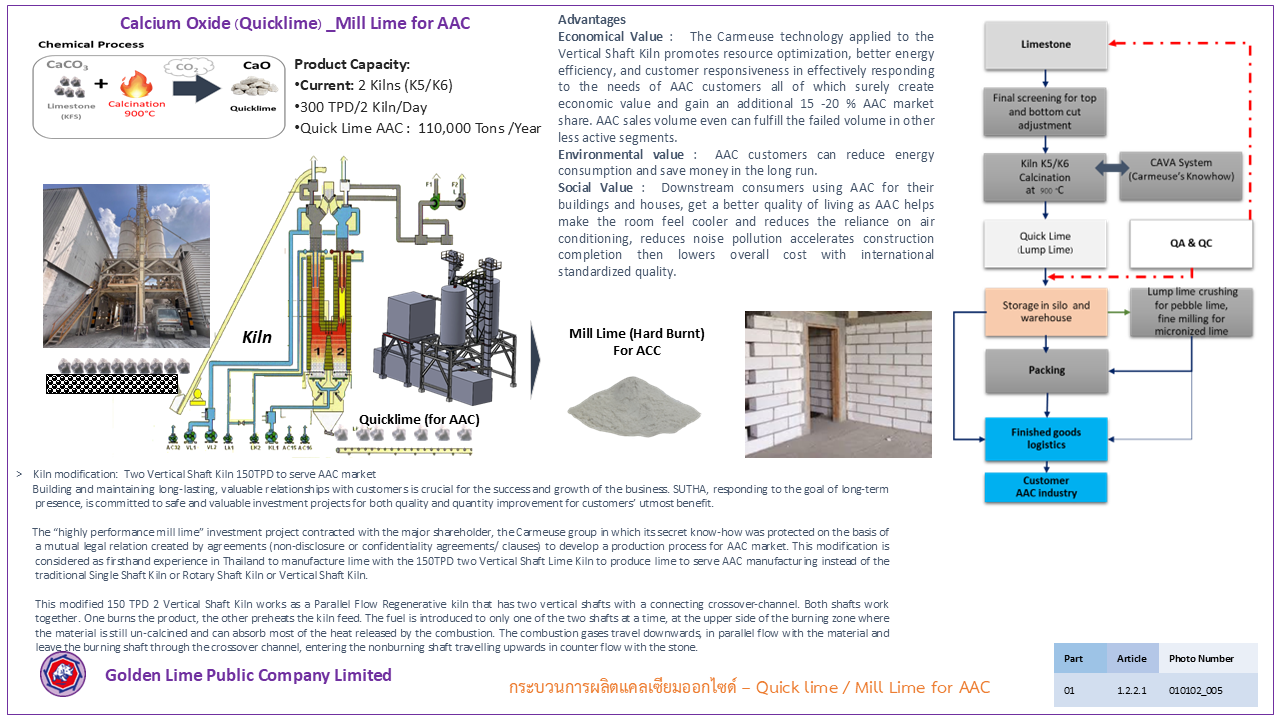
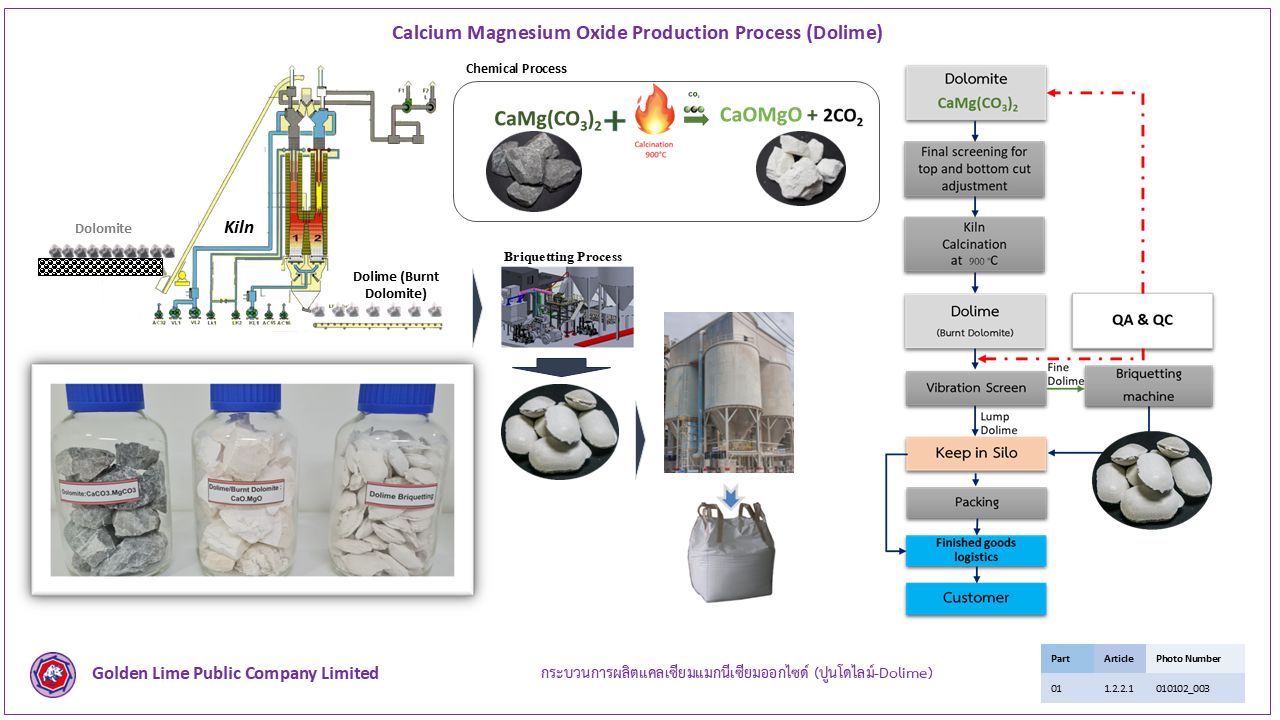


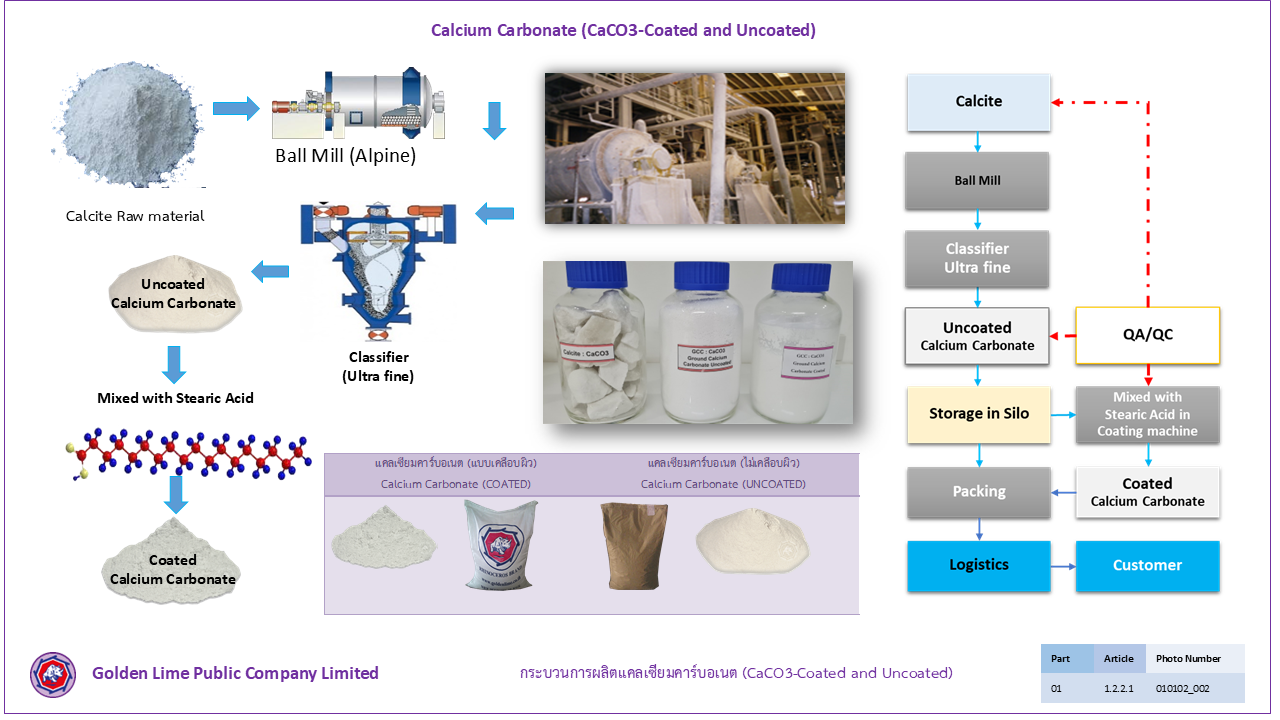
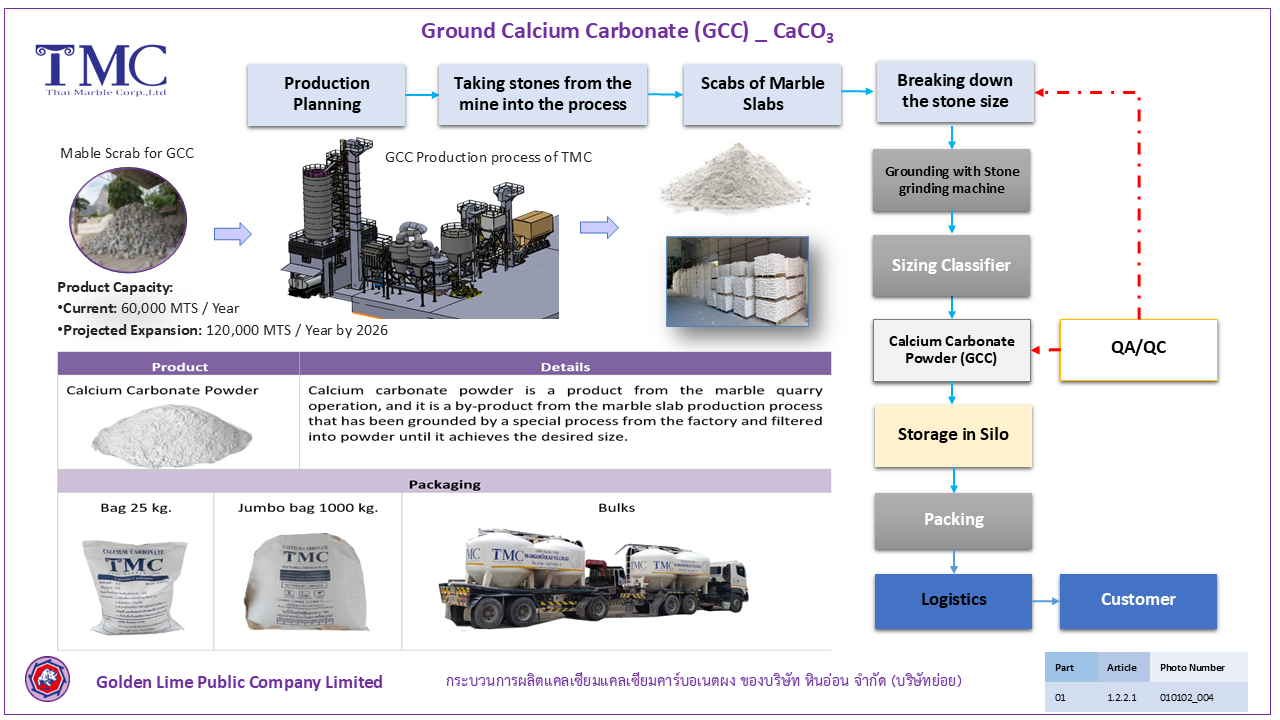


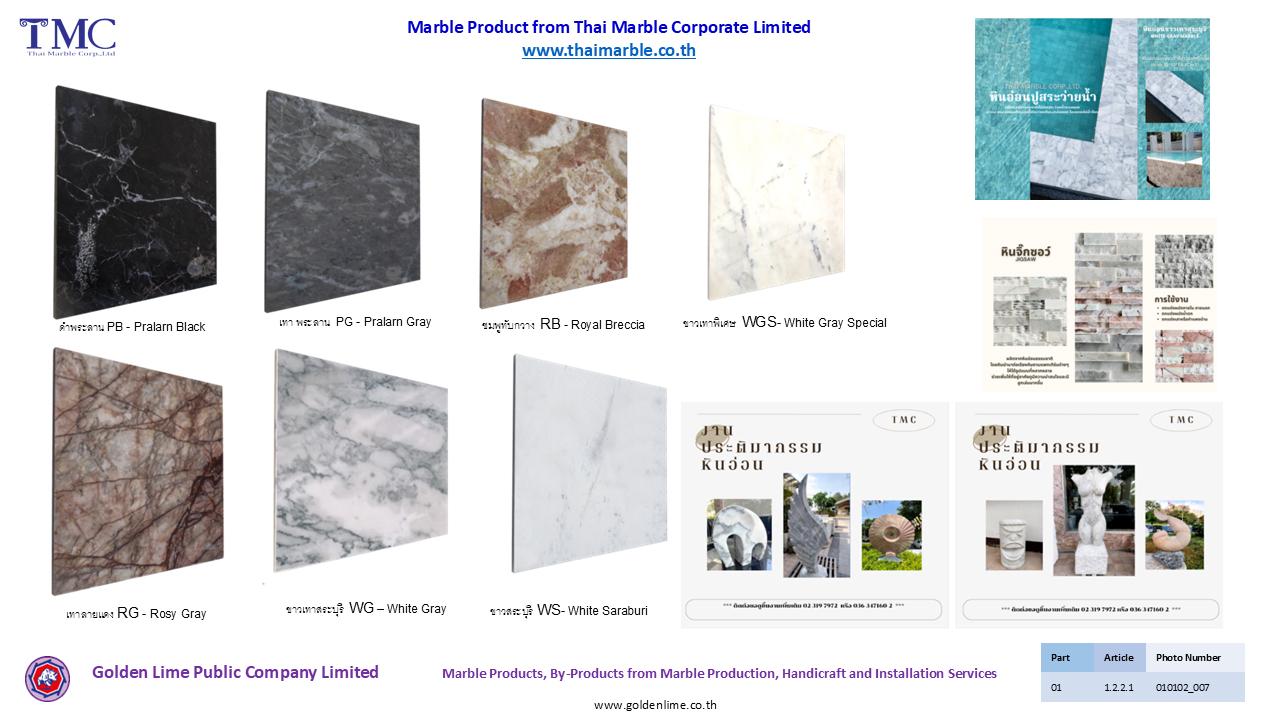
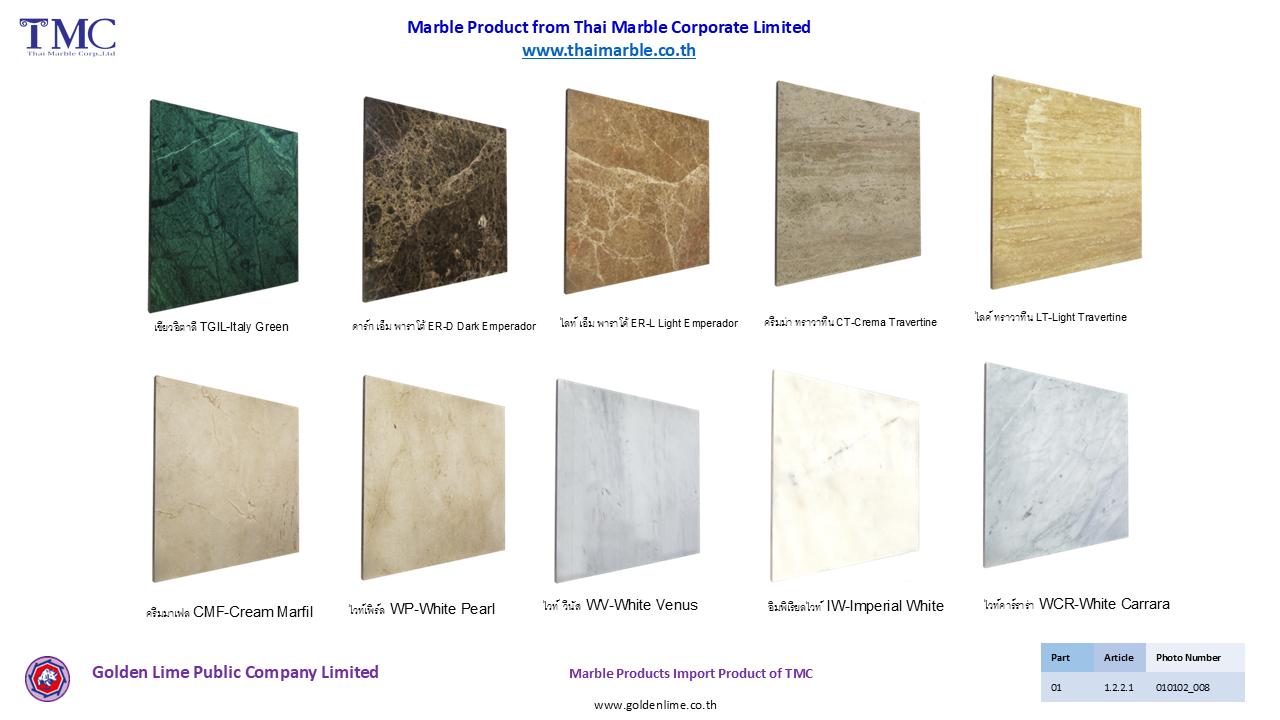
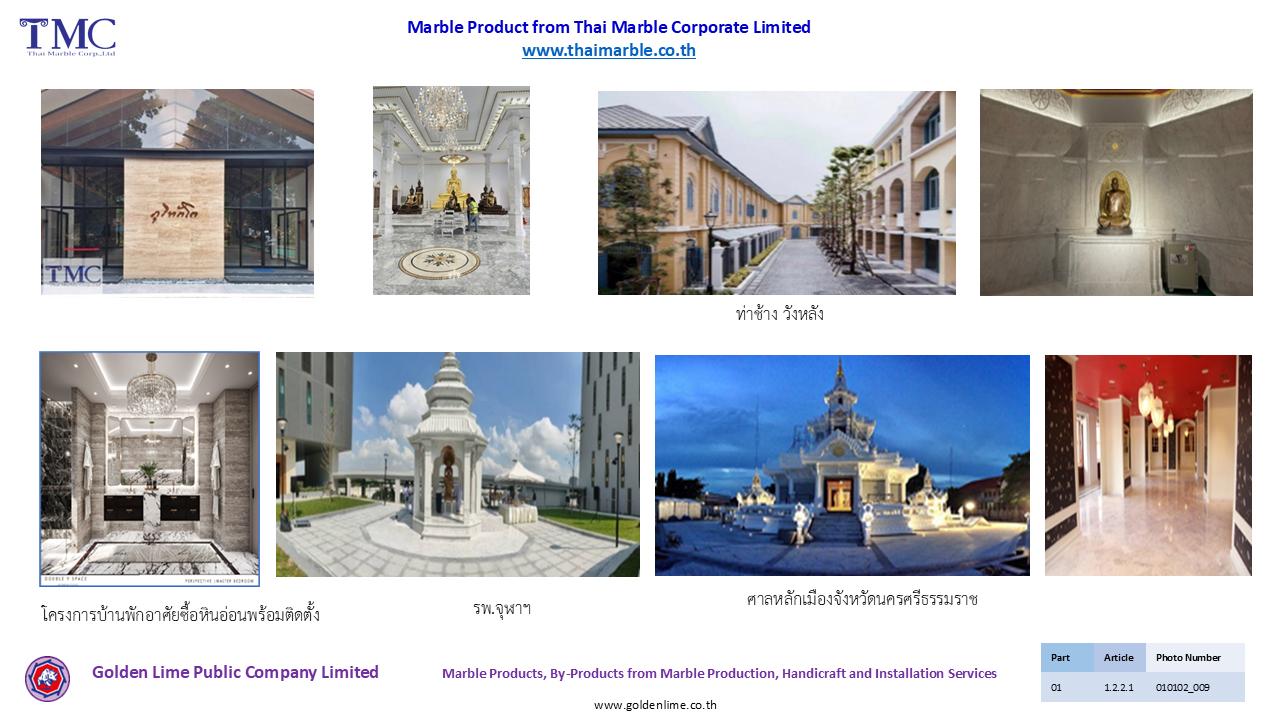
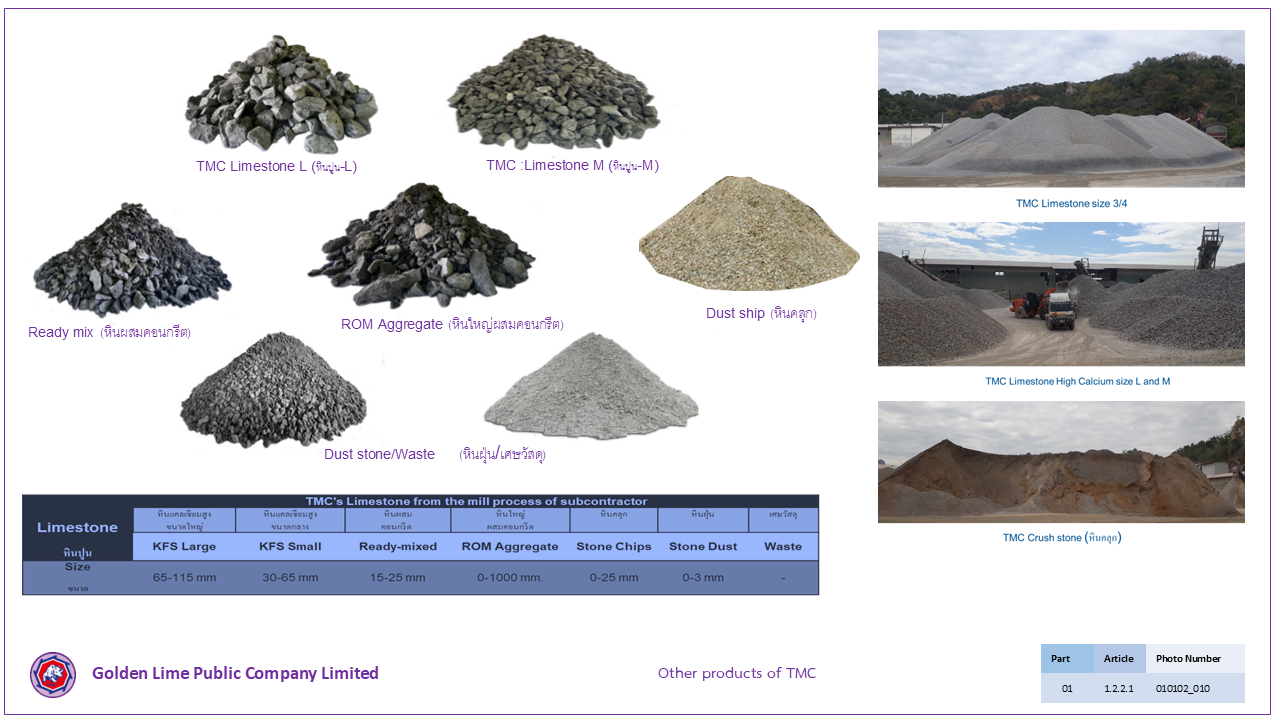
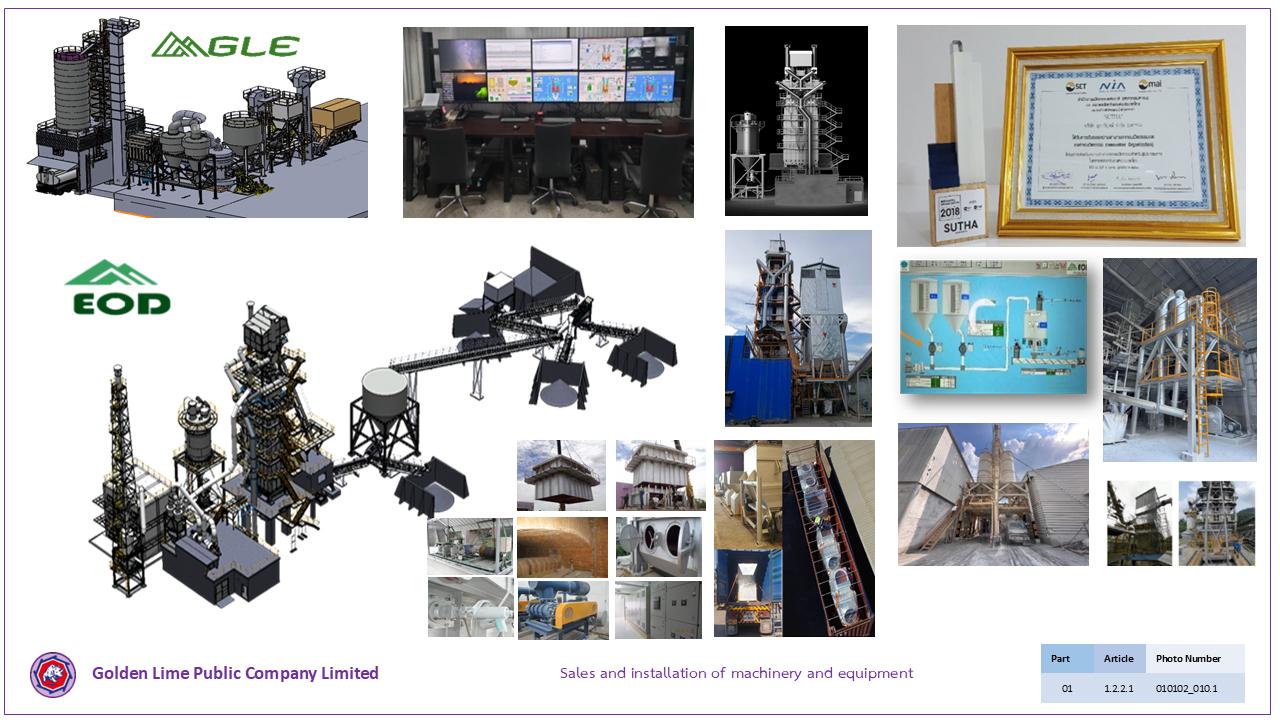
Research & Development
Has R&D Policy (Y/N)
Yes
Introduction
The company has set business and product development as one of its strategic growth goals. This includes projects to study the feasibility of business and product development, and innovation in processes. The key components of the model are as follows:
1. Value Proposition:Studying the features of products and services along the product line and analyzing to maximize their potential for application in relevant industries.
2. Customer Segment:Identifying target customer groups who can use the company's products or newly developed products by studying, evaluating, and analyzing customer behavior, needs, and desired characteristics.
3. Channels:Studying and analyzing channels or evaluating ways to deliver products and services to target customers.
4. Customer Relationships:Methods to create and maintain relationships with customers.
5. Revenue Streams:Studying the factors and resources necessary to develop products and services for market entry.
6. Key Resources:Essential resources or processes to support production or promotion towards product development goals, including raw materials and other necessary resources.
7. Key Activities:Activities necessary to create and deliver value.
8. Key Partners:Partners, shareholders, customers, or networks of organizations or experts who can support business activities.
9. Cost Structure:Costs associated with business operations.
Innovation for Products or Services
Innovation involves applying new ideas or processes to improve products, services, raw materials, and processes. The key components are:
1. Creativity:Generating new ideas that can be practically applied.
2. Research and Development (R&D):Conducting research and development to create new products or services.
3. Market and Customer Insights:Understanding customer needs and behaviors.
4. Collaboration and Cross-functional Teams:Working together across different departments and possibly with specialized external experts.
5. Risk-Taking and Adaptability: Accepting risks and adapting to situations, with each development project requiring study and analysis to assess potential risks and plan measures to manage impacts.
6. Technology and Digital Transformation: Using new technologies to create innovations or applying technology to drive development and progress in business activities.
R&D Cost — Description
The company is developing its business based on the existing product line structure, including expanding and developing related businesses such as engineering design to support necessary engineering and projects that require continuous improvement and investment. This also includes investing in acquisitions to expand the business base or to acquire assets that can be essential resources for business operations.
For various development projects already undertaken, investments have been made in projects such as renewable energy development, Flex Fuels project development, and research and testing to use biomass materials as fuel for the lime kiln process at the Huai Pa Wai branch. This pilot project aims to reduce greenhouse gas emissions within Scope 1. The research and development of biomass materials is a medium-to-long-term project to address climate change impacts and promote commercial opportunities for developing low-carbon lime products for future markets demanding low-carbon products.
For the purpose of establishing a structured data framework for preliminary progress reporting, the Company has disclosed the Biofuel Project investment at the Huai Pa Wai branch for the years 2022–2025 as capitalized expenditures under assets under experimental and testing phases. The investments amounted to THB 432,964 in 2022, THB 722,624 in 2023, and THB 59,810 in 2024. All related information has been prepared and disclosed in accordance with the data structure required under the eOne Report platform developed by the Stock Exchange of Thailand. Through this platform, the Company has reported its product development project performance.
In 2025, the Company continues to implement a key research and development project that commenced in earlier years and remains in the product development phase. The project aims to develop an innovative product for social benefit with future commercial potential—specifically, a lime-based soil improvement product designed to meet the engineering standards required for infrastructure construction in Thailand.
The product under development is intended to function as a lime-based binder applicable for:
Soil Drying,
Soil Modification, and
Soil Stabilization.
This innovative product is expected to help customers reduce costs traditionally incurred in soil improvement works by offering an alternative to conventional methods used in construction projects. Key benefits include:
Reducing the need for sourcing and purchasing new construction materials,
Lowering the number of truck trips in and out of the construction site,
Enhancing the strength of subgrade soil layers, and
Enabling faster readiness of construction areas.
The company's past innovation and technological efforts for society and the environment include the following:
“Business innovation for society and/or the environment”
Innovation is a process of creating and implementing new ideas, concepts, products, or services that result in a significant improvement or advancement in offering goods or services.
Business innovation aimed at benefiting society and the environment is a key component of sustainability development policy and strategies. These innovations yield economic advantages for businesses while also generating value for society and the environment. The following guidelines outline this approach.
1. Focus on developing business, social, and environmental innovations that enhance value for the company and its stakeholders.
2. Contribute to societal and environmental value creation that can be measured through the innovations implemented, reflecting both business and social/environmental benefits.
3. Share the business and social/environmental innovations created, enabling external stakeholders to understand and implement them.
The Company aims to lead in the production and distribution of lime and calcium carbonate by prioritizing advancement of production technology and innovation, knowledge management, and the creation of new products to foster opportunities for itself and its partners, all while adhering to principles of good governance and sustainability development for society, the environment, and stakeholders. Since launching the EOD Lime Kiln Brand in 2018, the Company has received awards recognizing its innovative capabilities and commitment to innovation. This includes the engineering design sector operated by its subsidiary, Golden Lime Engineering Co., Ltd. In 2024, to enhance investment project models and improve production efficiency, the Company has reallocated personnel from Golden Lime Engineering Co., Ltd and established a dedicated engineering and investment project unit to further explore and develop technology and innovation for sustainable production processes.
Establishing a framework to promote business and organizational development aims to transform them into sustainable innovation drivers through five key dimensions.
Dimension 1: Strategic Dimension
Focus on clear perspectives in setting goals for innovation including strategies for transferring innovation goals to internal departments to understand the importance and be able to formulate guidelines for innovation development in line with the business goals of organization.
Dimension 2: Structures
Focus on strategies for learning and commitment to building a mutually beneficial business including cooperation in the operation, communication between personnel and decentralization in administration and operation within the organization.
Dimension 3: Support
Focus on supporting innovation development in terms of finance, time, technology as well as creating and distributing knowledge and skills for people in the process of innovation management.
Dimension 4:
Climate Focus on the process of managing and developing human resources in order to support the perspective and understanding of the connections of job characteristics in different departments in the organization by nurturing the development of models for assessing the potential of human resources and creating an atmosphere that is conducive to the development of creativity within the organization.
Dimension 5:
Culture Focus on encouraging employees in the organization to think outside the box and focus on creating new ideas, such as setting challenging goals, dare to accept risks and can accept errors arising from the development of innovation, considered as part of the learning process, accepting comments and feedback from employees and rational arguments along with the preparation process for future changes.
The Company has received strong support from its major shareholders, Carmeuse and GP Group, particularly in organizational structure development and knowledge enhancement. Continuous knowledge-sharing and experience exchange take place regularly, including collaboration with affiliated partners and various external organizations.
Driven by the strategic direction and vision of the Carmeuse executive group toward Digital Transformation, both Carmeuse and its global network recognize the importance of advancing digital capabilities. As part of this initiative, an investment budget has been approved to upgrade the Company’s information technology infrastructure (IT Infrastructure) in order to strengthen internal communication efficiency and enhance data connectivity across the organization.
The Company is committed to improving communication channels among employees within the Carmeuse network to foster engagement, ensure clear communication of objectives and action plans, and enable systematic progress tracking. These efforts also include encouraging employees to share ideas, exchange knowledge, and contribute their experiences ultimately driving the organization’s collective growth and development in alignment with its strategic direction.
Business and product development aimed at generating growth opportunities while addressing the objectives of social and environmental innovation in production.
In pursuit of establishing a diverse customer base and enhancing customer satisfaction, the SUTHA is committed to expanding opportunities and fostering business growth, all while taking into account the economic, social, and environmental implications, as well as the interests of stakeholders.
Key strategies: SUTHA prioritizes the promotion of innovation and the broadening of its existing manufacturing capabilities to offer a diverse range of products that minimize environmental impact. It is dedicated to ensuring sustainable consumption patterns through asset acquisition and product development, while also addressing long-term customer needs and creating competitive advantages in the market through various business approaches and initiatives.
1. Business development involves evaluating market opportunities and creating products based on the initial production process or exploring investments in new projects to reach untapped markets, including new customers, businesses, or industries that have not previously utilized the company's offerings. Key projects that have been initiated include:
• Substitute product for the steel sector: the development of Dolime products.
• Lime product for the lightweight brick sector: AAC grade lime products.
• Soil Stabilizer : enhancing soil strength for business development. Currently, it is in the exploratory phase, assessing opportunities, potential business channels, collaborative efforts, product formulation, and properties, which will require medium to long-term development.
2. Product development emphasizes leveraging technology and innovation to enhance the efficiency of existing production processes or investing in new projects. This involves applying knowledge and expertise in engineering, design, and capital allocation to create new products that meet specific targets.
The newly developed and distributed products include:
• Dolime
• Milled lime (Hard Burnt) for the lightweight brick sector or AAC
Executing these initiatives will enable SUTHA to broaden its customer base, enhance customer satisfaction, and foster sustainable business growth opportunities.
Process Improvement through Technology and Innovation
Each year, the Company allocates funds to enhance and refine its production processes, emphasizing the development of new products and improving production efficiency to meet customer requirements. This approach ensures that products are utilized effectively and sustainably, leveraging technology and innovation for process advancement, as outlined below:
1. Cutting-Edge Technology:
• The integration of modern machinery and equipment in production to boost efficiency and minimize errors.
Key projects execution and investment :
The Dolime investment for the installation of a briquetting system at Phra Phutthabath, aimed at producing dolime products that are crushed and compacted into blocks for clients in the steel manufacturing sector.
The high-efficiency lime production investment for lightweight brick customersthrough the acquisition of Cava assets and machinery, leveraging expertise from the Carmeuse group, an indirect major shareholder.
Upgrade the dust collection systemfrom a web scrubber to a bag filter at the Chong Sarika branch. This upgrade not only enhances the efficiency of the dust collection system but also reduces maintenance time and water consumption, aligning with the Company's water management initiatives. Some machinery is imported, with model development and equipment oversight managed by engineers from the GLE Engineering and Capex department.
Selection of Technologies to Promote Socially and Environmentally Friendly Product Use
The Company actively promotes and selects technologies that are socially and environmentally friendly. Information on these technologies is shared with our customer base as potential solutions that can be adopted within their production processes. The recommended technologies aim to enhance operational efficiency, reduce environmental impacts, and improve workplace safety. One of the key technologies introduced is Lime Injection for the steel industry.
For the Steel Industry
The selected technology is the Fluxes Injection System, an advanced method for injecting lime and fluxes into steelmaking furnaces. This system is designed to optimize slag chemistry and plays a critical role in:
Controlling slag basicity,
Reducing melting point, and
Absorbing impurities such as phosphorus and sulfur.
The technology was introduced as a solution to challenges associated with traditional flux charging methods. It includes the Pneumatic Injection System and LIMEJET technology, both of which significantly improve process performance compared with conventional systems. Key advantages include:
Increased productivity and reduced melting time,
Reduced dust generation and environmental impact,
Lower production costs and reduced waste disposal requirements,
Extended refractory lining life in the furnace,
Improved energy efficiency and steel quality, and
Enhanced workplace safety and overall working conditions.
2. An automation system for overseeing and regulating the production process
For guaranteeing that products adhere to predetermined standards. This methodology aids in sustaining consistency within the process, reducing time and errors, and offering resources for data visualization and analysis derived from the control system. These systems are capable of assessing the production status, detecting anomalies, and pinpointing any variables that do not fulfill requirements, whether related to the company's operations or those of its clients.
• Developing a software solution to oversee devices within the Pneumatic Transportation system specifically designed for clients in the Thai Foods sector.
• Designing a software solution to oversee kiln operations and handle statistical data related to the work process (Kiln Software Upgrade and HMI).
• Developing a software system to regulate the EOD kiln process in line with the kiln sales initiative for Indonesia.
• Upgrading the existing kiln system software to allow for customization of the control system based on modified or additional equipment.
3. Innovation Development:
• Conducting Research and Development (R&D) to design high-quality new products that align with market needs.
• Enhancing production formulas and processes to improve efficiency and lower production costs.
4.Information Technology (IT):
• Implementing Data Management Systems to gather and analyze production data, thereby boosting process efficiency.
• Adopting Enterprise Resource Planning (ERP) software for effective resource and production management.
• Deploying advanced work management software with AI capabilities, database management, cloud file sharing, and robust security systems for effective work and information management.
5. Employee Skills and Knowledge Enhancement:
• Providing training to enhance employees' skills in utilizing new technologies and innovations for improved efficiency.
• Encouraging continuous learning and self-improvement among employees to help them adapt to and implement new technologies in their roles.
• Introducing online training technologies and innovations to deliver knowledge and assessments, ensuring preparedness against cyber threats in both internal and external communications.
The integration of technology and innovation into the production process serves as a viable strategy to enhance efficiency and ensure the continuous delivery of products that align with customer specifications. This approach not only fosters a competitive edge in the marketplace but also acts as a catalyst for improving operational efficiency and effectiveness within the organization, ultimately aiming to establish it as an innovative entity.
Examples of initiatives aimed at fostering innovation within the organization include:
• COST SAVING PROGRAM
• Dolime product development tailored for steel industry clients, focusing on sustainable production and distribution
• Innovation promotion project for the smart application of lime in the steel and chemical sectors
• Customization development for the Two Vertical Shaft Kiln 150TPD lime kiln, specifically designed for the lightweight brick industry
Key Development Project: Soil Stabilization Initiative
SUTHA is committed to driving key development projects that create balanced value for the Company and its stakeholders across economic, social, and environmental dimensions. One of the Company’s strategic initiatives is the Soil Stabilization Project, which focuses on applying lime to address soil-related challenges commonly found in construction and infrastructure development across Thailand.
Through extensive studies and research, SUTHA has identified several major soil issues affecting the country’s infrastructure systems:
1. Low Stability of Clay Soils
Many areas—particularly in the Central and some Southern regions—contain clay soils with low stability and insufficient bearing capacity to support infrastructure loads. Thailand’s high rainfall and elevated groundwater levels contribute to clay conditions with very high moisture content.
Without prior soil improvement, these areas often experience excessive ground settlement, leading to significant structural damage to buildings and infrastructure.
2. Saline Soils
High-chloride or high-sulfate soils are commonly found in the Northeastern region and coastal areas. Saline soils accelerate corrosion in structural elements, often visible as rust formation on buildings and foundations.
Common mitigation methods include using chloride- or sulfate-resistant construction materials or improving the soil before construction begins.
3. Imminent Shortage of Construction Materials
Thailand is expected to face increasing scarcity of qualified natural construction materials. Several regions have already reported shortages of materials that meet engineering standards, prompting changes in construction methods and revision of technical specifications to align with current constraints.
Benefits of the Soil Stabilization Business Development
SUTHA has assessed the potential benefits of developing lime and hybrid lime products for soil stabilization to support diverse infrastructure construction projects. Key advantages include:
Improved Engineering Properties of Soil
Enhances soil bearing capacity and stability before construction, ensuring stronger and more durable infrastructure foundations.Reduced Cost of Procuring New Natural Materials
The lime and hybrid lime stabilization method promotes the use of existing on-site materials that may otherwise fall below specification, reducing the need to source new materials from natural deposits.Lower Carbon Emissions
Fewer transportation activities for hauling new materials result in a direct reduction of greenhouse gas emissions.Enhanced Safety in Construction Sites
By reducing soil transport and material movement from external sources, the process minimizes heavy vehicle operations, thereby increasing overall safety at construction sites.Improved Durability and Sustainability of Infrastructure
Soil stabilized with lime or hybrid lime exhibits enhanced long-term performance, contributing to more resilient and sustainable infrastructure systems.
Relevant Research
Past and current studies indicate that research on lime and hybrid lime soil stabilization is relatively limited within Thailand.
SUTHA has therefore entered into a formal collaboration with the Civil Engineering Department of Rajamangala University of Technology Isan to jointly develop lime-based products for soil stabilization applications.
The project is currently in the final research conclusion phase, with results expected to support future product development and commercial application.
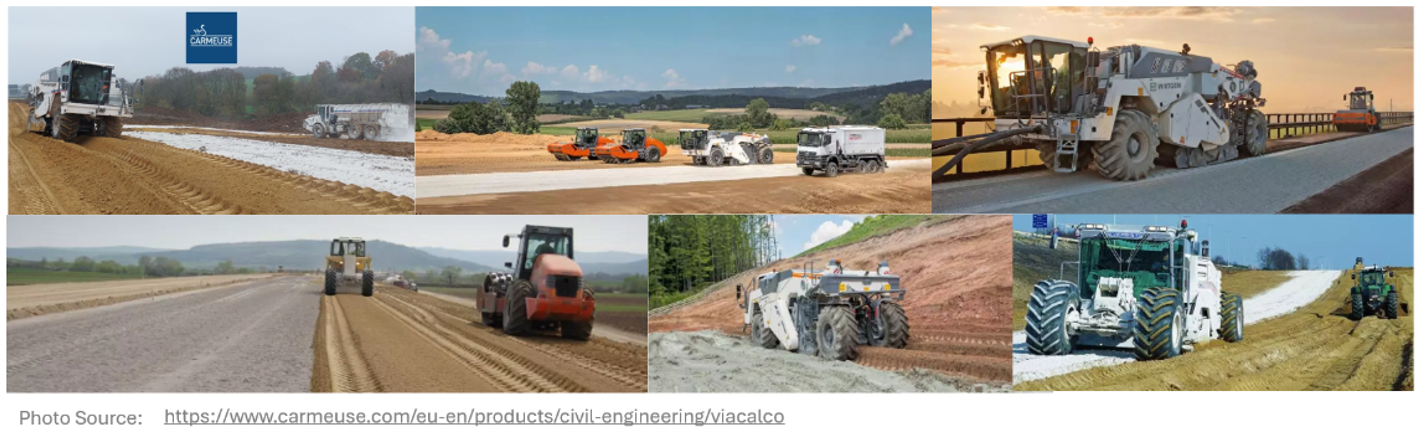
Further details regarding each project can be found at https://www.goldenlime.co.th/Organization_Innovation_Development
R&D Cost — Label
Research and development (R&D) expenses over the past 3 years (Million Baht)
R&D Cost — This Year
339000.0
R&D Cost — Last Year
59810
R&D Cost — 2 Years Ago
722624
Assets Used in the Business
Permanent Assets — Description
Golden Lime Public Company Limited and its subsidiaries have key fixed assets, including land where the factories are located, as well as machinery and equipment and others office equipment and supply used in business operations.
The net value of the key operating assets as of December 31, 2025, is as follows:
Permanent Assets — Appraisal
| Asset | Ownership | Obligation | Appraisal Value | Description |
|---|---|---|---|---|
| 1. Assets for business use at Chong Sarika and Na Phra Lan | Golden Lime PLC | Collateral asset with commercial bank | 533.04 | The exiting assets of Golden Lime PLC. (excluding SQL assets of Phrabuthabat branch) in the book value as of December 31, 2025 in million baht. |
| 1.1 Land in Lopburi Province | Golden Lime PLC | Mortgage of land where factory is located in Chong Sarika , Solar Farm, the raw material pile at Kho | 38.67 | Land area 127 - 2 - 106 rai , 5 -0-0 Rai ,
75 - 8 - 135 rai , 24 rai in Chong Sarika Subdistrict Phatthana Nikhom District, Lop Buri Province , land area 31-2-120 rai, Khok Tum Subdistrict, Lop Buri Province
|
| 1.2 Land in front of the Royal Plaza | Golden Lime PLC | Currently, the land is used as collateral asset. | 16.32 | Land 29-1-42 rai, Na Phra Lan Subdistrict, Chaloem Phra Kiat District, Saraburi Province, previously located at Na Phra Lan branch, currently used for inventory and products waiting to be sold. |
| 1.3 Land near Khao Wong | Golden Lime PLC. | no rental obligation | 2.1 | Land area 18-1-170 rai, Khun Khlon Subdistrict, Phra Phutthabat District, Saraburi Province |
| 1.4 Huai Pha Wai land | Golden Lime PLC. | Currently, the land is used as collateral asset. | 27.81 | Land area 67-2-71 rai , 36-1-71 rai, Huai Pawa Subdistrict Phra Phutthabat District, Saraburi Province |
| 1.5 5 rai of land | Golden Lime PLC. | No obligation | 2.4 | Purchased in 2023 according to the Solar farm project |
| 1.6 Buildings and improvements | Golden Lime PLC. | Partial buildings are used as collateral assets along with the land. | 16.15 | for business use |
| 1.7 Machinery and equipment | Golden Lime PLC. | Some of the machinery is used as collateral assets. | 339.34 | for business use |
| 1.8 Office equipment | Golden Lime PLC. | No obligation | 5.21 | for business use |
| 1.9 Vehicles | Golden Lime PLC. | Some vehicles are subject to collateral, hirepurchase/leasing contracts made with financial institut | 13.67 | for business use |
| 1.10 Reserve materials, machinery during installation, etc. | Golden Lime PLC. | No obligation | 71.37 | for business use |
| 2. Assets at Phra Phutthabat branch | Golden Lime PLC. | Collateral asset with commercial bank | 113.15 | Assets acquired from the acquisition of Saraburi Quick Lime Co., Ltd. and subsequently incurred book value as of December 31, 2025, in million baht. |
| 2.1 Phra Phutthabat Branch Land | Golden Lime PLC. | Currently, the land is used as collateral asset. | 43.17 | for business use |
| 2.2 Buildings and building improvements | Golden Lime PLC. | Currently, the land is used as collateral asset. | 16.46 | for business use |
| 2.3 Machinery and equipment | Golden Lime PLC. | Some of the machinery is used as collateral asset. | 45.3 | for business use |
| 2.4 Office equipment | Golden Lime PLC. | No obligation | 0.43 | for business use |
| 2.5 Vehicles | Golden Lime PLC. | No obligation | 7.79 | for business use |
| 2.6 spare inventory, machinery pending for installing, etc. | Golden Lime PLC. | No obligation | 0 | for business use |
| 3. GLE assets | Golden Lime Engineering Co., Ltd. | collateral asset with commercial bank | 0.09 | Assets as of 31 December 2025, million baht |
| 3.1 Machinery and equipment, office equipment | Golden Lime Engineering Co., Ltd. | No obligation | 0.09 | for business use |
| 4.TMC assets | Thai Marble Corp., Ltd. | Collateral asset with commercial bank | 118.06 | Assets acquired from the acquisition of Marble Co., Ltd. and subsequently acquired are shown at book value as of December 31, 2025, in million baht. |
| 4.1 Marble factory location, total of 3 title deeds | Thai Marble Corp., Ltd. | Mortgage the land as collateral with a commercial bank. | 11 | Land 13866 /62-3-15.6 rai,27732 /18-2-00 rai 14556 /2-1-67 rai
Factory location, Branch 1, No. 351, Village No. 2, Na Phra Lan Subdistrict, Chaloem Phra Kiat District, Saraburi Province
|
| 4. 2 Land plots located at Branch 2, No. 271, total of 5 title deeds | Thai Marble Corp., Ltd. | Mortgage the land as collateral with a commercial bank. | 0.77 | Land 48168/12-3-0 rai , 48169/4-0-0 rai , 50695/4-3-93 rai ,5069 6/6-0-76 rai ,5069 7/2-3-46 rai Location: Branch 2, No. 271, Village No. 9, Thap Kwang Subdistrict, Kaeng Khoi District, Saraburi Province
|
| 4.3 Land Improved | Thai Marble Corp., Ltd. | No obligation | 5.26 | for business use |
| 4.4 Buildings and building attachments | Thai Marble Corp., Ltd. | No obligation | 15.5 | for business use |
| 4.5 Machinery and equipment | Thai Marble Corp., Ltd. | No obligation Some machinery serves as collateral. | 81.14 | For business purposes, the installation of the GCC production process and an additional GCC product silo. |
| 4.6 Office equipment | Thai Marble Corp., Ltd. | No obligation | 1.98 | for business use |
| 4.7 Vehicles | Thai Marble Corp., Ltd. | No obligation | 1.62 | for business use |
| 4.8 Buildings under construction and machinery under installation | Thai Marble Corp., Ltd. | No obligation | 0.79 | for business use |
| 5. Investment property | Golden Lime PLC. | Mortgage the land as collateral with a commercial bank. | 2 | Recorded book value as of December 31, 2025, in million baht. |
| 5.1 Land in Tambon Thap Tai, Hua Hin, NS.3 Kor, total area 56-2-12 rai. | Golden Lime PLC. | Mortgage the land as collateral with a commercial bank. | 2 | 3 plots of land with title deeds, NS.3 Kor., Tambon Thap Tai, Amphoe Hua Hin, Prachuap Khiri Khan Province, awaiting sale according to the asset sale plan. |
Intangible Assets — Description
Intangible assets detailed in the report are those obtained through business acquisition, valued at their fair value on the date of acquisition. For intangible assets acquired through other means, the company initially records these assets at their acquisition cost. Following initial recognition, intangible assets are presented at cost, less than any accumulated amortization and impairment losses, if applicable. The reported figure reflects the net value of intangible assets as of December 31. Each category of intangible asset is evaluated for impairment based on its useful life, which is defined as follows:
Computer software: useful life of 3, 5, or 10years
Customer relationships: useful life of 15years
Cost of concession: concession periods of 15r 20years
The financial report includes a comprehensive list of intangible assets.
Intangible Assets — Appraisal
| Asset | Type | Type (if Other) | Appraisal Value | Description |
|---|---|---|---|---|
| Computer software_GL | Software | 2.52 | for business use | |
| Customer Relations_GL | Others | Customer Relations | 13.75 | for business use |
| Computer software_TMC | Software | 0.19 | for business use | |
| Customer Relations_TMC | Concession | 278.22 | for business use | |
| Concession cost_TMC | Patent | 33.49 | for business use |
Has Subsidiaries Investment Policy (Y/N)
Yes
Subsidiaries Investment Policy — Description
Investment Policy in Subsidiaries and Associates.
The Company has an investment in its subsidiary, which, as of December 31, 2024, is outlined as follows.
1) Golden Lime Engineering Company Limited (“GLE”)
2) Thai Marble Corporation Limited (“TMC”)
Golden Lime Engineering Company Limited (“GLE”)
Established on March 15, 2017, registered capital of 20 million baht, shareholding 99.9%
Golden Lime Engineering Co., Ltd. (GLE) was founded with the aim of investing in the advancement of engineering and design related to lime kiln technology. This initiative seeks to enhance the company's production processes while minimizing dependence on foreign engineers, particularly in instances where process development is necessary. GLE has assembled a team of engineers dedicated to the advancement of engineering and production technology, focusing on the development of lime kiln technology under the registered brand name EOD Lime KilnTM. The company is expanding its operations in kiln construction and engineering design.
GLE primary revenue streams:
1. the sale of machinery and equipment through projects that are manufactured and distributed to customers who undertake their own installations. The company's engineers are responsible for overseeing the control and testing processes. The primary client consists of customers within the company's network, particularly limestone mining operations, primarily located in Southeast Asian countries.
2. offering engineering and design services to clients within the company's network, which includes both customers and suppliers.
Notable successful projects prior to the establishment of a subsidiary include:
1. The K7 kiln construction project at the Huai Pa Wai branch.
2. The kiln sales project to Indonesia, Kurnia 1.
The kiln sales project to Indonesia, BAM.
3. The engineering design for both electrical and mechanical systems, kiln process control software, PLC circuits, and control systems.
The risk assessment and feasibility study of GLE
The management analysis indicates that following the establishment of GLE to support the 150 TPD kiln project, the market presents both constraints and opportunities for growth. The GLE operational team, equipped with the necessary skills to facilitate engineering tasks and execute expansion initiatives, has undergone personnel restructuring. This includes the transfer of the engineering team and staff from GLE to form a new engineering unit under the oversight of GL and the company. GLE will persist in its operations to support transactions and services for its original customer base while also providing engineering and various process services to the company's clientele.
The opportunities in return of GLE's investment include:
• The development of proprietary engineering, innovation, and technology.
• The introduction of kiln utilizing Vertical Shaft Kiln technology under the EOD Lime Kiln brand, which is the first brand registered to GLE and produced in Thailand, aimed at enhancing business growth and future support.
• The expansion of the engineering and machinery sector to achieve commercial profitability, while also fostering the skills, processes, methodologies, and expertise of the engineering team.
• The construction of one kiln for Golden Lime, with three kilns sold commercially.
• A team of engineers capable of developing various projects to ensure the ongoing operation of the current business.
GLE investment risks include:
• Lack of sales from machinery and equipment can lead to a negative impact on income returns.
• A negative income return may hinder the business's ability to meet employee expectations, potentially resulting in staff changes.
• The core business relies on competence / skills of its personnel.
Mitigate GLE investment risk to an acceptable threshold.
Full capital allowance available
Cost reduction or compensation modification in alignment with the project's timeline, while no revenue generated from the project
Organizational restructuring to minimize risks and optimize accounting and tax between the Company and its subsidiaries
The development of business plans for engineering services within the group of companies has increased.
Thai Marble Corporation Limited (“TMC”)
Thai Marble Co., Ltd. acquisition as a supply security by bidding and acquiring 99.79 percent of shares from a total registered capital of 82.8 million baht, the total price paid in the auction was 605 million baht dated December 31, 2022. The company then purchased additional shares from existing minor shareholders to hold 99.81% of total shares.
TMC primary revenue streams
1. Manufacture and sale of marble and its by-products
2. Manufacture and sale of limestone and its by-products
3. Manufacture and sale of calcium carbonate from marble scraps
The opportunities in return of TMC 's investment include:
• Serve as a limestone supply security to GL and supply for marble production as its own core business and GCC products
• long-term contracts for the purchase and sale of limestone with its subsidiary allowing for effective management of production levels and ensuring adequate raw materials for production needs.
• concession valid 20 years ensure supply security to its own production and clients’
TMC investment risks include:
The acquisition of TMC comes with debt obligations
Increase of interest rate lead to increase of financing cost
Its marble business growth depends on construction activities
Limestone quarrying and marble quarrying still largely depend on supplier/ contractors’ performance
If the company changes its plan for using raw materials from the Khao Khao limestone quarry, or if the Khao Khao limestone quarry, under its permitted concession, produces limestone in some areas that does not meet customer requirements and cannot be sold to the company for production, it may result in a reduction in the amount of limestone ordered by the subsidiary. This could lead to a decrease in revenue from limestone sales, which may result in a devaluation of the fair value of the assets in the Khao Khao limestone quarry.
During 2024-2025, Thai Marble Co., Ltd. invested over 50 million baht in expanding its production capacity for powdered calcium carbonate (GCC) products. This investment was largely financed through borrowing. If the subsidiary cannot sell the products according to the plan or target, it may affect the repayment of the loan, potentially creating an obligation for the company to allocate working capital to repay the loan if the subsidiary cannot generate sufficient cash flow to repay the debt.
TMC investment risk mitigation to an acceptable threshold:
Assign management to control and monitor operation to ensure same practices.
Internal controls, Risk Assessment and financial policy.
Set standardized accounting and finance practices.
Conduct internal audit annually by external auditor.
Set a yearly budget plan and monitoring.
Assign external auditor for inventory audit.
Conduct suppliers visit to ensure safe and professional performance.
Supervise by internal management to oversee and follow up via regular meetings.
Hire qualified executives for replacements and retirements.
Analyze the GCC market and evaluate investment opportunities to boost production capacity and enhance revenue from GCC products.
Controlling and monitoring production processes from various subcontractors to reduce the risk of product loss or negotiating stringent subcontracting contracts, including provisions for payment and recovery in case of product loss.
Tracking production counts, including monitoring inventory counts stored in subcontractor areas to minimize discrepancies in inventory reports.
Restructuring the organization and personnel and merging management in key areas to establish policies and control activities for critical functions.
Reducing expenses and strictly controlling expenditures.
Marketing Policy & Competition
Reporting Mode
3117
Marketing Policy (Overall)
Experience and Expertise: Leveraging our extensive experience and expertise in producing and distributing lime products (calcium oxide, calcium magnesium oxide, and calcium hydroxide) and calcium carbonate, which are used in various industries, primarily large-scale industries in the country.
Continuous Development: We are committed to continuous development to deliver products that provide maximum benefits to our customers.
Market Expansion: Expanding opportunities to establish new market bases and striving to maintain and sustain good marketing and sales relationships to ensure continuous product delivery to our customers in the long term.
Marketing Policies and Strategies in line with the corporate goals:
1. Economic and Business Growth:
• Diversification and Stability: Managing risks and maintaining a stable revenue base by diversifying production and sales to various industries both domestically and internationally.
• Industry Leadership: Aiming to be a leader in the production and distribution of lime, powdered calcium carbonate, and marble products through responsible delivery and strategic market analysis.
• Innovation and Technology: Developing processes and products using advanced technology and innovation to create business growth opportunities.
• Efficiency and Customer Satisfaction: Enhancing production efficiency and customer satisfaction by meeting specific industry needs and providing competitive pricing.
• Sustainable Growth: Maintaining long-term profitability and participating in activities that develop the value chain for both customers and partners.
2. Customer focus to create values for domestic and international customers
Customer Focus and Value Creation for Domestic and International Clients: The company prioritizes each customer group and individual clients by creating value in products and services to meet their satisfaction and needs. This includes both the quantity and quality of products and their application in various industries. The company has a primary domestic sales ratio of 90%, with the remaining sales to international customers.
Sales Strategies:
• Focus on customers and increase sales proportion to new customers in existing industries, as well as attract customers in new industry sectors.
• Increase product sales volume to new target countries internationally.
• Develop knowledge and engagement from teams across sales, technical support, export, transportation, and logistics.
• Participate in meetings to exchange knowledge and experiences, supported by major shareholders who are leading global lime producers.
Company Reputation: The Company is committed to providing value to its customers, minimizing transportation cost constraints, and generating opportunities to enhance product value for a broader customer base.
New Product Development Strategies:
• Elevate the quality and standards of current products to fulfill the satisfaction and usage requirements of clients across diverse sectors.
• Leverage technology and research to adapt and utilize innovations that maximize customer satisfaction.
• Foster expanded market opportunities to realize the primary objective of customer satisfaction and the establishment of enduring customer relationships.
3. Product delivery with responsibility to environment and stakeholders
3.1 Quality Management and Responsible Marketing Communication
The Company is committed to providing products and services that are both high-quality and safe, which are essential for industrial enterprises. Our primary offerings consist of basic chemicals that act as raw materials across multiple sectors, both in the domestic and international markets. These operations comply with global standards, including ISO 9001 for quality management, ISO 14001 for environmental management, and ISO 45001 for occupational health and safety. Furthermore, we address our impacts through policies focused on human rights and biodiversity, aiming to reduce the consequences of our activities on society, communities, and the environment.
Quality Assurance: The Company oversees and upholds product quality while ensuring dependable delivery services, allowing products to arrive at customers securely and function effectively. By managing all processes to adhere to quality standards throughout the product lifecycle from manufacturing to customer delivery the company mitigates risks to its reputation and fosters customer satisfaction.
Effective Marketing and Customer Engagement: To improve marketing effectiveness and connect with target customer segments, the organization broadens its communication channels and assigns specialized teams to disseminate information regarding product features and applications. Our marketing, sales, business development, and support teams provide crucial insights to assist customers in choosing the most suitable products for their production needs. Furthermore, our logistics team identifies the most appropriate transportation methods to efficiently serve each customer segment.
3.2 On time delivery with social and environmental responsibility
SUTHA is committed to fulfilling customer requirements by offering delivery services that are safe, timely, and efficient through a transportation management system that oversees both its own fleet and those of partners. The vehicles operated by the company are fitted with GPS technology, enabling real-time route monitoring and vehicle status tracking. In pursuit of delivering products with a focus on social and environmental responsibility, the Company emphasizes not only timely delivery but also the management of the entire delivery process. This includes adhering to legal regulations, implementing measures to mitigate potential risks associated with transportation, ensuring the safety of drivers and other stakeholders, and considering environmental impacts. The Company is dedicated to minimizing any adverse effects that may arise from its transportation activities on the community and society, guided by the following principles: (GRI: 403-4/403-5/403-6)
1) Adherence to legal obligations concerning transportation regulations, which encompass licensing and inspections, is essential. It is imperative to maintain rigorous compliance with transportation standards and to oversee the weight of loaded cargo to ensure legal conformity.
2) Traffic awareness during public holidays and peak periods, assigning alternative routes or loading times to mitigate congestion and prevent infrastructure overload. Traffic patterns differ significantly between holidays, weekdays, and weekends.
3) Compliance with occupational health and safety standards to regularly assess vehicle conditions and ensure that drivers are fit and prepared to carry out their responsibilities safely.
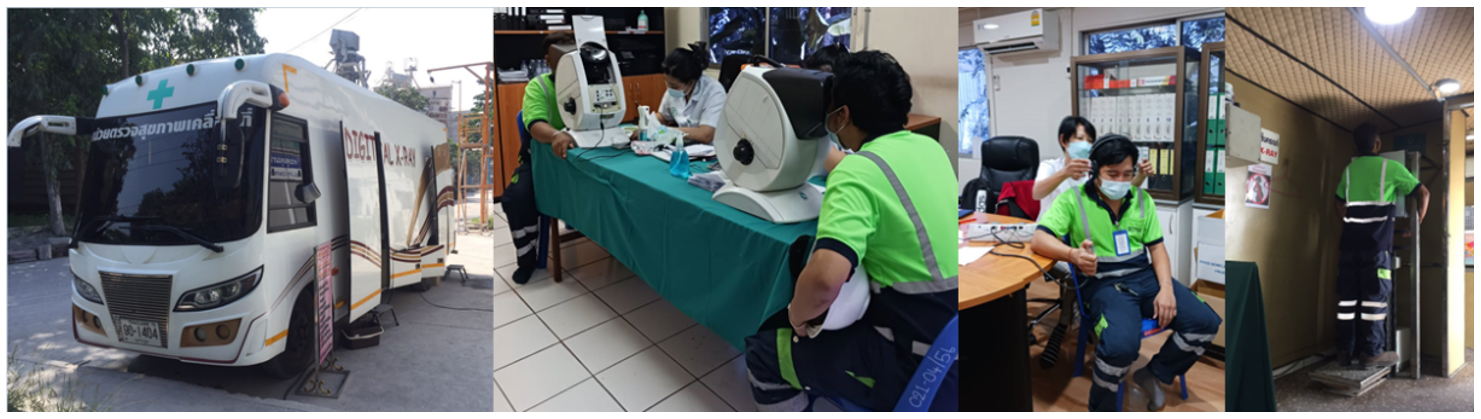
4) Prioritizing road safety at all times, necessitating the enforcement of speed limits, monitoring driver behavior, and ensuring adequate rest periods.
5) A strict zero-tolerance policy regarding alcohol consumption for all drivers must be enforced to avert accidents and safeguard public safety.
6) Possession of a valid driver's license is a prerequisite.
7) Utilizing tarpaulins to cover cargo on trucks is essential to reduce negative impacts on the community and other road users.
8) Clean the wheels of all trucks prior to their departure from facilities to minimize dust emissions, which can adversely affect community health and road safety.
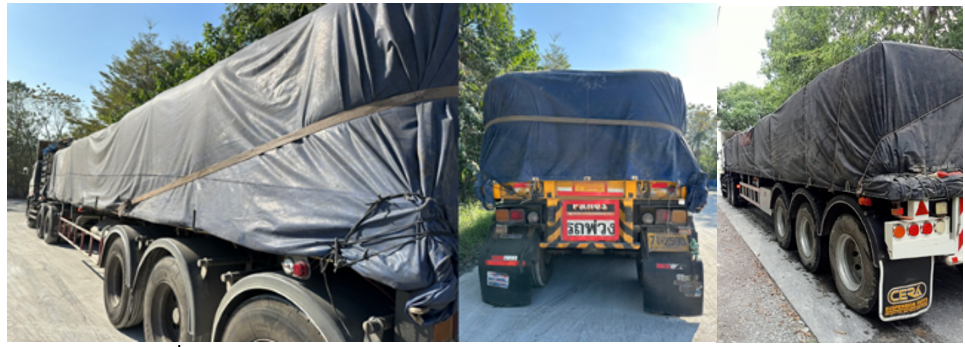
To achieve timely deliveries while maintaining social and environmental responsibility, we have established a development program for personnel and contractors. This initiative aims to educate and enhance awareness regarding traffic regulations and safety protocols. By doing so, we can implement comprehensive logistics processes in a responsible and effective manner. (GRI: 403-4)
3.3 Production Control, Flexibility, and Production Efficiency
Continuous Production Control: The company is committed to continuously controlling the production process to ensure product quality and safety. Utilizing modern technology and management systems allows for effective monitoring and improvement of production processes.
Production Flexibility: The company has the ability to adapt and respond to rapidly changing market demands by efficiently improving production processes and managing resources. This ensures that products can be manufactured to meet customer needs in a timely manner. The company operates a total of nine kilns, running 24 hours a day and having a capacity of 1,050 tons per day. The kilns are relatively small, which allows for maximum flexibility. In case of any supply disruptions, the company has a portfolio of tools available to manage the situation. Automation technology installed in the kilns ensures maximum efficiency and early detection of issues.
Production Efficiency: Enhancing production efficiency is a key focus for the company. By using advanced technology and providing ongoing employee training, the company can increase production volumes and reduce production costs. Regular monitoring and improvement of production processes ensure that production is carried out with maximum efficiency.
3.4 Products and new markets development and technical support
• Expert teams provide technical support both locally and globally.
• Emphasis on product development tailored to suitable applications.
• Enhance the value of both existing and new products.
• Economic advancement in Southeast Asia in conjunction with product development.
• Strong focus on quality product development for customers who prioritize quality over cost.
• Creation and expansion of environmentally sustainable products for a new generation of eco-conscious consumers, alongside the development of products that minimize environmental impact.
• The development of Dolime products to substitute imported materials in the steel industry, thereby ensuring long-term market competitiveness and stability.
• New products for the construction sector to guarantee sustained market stability and growth.
• Assess the potential for business opportunities through Soil Stab technology, focusing on new product development for construction and infrastructure. This evaluation aims to align with goals for technological advancement that promote business growth, societal progress, and environmental sustainability.
Proportion of Domestic Sales to Export Sales
The Company primarily markets its products within its core business, maintaining a sales ratio of 90% for domestic customers compared to 10% for international customers. The distribution of its key Lime products occurs through two main channels, detailed as follows:
1) Direct selling to customers (90% f sales)
The marketing team will be responsible for directly engaging with customers, leveraging strong relationships in sales and services with executives and all departments that cater to customer needs. This includes collaboration with manufacturers across various industries, as well as distributors, wholesalers, retailers, and individual customers, including new customers who reach out directly or are referred by existing customers. The marketing team will assess customer requirements to provide relevant product information that aligns with their needs and application.
2) Sales through distributors (10% f sales)
The company caters to specific customers such as state-owned enterprises, government organizations, customers in the agricultural sector, and some industrial sites that are located far away from our factories. For their distribution, agents are employed. However, the company still retains its primary sales and service revenue proportion (90%) through direct selling.
Industry & Competition (Overall)
Market competitiveness in core business
SUTHA analyzed data from the Department of Industrial Works’ factory license database, as of October 1, 2015. The dataset includes 101 factories within the same industry category, most of which are concentrated in the Central region, especially Saraburi, accounting for about 38% of all facilities. This suggests the industry is mainly controlled by a few large companies, with many medium-sized and smaller operators also active.
The company examined eight major producers with notable revenue in order to better understand the current competitive environment. Financial summary reports from the Department of Business Development, Ministry of Commerce—specifically standalone financial statements—were used for this analysis. The review looked at total revenue, costs, profits, market share, growth trends, financial health, and important financial ratios to gain insight into the dynamics of the lime industry.
1) Market Share and Growth Trends in Lime Products
Based on aggregated revenue data for the eight producers:
2024 (2567): THB 5,602 million
2023 (2566): THB 5,497 million
2022 (2565): THB 5,325 million
CMAN controls over half the market, with SUTHA and other mid-sized producers trailing behind.
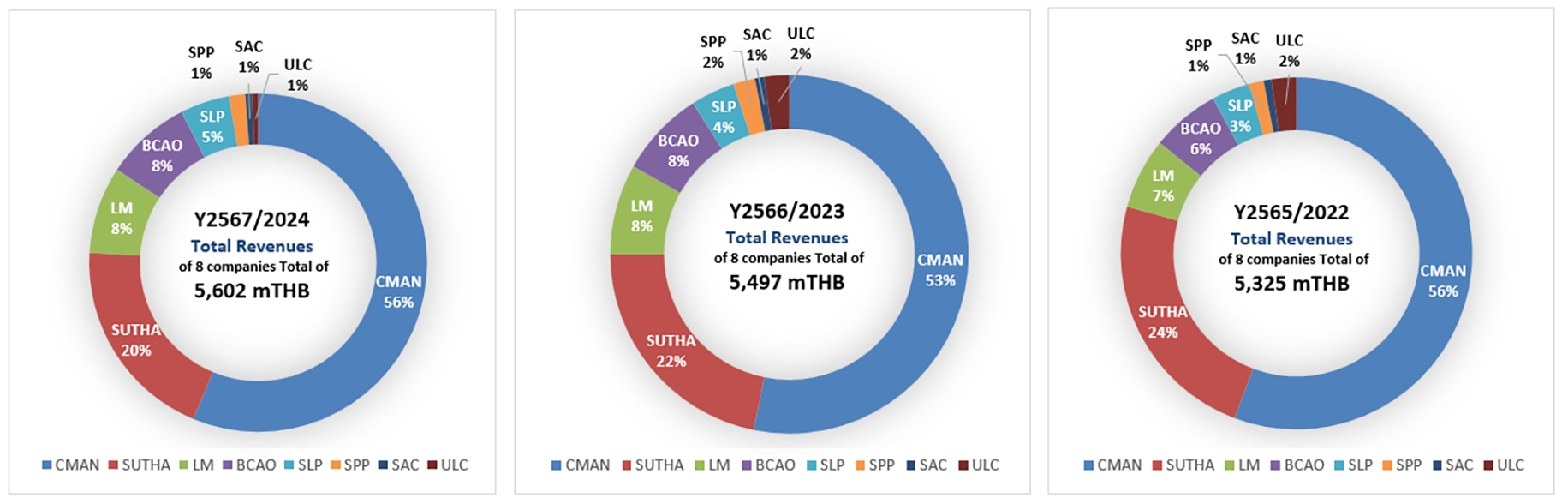
Market Share Distribution of the Eight Lime Producers (as of 2024):
Among the eight producers, CMAN is the largest player, holding 56% of the total market share. SUTHA ranks second with 20%. LM and BCAO, both medium-sized producers, each account for 8% of the market. SLP holds 5%, while the remaining 3% is shared among three small-scale producers.
For the competitive landscape analysis of the domestic market, the assessment is based on publicly disclosed data collected from annual reports indicating domestic sales revenue for eight manufacturers and distributors. Among these, two manufacturers also engage in exports and provide separate reporting of domestic and international sales figures.
The analysis focuses on the proportion of sales within the quicklime product segment, which represents domestic market distribution. Based on data from 2024, 2023, and 2022, the company remains one of the leading distributors in the domestic market, with the following market share proportions:
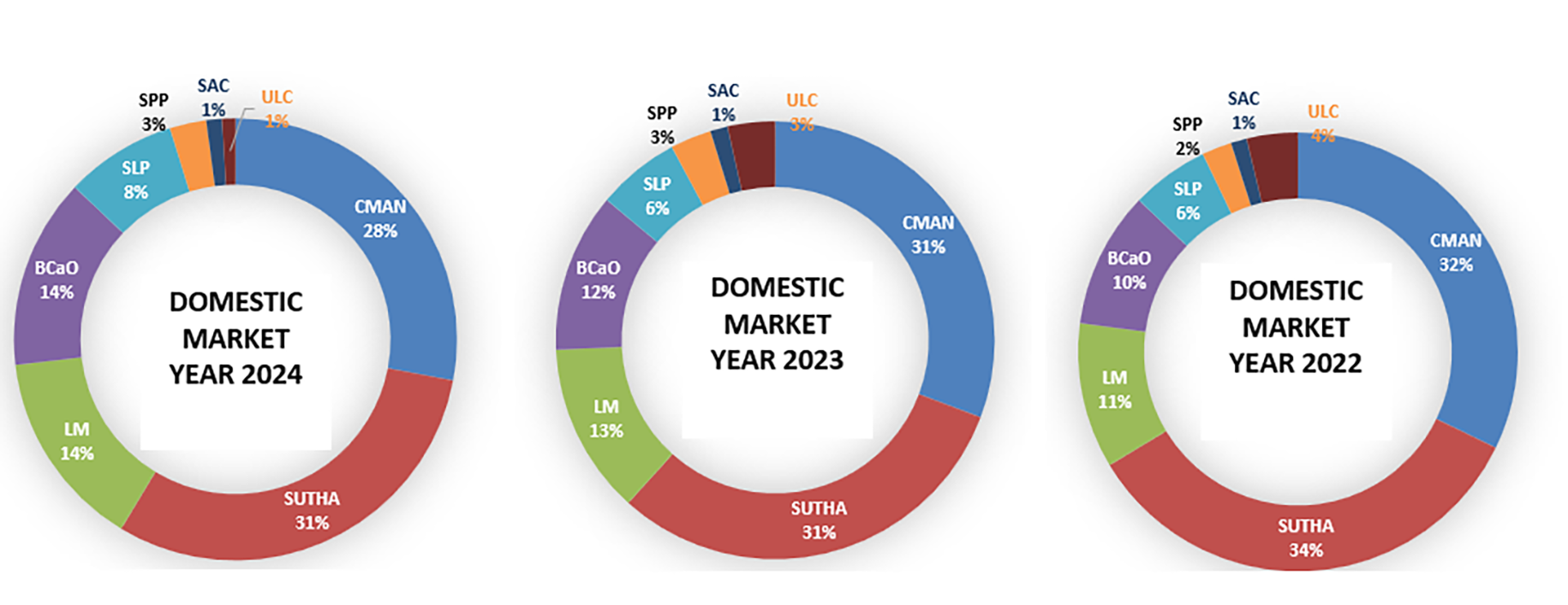
Trends in market growth and individual producer performance
| According to financial reports from the Department of Business Development (2022–2024), revenue trends across the eight lime producers display notable disparities. SLP has shown steady progress, with revenues up roughly 1% in 2022 and 2023, followed by a significant 20% surge in 2024—positioning it as the fastest-growing producer among its peers. CMAN, despite being the largest player, shows volatility: revenue grew 10% in 2022, declined slightly by 1% in 2023, and rebounded with an 8.7% increase in 2024. SUTHA achieved a 5% growth in 2022, but its momentum slowed in 2023 as it began to lose market share. Revenue fell by 7.4% in 2024, mainly because the strategy to keep prices steady led to reduced market share. Summary: SLP demonstrates strong growth driven by its pricing strategy, while CMAN, despite maintaining a high revenue base, faces volatility. In contrast, SUTHA has not adopted pricing policies to gain market share and is under pressure from price competition and ineffective market strategies, resulting in the loss of its competitive advantage in the quicklime market. |
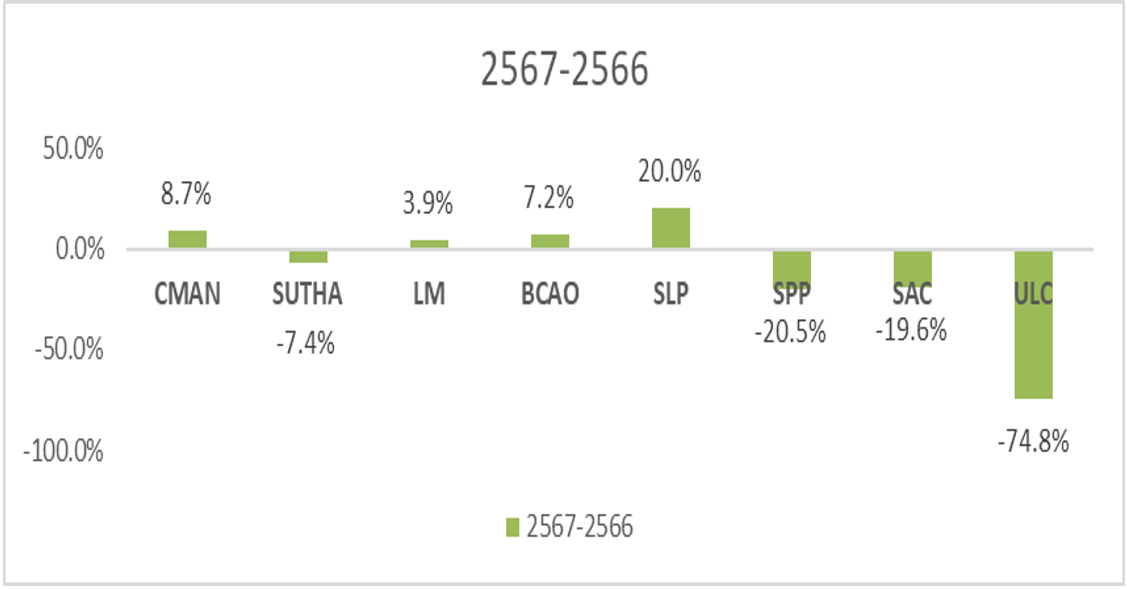
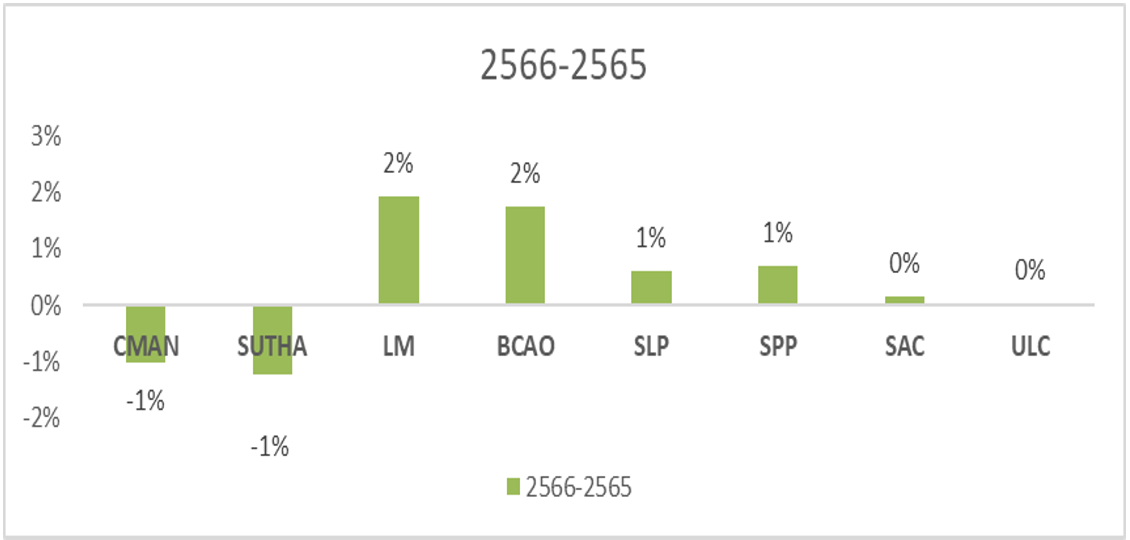
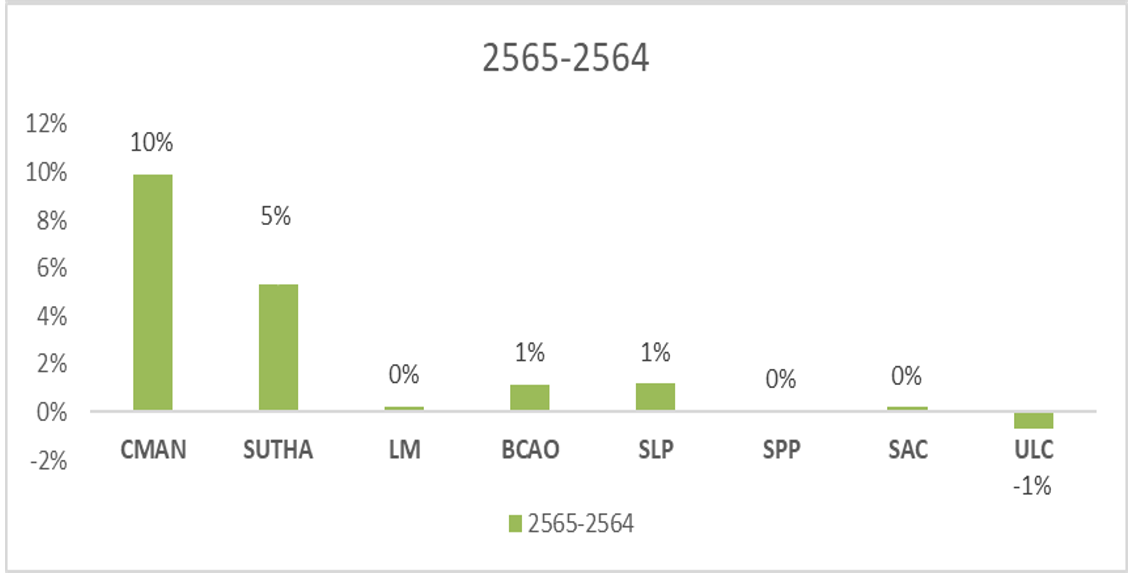
competitive advantages and opportunities for lime producers.
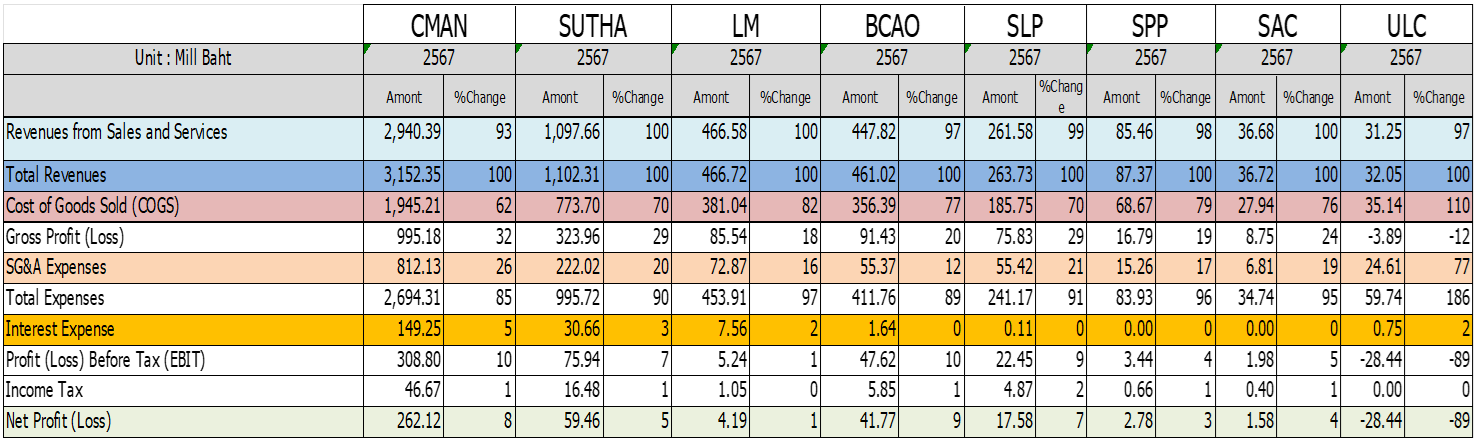

CMAN
Strengths:
Highest revenue and net profit in the group; Gross Margin (GM) at 31.6%, reflecting strong cost control and product quality.
Largest total assets and shareholders’ equity, indicating strong investment capacity and expansion potential.
Weaknesses:
High SG&A expenses (25.8% of revenue) and interest burden (4.7%), reducing net margin to 8.3%.
Significant total liabilities, especially long-term debt, leading to high interest costs.
Competitive Advantage:
Large business scale with strong bargaining power in the supply chain, supporting market share retention and revenue stability.
High fixed assets to sustain large-scale production.
SUTHA
Strengths:
Solid Gross Margin (29.4%) and consistent cost management.
Second-largest total assets and equity, reflecting investment and expansion capability.
Weaknesses:
Continuous revenue decline, reducing net margin to 5.4%.
High total liabilities and slight decrease in total assets.
Competitive Advantage:
Consistency in product quality and cost control.
Strong capital base relative to business size, ensuring production continuity.
LM
Strength:
Low SG&A (15.6%) and low interest burden (1.6%).
Low total liabilities and increasing shareholders’ equity.
Weaknesses:
Low Gross Margin (18.3%) resulting in minimal net profit (0.9%).
Small asset base limits growth potential.
Competitive Advantage:
Room for price-based strategies due to low operating expenses.
Low financial risk enhances flexibility in pricing strategies.
BCAO
Strengths:
Highest net profit in the group (9.1%), lowest SG&A (12%), and very low interest rates (0.36%)
Higher shareholders' equity and lower total debt
Weaknesses:
Revenue is still lower than LM, despite better performance
fewertotal assets
Competitive Advantage:
Excellent cost and financial structure, providing flexibility for sales expansion and additional investment
Strong financial structure, high flexibility, and low risk
SLP
Strengths:
High growth (+20% YoY) and no interest burden
Increased shareholders' equity and growing total assets
Weaknesses:
High SG&A (21% of revenue)
High total debt relative to size, with significant increases in long-term debt
Competitive Advantage:
Ability to expand markets and continue investing without pressure from financial costs
Growth in assets and capital reflects business expansion potential
SPP and SAC
Strengths:
No interest burden This results in price flexibility.
Very low total debt
Weaknesses:
Small revenue base and declining revenue trends
Very few total assets
Competitive Advantage:
Flexibility in price competition and market strategy adjustments
Low financial risk results in price flexibility, but low business expansion potential
ULC – operation suspended
Weaknesses:
Heavy losses, negative gross profit, and very high SG&A (76.8%)
Significantly reduced total assets, low shareholder equity, and high long-term debt
Competitive Advantage:
Low debt burden compared to larger players
Weakened financial structure
A review of the strengths and weaknesses of the 8 lime producers indicates that SUTHA continues to encounter significant competition in its core market, leading to a reduction in market share and posing substantial risks to its overall performance.
To mitigate and mitigate this risk, SUTHA urgently needs to adjust its strategy, focusing on:
Increasing sales
Adjusting prices to retain its customer base
Addressing market share decline, with observable impacts expected from 2023 onwards
SUTHA's large business size and strong capital base position it well for market expansion and investment in technology to improve efficiency and reduce competition in its core business.
Key strengths and prospects for lime producers from financial ratios
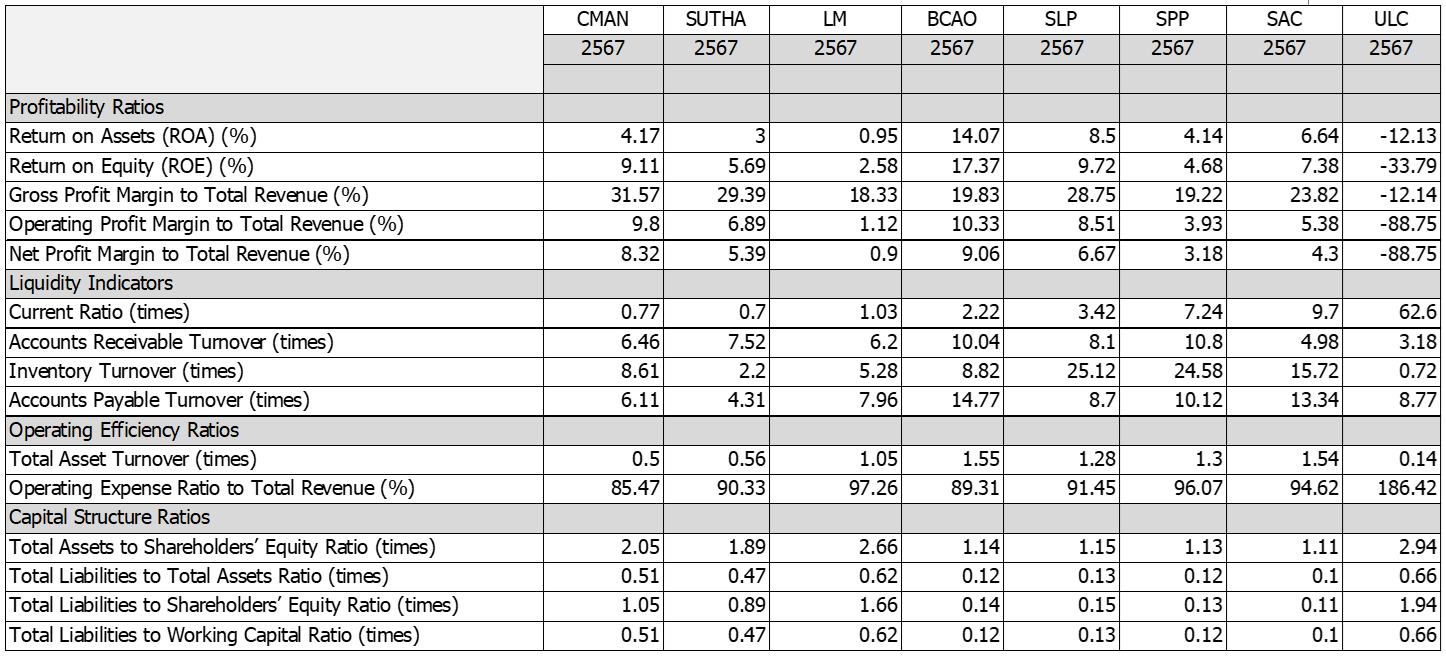
Profitability Ratios
ROA (Return on Assets):Measures how efficiently assets generate profit; higher is better.
ROE (Return on Equity):Shows profit from shareholders' equity; higher indicates stronger performance.
Gross Profit Margin:Gross profit divided by revenue, gauges production cost control.
perating Profit Margin:perating profit as a percentage of revenue, shows cost management efficiency.
Net Profit Margin:Net profit after taxes and interest as a percentage of revenue, reflects overall profitability.
Liquidity Indicators
Current Ratio: Current assets divided by current liabilities. A higher ratio indicates better short-term debt-paying ability.
Accounts Receivable Turnover: Frequency of collecting receivables. A higher ratio shows effective credit and collection management.
Inventory Turnover: Frequency of inventory turnover. A higher ratio indicates efficient inventory management.
Operating Efficiency Ratios
Total Asset Turnover: Revenue generated per unit of assets. A higher ratio reflects better asset utilization.
Operating Expense Ratio: Operating expenses as a percentage of revenue. Lower is better, indicating cost efficiency.
Capital Structure Ratios
Total Assets to Shareholders’ Equity: Indicates leverage. A higher ratio means greater reliance on debt financing.
Total Liabilities to Total Assets: Shows the proportion of assets financed by debt. A higher ratio signals higher financial risk.
Total Liabilities to Working Capital: Reflects liquidity risk from debt relative to working capital.
Producers with Strengths and Weaknesses in Profitability
BCAO: Demonstrates outstanding performance with ROE (17.37%) and Net Margin (9.06%), indicating high profitability and strong returns.
CMAN: Stands out with the highest Gross Margin (31.57%), reflecting superior cost control.
ULC: Shows significant weakness due to negative financial ratios caused by heavy losses.
Producers with Strong Liquidity
SPP and SAC: Notable for high Current Ratios (7.24 and 9.7), indicating excellent short-term liquidity.
CMAN: Low Current Ratio (0.77), signaling tight liquidity conditions.
Producers with high Operating Efficiency Ratios
LM: High Asset Turnover (1.05), showing effective utilization of assets to generate revenue.
ULC: Extremely low Asset Turnover (0.14), indicating poor asset efficiency.
Producers with Strengths and Weaknesses in Capital Structure
CMAN: High leverage (Liabilities/Assets = 0.51), reflecting significant debt and interest burden.
BCAO and SPP: Very low leverage (0.12 and 0.13), offering an advantage of low financial risk.
Analysis of SUTHA Based on Financial Ratios
Profitability: Moderate results; growth slows. Gross Margin: 29.39%, Net Margin: 5.39%. Production costs are managed efficiently, but net profit is limited by expenses and lower revenue.
Liquidity: Current Ratio of 0.70 signals tight liquidity and increased working capital risk; needs careful control of receivables, inventory, and payables.
Asset Utilization: Asset Turnover is 0.56 and AR Turnover is 7.52x, indicating efficient collections. Inventory turnover is low at 2.2x, indicating higher working capital use and stock risk compared to peers.
Capital Structure: The Debt-to-Assets ratio stands at 0.47, while the Debt-to-Equity ratio is 0.89; both metrics indicate manageable leverage levels. Reducing short-term debt is preferable for maintaining sufficient liquidity.
Competition in lime industry (GRI: 206-1)
The Company follows a code of conduct and guidelines for dealing with competitors that includes best practices in commercial competition (Antitrust/Anticompetitive Practices), such as complying with the law and ensuring fair competition in all business activities. This includes evaluating the competitive situation in product sales for the company's products. Here are the details: (GRI: 206-1)
Lime Products
Competition Level: Customer Industries
High Competition: Steel, Chemical, Sugar, Mining
Moderate Competition: Pulp and Paper, Agriculture, Construction, Water Supply,
Waste and Wastewater Treatment, Energy, Leather and Tanning, Oil Drilling
Calcium Carbonate and Calcium Carbonate Powder (GCC)
Competition Level: Customer Industries
High Competition: Pulp and Paper, Rubber Industry, Ink and Paint, Animal Feed
Moderate Competition: Construction
Marble Products
High competition from substitute products and imported marble
Procurement of Products & Services
Reporting Mode
3117
Procurement (Overall)
Procurement Policy,
Product and Service Management,
and Sustainable Value Chain Management
Golden Lime Public Company Limited
To ensure that the procurement process is both effective and efficient, characterized by transparent, fair, and auditable operations, the company has implemented a procurement policy. This policy includes guidelines for the management of products and services in alignment with international quality management system standards such as ISO 9001, ISO 14001, and ISO 45001. Additionally, the company is committed to the development of trading partners to facilitate sustainable supply chain management, as outlined below.
Procurement will be carried out in accordance witha selection process that adheres to this Code of Conduct to engage partners capable of providing products and services that fulfill requirements efficiently and effectively, with a focus on quality, pricing, and service delivery.
The procurement process emphasizes SUTHA business ethics by ensuring the provision of accurate, complete, and transparent information, while treating all business partners equitably and valuing their feedback and suggestions.
Procurement activities will be executed with transparency, fairness, and accountability, strictly adhering to applicable regulations and laws as well as guided by risk management protocols, internal controls, and oversight to ensure compliance with corporate governance policies and sustainability development frameworks.
The procurement and business partnerships will be conducted with a focus on sustainability, taking into account environmental effects, social obligations, and the tenets of sound governance (Environmental, Social, and Governance: ESG). This entails overseeing business partners to guarantee compliance with the Supplier Code of Conduct (SCOC), which acts as a framework for sustainable supply chain management for effective business partner management, fostering strong relationships, and enhancing collaborative potential for ongoing joint development.
Knowledge management will be prioritized between the company and its business partners, as well as relevant stakeholders, to collaboratively advance technology and innovation for improved business management and operations.
Goods and service management
Golden Lime Public Company Limited
The company is committed to the sustainable procurement of goods and services, with excellent, transparent and fair operations, adhering to the principles of governance, environmental management and social care in the issues that the Company prioritizes and in line with the sustainability development to support business partners and stakeholders to acknowledge the policy as a guideline for practicing in the same direction in procuring goods and services throughout the supply chain and supporting business partners and stakeholders to acknowledge the policy as a guideline for practicing as follows:
The evaluation of business partners/sellers' performance will be conducted across various categories based on established criteria, as outlined below:
1. products and raw materials
This includes limestone, aggregates, coal, packaging, and general products, which will be assessed through two primary evaluations:
1.1 Quality:
Product characteristics in relation to specifications
Raw materials evaluated through its documented certificates, physical inspections, and quality standard compliance reports
Packaging assessed based on documentation and adherence to quality standards
General products evaluated for their alignment with user requirements
1.2 Service:
Timeliness of delivery, ensuring it does not exceed the agreed-upon schedule and that quantities are delivered accurately
2. service work include:
2.1 Truck services, evaluated based on quality and service performance
2.2 Truck rentals for raw material transportation, where quality is determined by the condition of the materials, ensuring they are properly covered and transported in good condition, with accurate weight measurements. Service evaluation will include adherence to delivery timelines, driver performance, and staff coordination.
2.3 Machinery repair services, where quality is assessed based on the operational efficiency of the machinery post-repair.
2.4 Goods Packaging
Quality: Refer to the random weight verification checklist included in the goods transfer report.
Service: Evaluate based on the scheduled delivery timeframe.
2.5 Calibration services
Quality: Must be certified in accordance with international standards.
Service: the delivery timeline and Post-Delivery Support
3. Contractors and Service Providers
3.1 Safety Consideration
3.2 Environmental Consideration
3.3 Quality Consideration
The business partner acknowledges and adheres to the Supplier Code of Conduct (SCOC), which serves as a framework for sustainable supply chain management, fostering positive relationships, and promoting opportunities for ongoing collaborative development.
Procurement Process
1. Users submit a purchase request form (RO) detailing their product and service needs, which must be approved by the department head or manager, along with any necessary attachments.
2. The procurement department verifies the completeness of the request, including product type, quantity, packaging, and samples for pricing inquiries.
3. A vendor is selected, and pricing is requested based on the provided details.
4. The procurement team evaluates and compares vendor pricing based on product value.
5. A purchase order is submitted for executive approval per the accounting system's authority criteria.
6. In urgent cases affecting quality, users may seek initial approval from the department manager with written justification and notify procurement to expedite the order.
Upon receipt, the user inspects the goods for issues. The procurement department conducts vendor evaluations every six months and reassesses vendors if product quality changes.
Vendor Quality Review
Vendor evaluations occur annually in December. If there has been no trading activity in five years, the purchasing department will notify the accounts team to update the vendor's status.
Sustainable supply chain management
Golden Lime Public Company Limited
In managing the sustainable value chain, suppliers are important stakeholders who participate and promote the sustainable supply chain. Developing suppliers to jointly manage the sustainable supply chain following the UN Global Compact framework in 6 steps as follows:
1. The Supply chain sustainability declaration
1.1 Determine the vision and goals of the Supply chain sustainability
1.2. Establish Supplier Code of Conduct covering social and/or environmental issues to demonstrate the company's commitment to support its partners in their operation and ensuring an ethical and responsible manner to society and environment.
2. Conduct risk assessment and identify risks in ESG throughout the supply chain, study business activities throughout the supply chain to assess and manage partners, for example, key suppliers, strategic suppliers, etc.
3. Identify goals, strategies and policies for sustainable supply chain management, set criteria to classify suppliers for example, trade value, types of traded products/ services, etc.
4. Implement strategies, policies, and plans
4.1. Determine roles and responsibilities in the supply chain management within the organization
from the company's directorial level to the related departments, such as purchasing department, production department, quality inspection department, warehouse, and delivery, etc.
4.2. Arrange process/ methods to identify economic risks (e.g., the risk of few partners, noncompliance products/services), social (e.g., human rights, employees, and labor), environment and reduction of impacts and the encouragement of positive biodiversity (such as compliance with laws, regulations, environmental standards, prevention of impacts on the ecosystem, and encroachment on protected areas of biodiversity) caused by the Company's partners.
4.3. Supplier engagement to communicate the Company’s expectations and commitments towards sustainability development and corporate in better the competitive abilities and supply chain involvement.
5. Performance evaluation and operation monitoring
5.1. Monitor compliance of the supplier’s code of conduct such as the supplier's self-assessment or site visit, etc.
5.2. Provide initiatives to include partner’s sustainable business operations into the Company’s direction
6. Communicate and disclose strategies and procedures in working with the partners to develop towards the sustainablesupply chain management covering from suppliers’ risk assessment, suppliers’ management, partner's evaluation, and development activities in both commercially and sustainably.
Production and capacity
There are 3 Production Plants as follows; | |
Branch 2: Chongsarika, Pattananikom, Lopburi (CS plant) Lime Production Plant (6 kilns: K1-K6) Lime Capacity: 328,500 tons/annum ML Capacity: 91,000 tons/annum HL Capacity: 157,000 tons/annum CaCO3 Capacity: 26,000 tons/annum |
|
Branch 3: Huai Pa Wai, Prabuddhabaht, Saraburi (HW plant) Lime Production Plant (1 Kiln: K7) +(1 Kiln: K8 in future) Lime Capacity: 55,000 tons/annum |
|
Branch 4: Pukrang, Prabuddhabaht, Saraburi (PB plant) Lime Production Plant (2 Kilns: K9-K10) Produce Quicklime and new product Dolime Lime Capacity: 110,000 tons/annum ML Capacity: 92,000 tons/annum |
|
Note: Referring to the kiln capacity data 1 year as 365 days and kiln capacity at 150 TPD or 150 tons / day / Kiln (excluding lost hours or hours of Kiln shutdown maintenance) | |
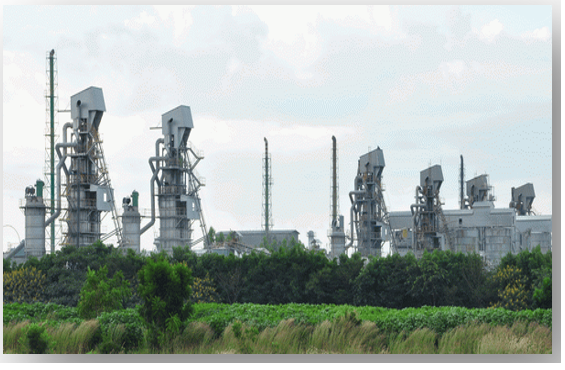
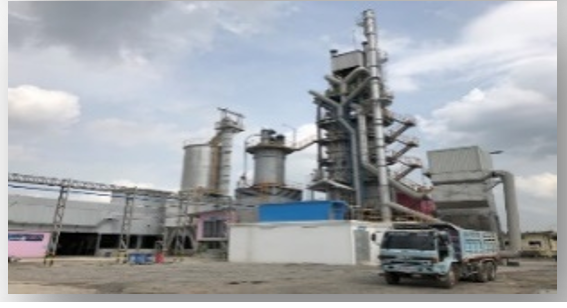
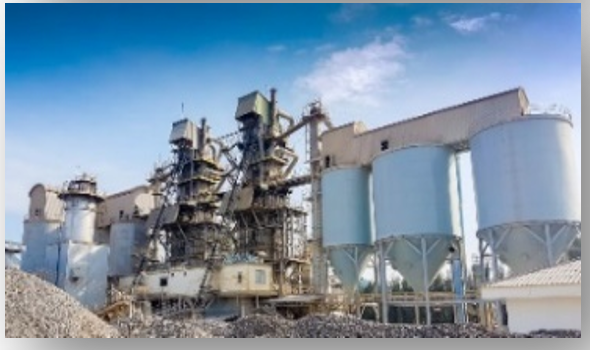
The Company, along with its subsidiary, operates three production facilities: the Chong Sarika factory, the Huai Pa Wai factory, and the Prabuddhabaht factory. Each facility is equipped with essential machinery, including lime kilns and various production equipment.
In 2025, the total number of kilns utilized for production are nine, with an annual production capacity of 492,500 tons. Additionally, the Dolime Briquetting machine has a capacity of 52,000 tons per year, while the calcium hydroxide production machine can produce over 157,000 tons of hydrated mortar annually.
The primary production process involves the operation of lime kilns, which function continuously, 24 hours a day. These kilns operate as closed systems that require sustained heat to achieve the necessary burning temperature. Consequently, any prolonged disruptions to the kilns necessitate a significant amount of time to reignite and heat them to approximately 900 degrees Celsius. The Company has scheduled regular maintenance and repair intervals for the kilns; however, the production process remains uninterrupted outside of these planned maintenance activities. Major refractory maintenance is typically conducted every five years, contingent upon the condition of the brick walls, as well as the types and properties of the raw materials and fuels used.
Raw Material Acquisition (Overall)
Key Raw Materials for Production
The main raw materials for lime production and Dolime product are limestone or dolomite and fuel. The major raw material for coated and uncoated calcium carbonate production is calcite, and the main raw material for producing calcium powder is marble chips. At present, the Company sources limestone from Saraburi Province and Lopburi Province sources with quality that meets the Company's requirements. The Company purchases limestone, dolomite and calcite from up to 4-5 suppliers. A team of geologists, along with control and quality assurance team are dispatched to explore limestone quality and collect samples from both current and new sources of purchases.
1) Limestone Limestone serves as the primary raw material for the manufacture of calcium oxide and calcium hydroxide. This sedimentary rock is predominantly composed of calcium carbonate (CaCO3), typically in the form of the mineral calcite, along with other components such as magnesium oxide (MgO) and silica (SiO2). |
|
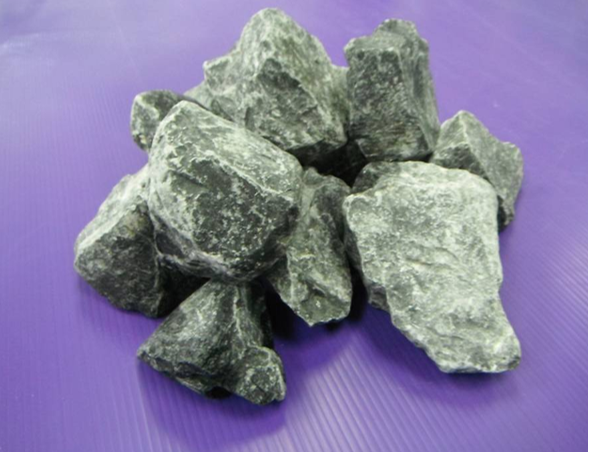
The Company has entered into a long-term TMC-GL Kiln Feed Limestone Supply Agreement, which includes the establishment of a quarry management team to oversee operations at the Khao Khao quarry, as per concession number 32517/16065. This agreement enables the Company to obtain high-quality limestone with a significant calcium carbonate content from the quarry. Approximately 80% of the Company’s kiln feed stone is sourced from TMC, with the remainder supplied by local vendors in Saraburi and adjacent provinces.
The limestone acquired from TMC’s quarry is of superior quality, characterized by a high calcium carbonate content, making it ideal for lime production. The long-term Kiln Feed Limestone Supply Agreement with TMC is exclusive, granting TMC the sole right to supply this limestone with the Company.
In 2023, SUTHA achieved its objective of securing production supply by successfully renewing the concession for the Khao Khao quarry, which is operated by Thai Marble in Saraburi Province. This subsidiary is responsible for supplying kiln feed stone necessary for producing the required quality of quicklime. SUTHA acquired Thai Marble Co., Ltd. through the purchase of common shares from the original shareholders in 2020 and successfully renewed the concession certificate, which was set to expire in October 2023, for an additional 20 years. This renewal ensures SUTHA's ability to address growth challenges and maintain security and stability for its business and stakeholders.
The quarry management of Thai Marble Corporation Co., Ltd.
(a subsidiary)
The supply of Limestone, which constitutes 80% of the key raw material for lime production, is secured through a long-term Arm's Length Basic agreement with the quarry management of the Khao Khao quarry, as per concession number 32517/16065. This concession was successfully renewed in October 2023 and will remain valid until October 29, 2043. The Company has engaged quarry management to guarantee compliance with performance obligations.
Limestone quarrying at Khao Khao quarry | Internal controls |
Core process;
4.1) weighing limestone at the quarry before delivering to the mill
6.1) weighing KFS_Land KFS_S at the mill front before delivering to GL 6.2) weighing Ready Mix and aggregates for TMC’s customers | 1. The quarrying management is responsible for planning and controlling, supervising, and monitoring the contractors for carrying out the plans and work processes at the quarry. 2. Upon blasting, weighed quarried limestones are transported from the quarry to the mill by internal trucks and an external fleet of contractors which transport limestone to the mill. 3. A contracted mill that receives quarried and weighed limestone. To proceed milling according to the assigned plan; 3.1 High-Calcium Limestone KFS_L sized65-115 mm KFS_S sized30-35mm to deliver to the GL plants 3.2 Ready Mix sized 15-25 mm for construction and cement to be distributed to GL customers and to the mills to supply their customers. |
Limestone quarrying at Khao Khao quarry | Internal controls |
7) Risk management practices conducted to the quarrying contractors to ensure safe and complaint process | 3.3 Construction aggregates
and scraps as by products from milling process to be sold to stone mills and to other customers. One controlling point is weighing each product type as stringent control is conducted to each product type, grade, quantity, and storage practices. Internal Controls are implemented to the invoicing and receiving process conducted by TMC Accounting Department and the Stone Mill to oversee and inspect and risk mitigating practices such as CCTV ,Stock counting by the company or independent external auditors on a periodic basis to confirm and calibrate the actual counted quantities with the stock quantities of the stone milling plant, etc. |
Quarrying management is conducted and controlled by Golden Lime Public Company Limited, including subcontractors who pass the suppliers evaluation as for internal control and risk management according to the supply chain management that includes ; 1) ensure compliance with legal and occupational health and safety standards, while adhering to human rights principles, to prevent any negative effects on stakeholders involved. 2) regulating production to guarantee that limestone quantities align with the plan and meet product demand, while also managing production costs for optimal efficiency. 3) Internal controls and risk management involve verifying production volume accuracy, proper sorting and storage of products, overseeing Ready Mix stone inventory, and managing unsold stone inventory to avoid loss or depreciation. The limestone quarry management will collaborate with the accounting department of Thai Marble Co., Ltd. to monitor and confirm the inventory of stones received for production and those sold to customers, as well as checking unsold stock against recorded inventory values. 4) Managing business partners, particularly contractors involved in limestone production at the mine and stone mill, is crucial. Important business partners will be categorized into a Tier 1 group for close monitoring, with scheduled Supplier Site Visits for relevant personnel to assess operations and ensure adherence to internal control processes and risk management for trading partners. 5) Management will establish control and oversight measures to reduce impacts related to legal compliance, financial performance, and operational processes, while also mitigating risks associated with these impacts. | |
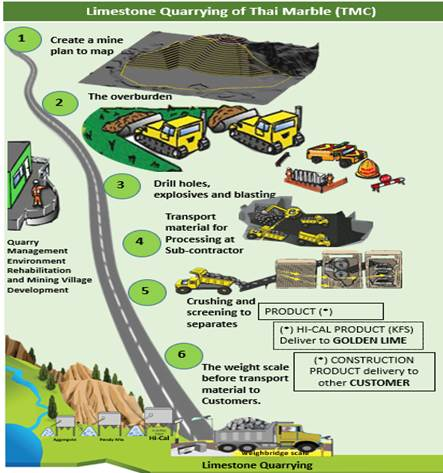
In 2025, management reassessed the company’s limestone sourcing strategy by reviewing supply quantity, quality, and the ability to meet customer specifications. The evaluation confirmed that limestone from the Khao Khao quarry does not fully satisfy the chemical property requirements of certain customers. As discussed in the Audit Committee meeting, this limitation has led management to reduce reliance on Khao Khao and shift toward procuring limestone from other external suppliers to ensure product quality and customer satisfaction.
As a result, the company revised its procurement plan to incorporate a higher proportion of externally sourced limestone. This transition is expected to increase the average raw material cost compared to using limestone from subsidiary operations and may have long-term implications on production expenses and future asset valuation, including potential impacts on impairment assessments for quarry assets and the investment in TMC.
Preventive measures in quarrying (GRI:403-7)
Controls and preventive measures to ensure procedural safety for operators and stakeholders are conducted by mean of the Supplier Site Visit.
Set a mutual safe work practices and required standards in arranging safety training by professional safety officers to educate and monitor safety at work control as well as environmental impacts from the subcontractors work process to develop safe work practices leaving no impact to both social and environmental aspects.
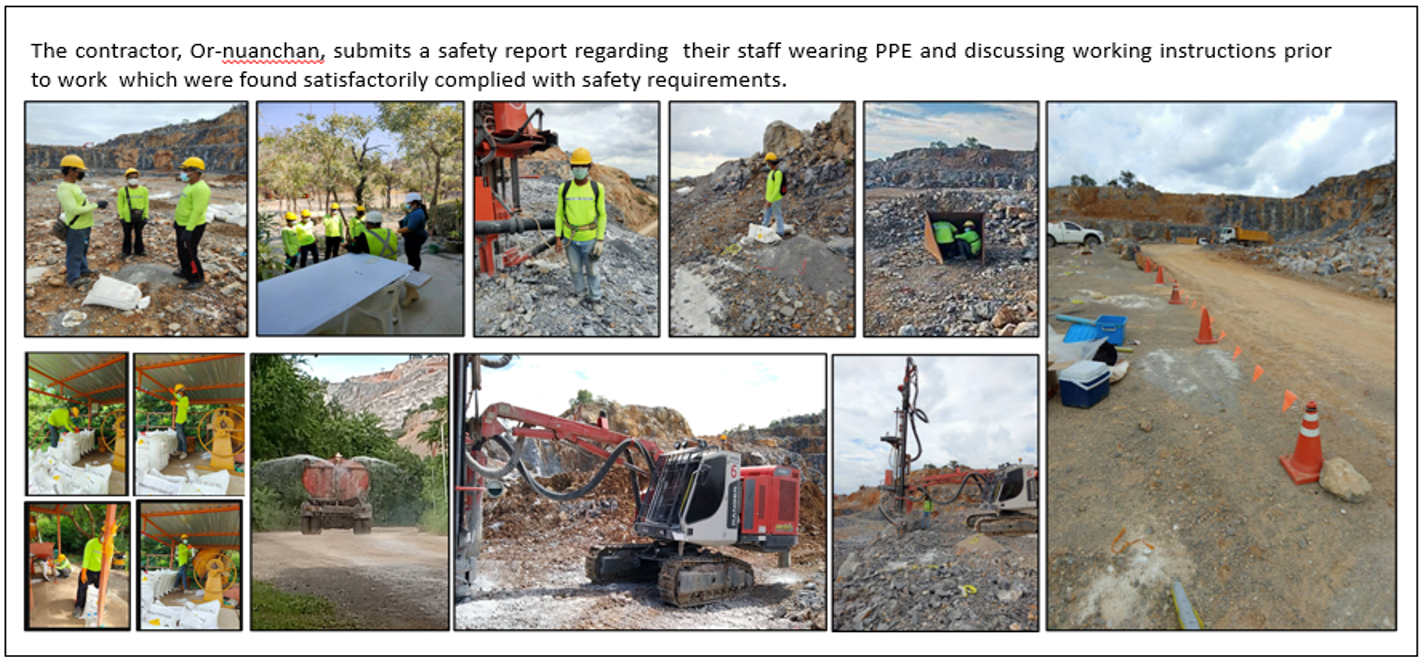
Locating geologists to survey and identify potential impact to set preventative measures.
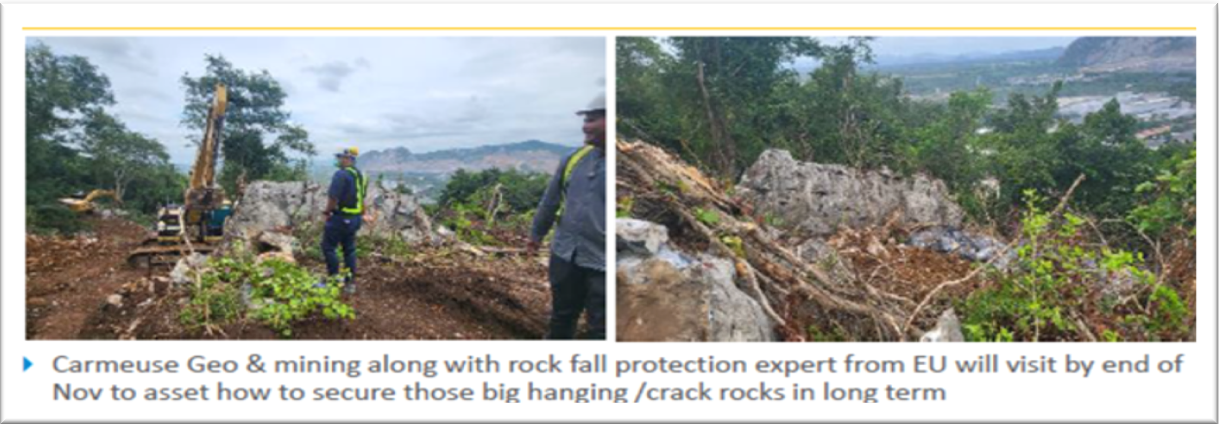
Allocate budget for the rockfall protection barriers at limestone slopes as mitigation measure limiting limestone rolling away from mining areas.
The mitigation measure in case the raw materials of the subsidiary cannot suffice the production demand is that the Company will purchase raw materials from other limestone producers as an offset to missing quantity and maintaining relationships with them to secure limestone supply and safe inventory stock to ensure business stability and continuity.
2) Dolomite / Dolomitic Limestone Dolomite is the main raw material for the production of Calcium Magnesium Oxide or Dolime. Dolomite is one of the Limestones mostly consists of Calcium Magnesium Carbonate (CaMg(CO3)2) and other substances such as Silica (SiO2). Dolomite has the same origin as Calcite found in Dolomitic Limestone by the secondary deformation by replacing the existing Lime by Magnesium or occurs in the Lead or Zinc which cut through Limestone. Dolomite has a dense texture visible in white, grey, pink, green, brown or black and well dissolve in water. In Thailand, Dolomite is prevalent in Karnchanaburi, Suratthani, Krabi and Song-Khla etc. |
|
3) Calcite Calcite is the most stable carbonate mineral in the mineral group with chemical formula, i.e. calcium carbonate (CaCO3). This is the crystalline rock with non-toxic properties, normally white or colorless, shiny like transparent to translucent glass, highly bright and can disperse well. In Thailand, calcite is common in limestone provinces and prevalent in Lopburi Province, Saraburi Province, Chanthaburi Province, Kanchanaburi Province, Chumphon Province, Surat Thani Province, Nakhon Sawan Province and Phetchaburi Province 2 / 1 / Information from the Department of Mineral Resources, Ministry of Natural Resources and Environment and Wikipedia. 2 / Mining operators must request patents and relevant licenses such as licenses for purchase, use, and transport of explosives. |
|
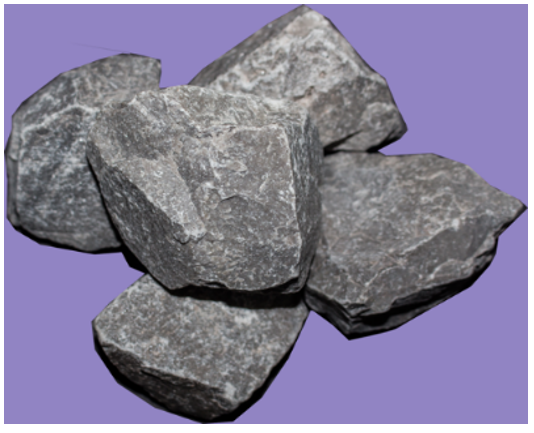
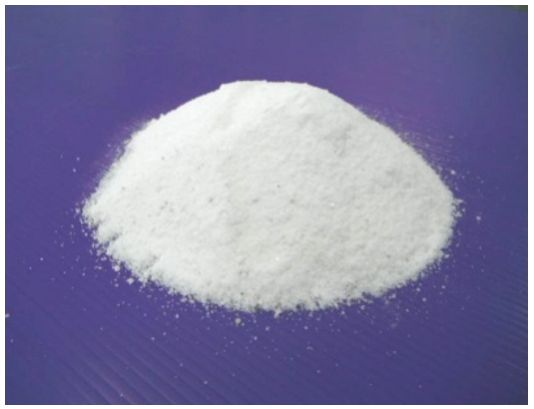
The Company uses calcite crushed into flakes as raw material to produce Uncoated Calcium Carbonate and Coated Calcium Carbonate. This is suitable for use as Filler in the rubber and plastic industry or as the whitening enhancer. The Company orders calcite from about 3-5 domestic suppliers. Selection is based on the quality of calcite rock, whiteness, price and service of suppliers. The Company is responsible for the costs of goods and transportation. The Company dispatches a geological and quality assurance team to randomly check the quality of calcite rock at the quarries regularly to ensure the quality of calcite ordered.
4) Marble Scrap for Calcium Carbonate Powder of TMC
TMC converts the marble scrap excess from the production of the marble-finished goods into calcium carbonate powder (CaCO3) to maximize the use of raw material. The raw material for the production of Ground calcium carbonate is derived from the by-product of the marble blocks production process, which is known as a source of fine raw materials and high quantity of natural calcium carbonate and can be used as primary raw material of other industries as well.
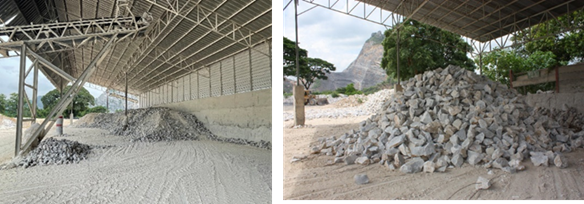
Rocks that have been shredded and prepared for use as raw materials for calcium carbonate production.
5) FuelCoal
The Company's Fuel Procurement and Risk Management
Key Procurement Strategies:
Identifying dependable suppliers that present low transportation risks and minimal losses during transit.
For international imports, evaluating the dependability of suppliers, transportation providers, and insurance firms.
Ensuring that fuel selection adheres to the necessary specifications, thermal characteristics, quantity, and pricing that are appropriate for processing and storage.
Management and Risk Mitigation in Fuel Procurement:
Improved Fuel Sources:
Acquiring fuel with enhanced thermal characteristics to promote efficient combustion in production processes.
Sourcing from both domestic and international producers, consistently engaging with 2-3 primary domestic suppliers.
Procuring from additional international suppliers based on their reliability, product quality, quantity, and pricing.
Price and Risk Assessment:
Gathering and analyzing price information from a range of suppliers.
Assessing supplier risks and comparing prices prior to making supplier selections.
Adhering to a predetermined import schedule for future shipments.
Inventory Management:
Preparing for possible delays in international fuel deliveries by maintaining an adequate inventory.
Managing inventory levels to satisfy company requirements for a duration of 3-8 months, contingent upon working capital management.
Utilizing low interest working capital while managing risks associated with fixed and floating interest rates.
Production Process Improvement for Fuel Versatility:
Advancing production processes to accommodate fuel from both domestic and international sources.
Executing the FLEX_FUEL initiative to utilize various grades of coal from multiple suppliers.
Sourcing bituminous or steam coal and processing it to the necessary sizes for diverse industries.
Supplier Reliability and Safety:
Acquiring fuel from suppliers with a proven trading history or a reputable database.
Maintaining relationships with more than 2-3 suppliers, both domestic and international, who can reliably provide the required fuel quality and quantity at competitive prices.
Management Guidelines for Import Fuel Procurement:
Price Evaluation:
Analyze trends in fuel pricing and available offers, making comparisons with local market rates.
Consider utilizing international fuel suppliers if they present lower costs.
Engage Premthai Energy Limited (PEL) for procurement and negotiations with suppliers under a service agreement with SUTHA.
Import Considerations:
Take into account the volume and value of shipments, ensuring compatibility with storage capabilities and letter of credit (L/C) restrictions.
Prioritize cost-efficient transportation to Koh Si Chang.
Supplier Dependability:
Procure from established, registered international producers and suppliers.
In 2023, procurement for Indonesian fuel sources, taking into account regulatory requirements, transportation logistics, and supplier reliability.
Risk Mitigation:
Evaluate the performance record and dependability of suppliers to minimize risks of non-compliance.
Proactively manage potential delays in loading and shipping processes to mitigate associated risks and impacts.
Inventory Management and Insurance:
Inbound Logistics Management for Raw Materials The Company oversees transportation operations to ensure adherence to legal standards and to mitigate environmental and community effects. The following guidelines and practices are established for the transportation of fuel by partners and contractors: Legal and Environmental Compliance:
Operational Guidelines:
Traffic Management:
Route Planning:
Load Securing:
|
|
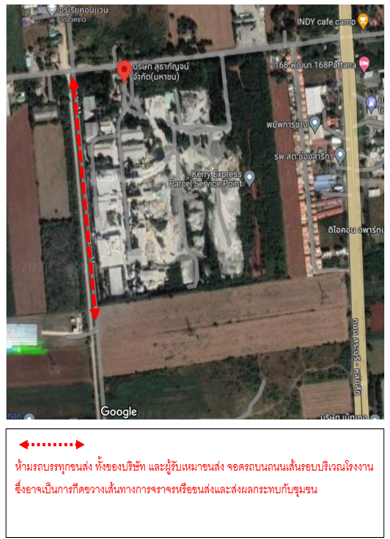
Dust prevention in bulk material transportation and handling to reduce Dust Exposure
Marine logistics | In-land logistics |
Using canvas to reduce airborne dust | |
|
|
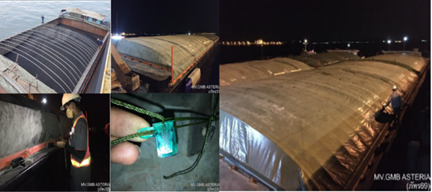
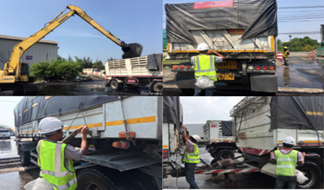
Production Policy (Overall)
Production Policy
Production Policy and Strategy
Golden Lime Public Company Limited
Production Policy: To align with sales strategies and targets, ensuring the high-quality products that meet product standards and customer specifications, all while maintaining cost control and minimizing waste.
Objective: Production output shall meet quality standards and customer requirements while considering environmental, community, societal, safety, and occupational health impacts
Operational Strategies adhering to “Operational Excellence”
Safe Process, Personal Safety and Environment
Compliance with the Occupational Safety and Health standards; implementing safe working procedures throughout the production process and managing environmental practices within the organization, thereby ensuring the highest performance standards in alignment with the organization's safety protocols.
Quality Excellence
Emphasizing manufacturing high-quality products. The ongoing marketing efforts address a variety of market demands to maintain a competitive edge sustainably, while exclusively providing the highest quality offerings.
Energy
Mitigating environmental impact through efficient energy utilization, investing in solar energy, renewable energy, and low-carbon energy initiatives. Additionally, effective management of energy resources is essential to maintain stability and ensure uninterrupted production processes.
Project Development and Execution
Formulate investment initiatives aimed at enhancing processes, ensuring operational continuity, and generating opportunities for business expansion by effectively managing risks and protecting investments until the projects are systematically completed under stringent oversight.
Yield and Supply Chain
Emphasizing the production processes to enhance manufacturing efficiency in order to achieve a competitive edge.
Reliability
Prioritizing the maintenance of machinery for enhancing production efficiency to satisfy market demands.
Cost Effectiveness
Efficiently controlling and managing costs through the utilization of various tools, including Statistical Process Control (SPC) and Lean Manufacturing, aims to enhance the value of products and services while striving for the optimal use of resources.
peration to ensure business and operation sustainability by implementing innovative management tools and techniques, which include:
1) Strategydefining consistent paths and goals
2) CultureEncouraging employees to work together to create new ideas and implement innovations that enhance work, processes, or products.
3) Processcapable of measuring, replicating, and achieving success.
4) Tool & Techniquesemployed to encourage innovation.
5) MatricesPerformance metrics to evaluate effectiveness with measurable capacity.
Distributors (Overall)
Limestone producers and raw material partners.
The company sources limestone from suppliers with mining licenses in nearby areas, including limestone sources in Saraburi and Lopburi provinces, which meet the company’s quality requirements. Currently, the company purchases limestone raw materials for its main production process from Thai Marble Company Limited (“TMC”), a subsidiary. TMC operates a mining business, and the company manages the limestone mine to ensure sufficient raw material supply. The company has entered into a long-term limestone purchase agreement with TMC, effective since 2020, with a policy to procure 80% of the required limestone volume from TMC.
In 2025, the company revised its strategic plan to diversify the use of raw materials by assessing and selecting alternative limestone sources. This initiative aims to secure suitable limestone characteristics for producing products that require specific properties. Currently, there are six key suppliers providing limestone and dolomite raw materials, all classified as critical partners.
Limestone raw material partners who are contractors for crushing, grinding, and processing limestone include stone crushing plant partners who are contracted to produce limestone products and by-products from limestone quarries.
Golden Lime Public Company Limited has organized a management team for the limestone mine, acting as a contractor for its subsidiary. The company has entered into contracts with nearby stone crushing plants to process limestone to the required sizes. The limestone production process from the mine yields five main products: KFS_L, KFS_S, Ready Mix, crushed stone, and stone dust. The subsidiary has long-term sales contracts for KFS_L and KFS_S, delivering all produced products to the company. Ready Mix, crushed stone, and stone dust are stored at the contractor’s stone crushing plant. These contracts have been in place since 2020
Fuel Suppliers
The company produces coal fuel for production from 2-3 suppliers, both domestic and international. Domestic suppliers are regular partners who import high-calorific fuel from abroad and are currently the main suppliers, with transactions starting in 2023. International suppliers are multiple vendors, but not regular partners, as international transactions require bidding and large shipment volumes. Procurement must consider the offered quantity, whether it meets the company’s needs, import budget, and storage capacity. If a supplier offers a suitable quantity and price, the company will purchase through fuel management consultants, who are experts in fuel supply and part of the GP Group, the main shareholder group.
In 2025, the company’s fuel procurement advisor sourced fuel from international suppliers with suitable quality characteristics and favorable pricing trends. This approach enabled more efficient fuel cost management throughout the year. The volume of imported fuel was significantly high, supporting both production requirements and generating additional profit through partial resale.
The imported fuel provided higher calorific value and energy output compared with the bituminous or steam coal previously used by the company. As a result, the company was able to reduce the consumption of these traditional fuel types, contributing to lower greenhouse gas emissions. This outcome aligns with the company’s objectives to enhance fuel management efficiency and supports its Scope 1 greenhouse gas emission reduction targets.
Refractory Brick Manufacturers
Refractory materials are essential for constructing the walls of lime kilns to help reduce the heat from the firing process, preventing it from affecting the steel structure of the kiln machinery. The company has a plan and schedule to replace the kiln wall bricks every 5-6 years. Due to the limited number of refractory brick manufacturers that meet the required specifications and quality, most of them are international producers. Currently, the company imports refractory bricks from manufacturers based in Austria, China, and India. These are the main partners with long-term procurement agreements and have been in business with the company for over 10 years.
The number of key raw material suppliers
Key raw material suppliers in the categories of stone, minerals, fuels, raw material production contractors, and delivery services, which have ongoing transactions. The summary of transactions in the year 2025 includes a total of 15 critical suppliers, with 13 domestic suppliers and 2 international suppliers as follows
Supply chain management
The Company develops Supply chain ESG to cover the environmental, social, and governance impact of an organization's day-to-day operations by establishing guidelines below.
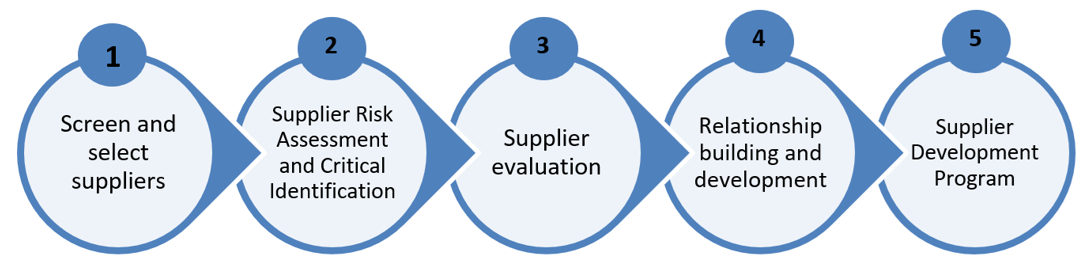
1. Supplier screening
The Company assess and select suppliers with ESG criterion and its business continuity
2. Supplier Risk Assessment and Critical Identification
The Company has established criteria for assessing the critical suppliers and ESG risks, with the aim of categorizing suppliers based on their risks. These criteria consider the characteristics of products and services provided by suppliers, as well as the analysis of procurement costs for each group of goods and services. Additionally, suppliers’ classification criteria was set to ensure appropriate management of suppliers. The criteria for suppliers can be divided into the following types:
2.1 Critical Tier 1 Suppliers
are critical suppliers who produce or directly provide services to the Company.
Critical non-Tier 1 Suppliers
are critical suppliers who produce or directly provide services to the critical Tier 1 Suppliers and should keep as raw material and fuel suppliers substitution
2.2 Tier 1 suppliers
are suppliers who produce or provide services directly to the Company.
Non-Tier 1 Suppliers
are suppliers who produce or provide services to the Tier 1 suppliers.
3. Supplier Site Visit Environmental, Social and Governance Audit (ESG Audit)
The Company will conduct Supplier Site Visit together with relevant departments such as engineering department or subsidiaries' engineers, safety officers, geologists, or external independent auditors, auditors or internal control system auditors, maintenance department or stakeholders and customer representatives within the value chain covering social, environmental, and governance issues.
4. Relationship Building and Supplier Development
After the ESG risk assessment, business partner with a high ESG risk, will be proactively audited to ascertain such risks to establish corrective and preventive action plan to follow up on planned corrective and preventive actions of suppliers as well as provide training, knowledge, and advice to develop their risk mitigation and treatment.
5. Supplier Development Program
The Company prioritizes education, development, and upgrading suppliers’ process and services to meet standards, as well as encouraging social responsibility, clarification, and oversight of suppliers’ respect for human rights, fair treatment of their workers, and social and environmental responsibility. To carry out these implementations, the Company provides communication, contractor safety training, study visits, partner meetings, and an annual supplier assessment to provide advice, collaborate to solve problems, and improve the quality of raw materials for long-term sustainability business development.
The Company established a Supplier code of conduct and practices toward stakeholders including green procurement as detailed in the Supplier code of conduct is provided via the company website. The business ethics and the supplier code of conduct including green procurement are shared to all suppliers and its abstract are shared with targeted suppliers to sign acknowledgement.
The company conducts supplier development activities through its “Suppliers Day” program, most recently held in October 2024. The event was organized in a physical format and included training sessions delivered by both internal and external speakers. The program covered key topics such as compliance with the Supplier Code of Conduct, the impacts of climate change, greenhouse gas emissions, and biodiversity conservation. | Supplier Day | October 2024 |
|
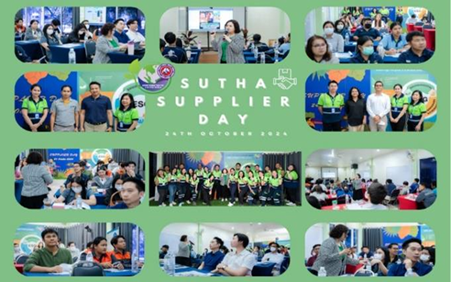
In 2025, the company evaluated and prepared future operational directions, including a plan to transition supplier development activities toward online training platforms to enhance learning efficiency and reduce administrative costs. Nevertheless, the company continues to prioritize training for key supplier groups-contractors, transportation providers, raw material suppliers, and senior safety officers-focusing on job-related safety knowledge and practices to minimize and prevent potential operational risks.
These safety development efforts, particularly for on-site operational contractors who face higher work-related risks, resulted in zero lost-time injuries among employees and contractors in 2025. This achievement aligns with the company’s established safety objectives.
This also includes organizing Supplier Site Visit activities to inspect the fuel raw material loading process.
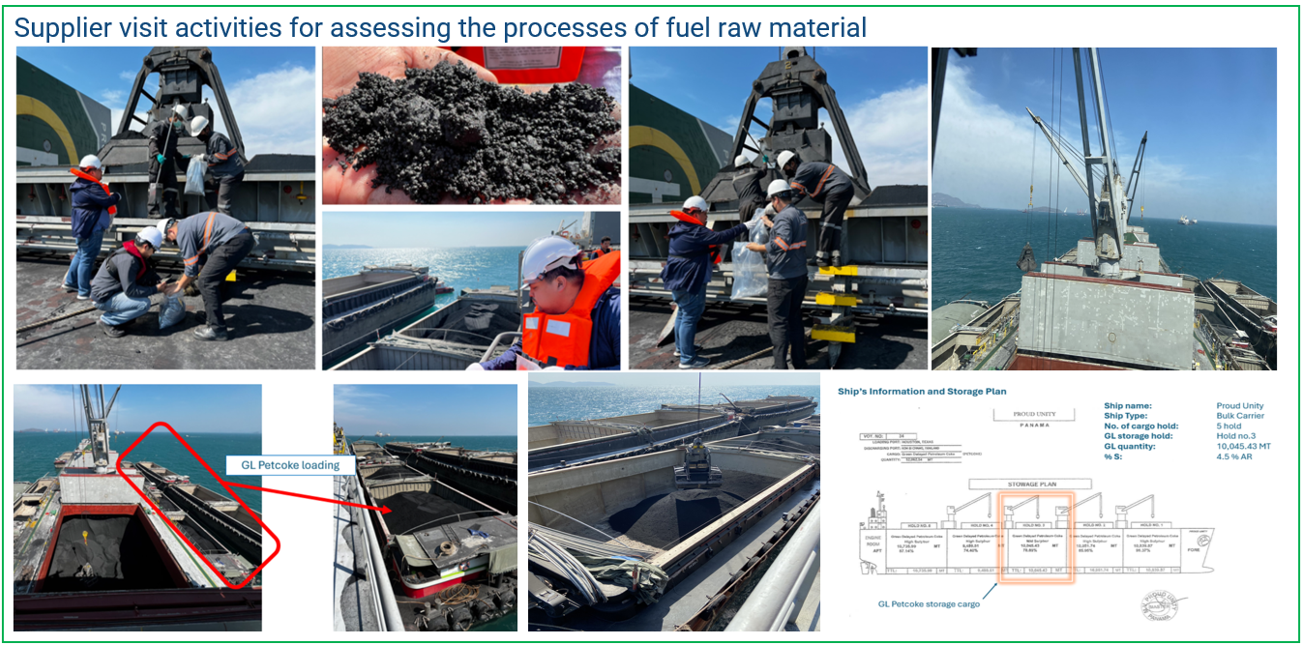
The company works collaboratively with key suppliers to enhance processes across the value chain and mitigate operational impacts. These efforts aim to ensure mutual benefits, strengthen alignment with corporate requirements, and promote standardized value-chain management practices. Supplier development activities include communicating the Supplier Code of Conduct, anti-corruption policies, and sustainability-related guidelines, as well as providing training on labor compliance, environmental management, biodiversity considerations, human rights principles, and occupational health and safety practices. These initiatives support responsible sourcing and help reduce potential environmental impacts, biodiversity risks, and community-related concerns.
2025 Sustainable Supply Chain Management | |||||||
In 2025, the number of suppliers engaged in transactions | 465 Suppliers | Critical Tier 1 Suppliers | |||||
Critical Tier 1 15 suppliers (3%) | Domestic 13 suppliers | International 2 Suppliers | |||||
Suppliers’ Safety Target | Result | ||||||
Zero incident |
| ||||||
Suppliers duly signed acceptance of the supplier code of conduct (GRI:205-2) | |||||||
Target | Actual Performance | Result | |||||
An increase of no less than 25% from 2024, totalling 62 suppliers out of all suppliers. | 72 suppliers = 29 % of all suppliers trading during the year | Target met | |||||
Supplier ESG Self-assessment result | |||||||
2025 | Number of suppliers | ||||||
Total number of suppliers who conducted ESG self-assessment with environmental, Biodiversity Impact, human rights and safety indicators | Assessment Result | 53 | |||||
Number of suppliers assessed with substantial actual/potential negative impacts on
| 60-70 | 0 | |||||
71-80 | 9 | ||||||
81-90 | 10 | ||||||
90-100 | 34 | ||||||
Risk assessment Critical Tier 1 suppliers | |||||||
There are 15 Critical Tier 1 suppliers, accounting for 3% of the total number of trading partners. These Critical Tier 1 suppliers undergo both inherent risk assessments and risk assessments based on key risk factors prioritized by the company. In summary, there are 4 suppliers with inherent risks, and none of the suppliers have high-risk issues and no complaints have been received from the suppliers. | |||||||
Number of Raw-Material Distributors (Overall)
15
Production Capacity (Overall)
| Item | Unit | Used | Capacity |
|---|---|---|---|
| Lime Capacity (Quick Lime & Dolome) | Ton | 58 | 493,500 |
| Mill Lime (ML) | Ton | 53 | 183,000 |
| Hydrated Lime (HL) | Ton | 39 | 157,000 |
| Calcium Carbonate (CaCO3) | Ton | 5 | 26,000 |
Domestic/Overseas Purchase Proportion (Overall)
| Raw Material | Source Country | Value |
|---|---|---|
| Domestic Goods and Services Procurement Rate for the Year 2025 | Thailand | 478,985,503 |
Projects Under Construction
Has Projects Under Construction (Y/N)
Yes
Description
As of December 31, 2025, the company generates revenue from the marble design and installation project, which includes marble sculptures and artworks by Thai Marble Company Limited, a subsidiary. There are also ongoing projects that have not yet been completed.
More Detail
Total Projects
5
Total Project Value
10.61
Recognized Value
3.89
Remaining / Unrecognized Value
6.72
Projects
| Project Name | Description | Value | Income % | Est. Years | Est. Months | Est. Completion |
|---|---|---|---|---|---|---|
| 1) Project: Wat Pa Thamkiri Granite for Prataksin area Ubosot Chedi Mahachakriwachiramongkol | Project value according to book | 2 | 47 | 0 | 3 | 2026-12-01 |
| 2) The OCR (Five Horses) Marble decorative sculpture sales and installation. | Project value according to book | 4 | 32 | 0 | 3 | 2026-03-01 |
| 3) K.W. Creative Integration Co., Ltd. Decoration for Thap Thim Shrine at Bang Chak Police Station Marble sell and install | Project value according to book | 0 | 0 | 0 | 1 | 2026-02-01 |
| 4) White and Gray Marble Buddha statue of Saraburi, Maravijaya Posture, Nong Ek Wanaram Temple | Project value according to book | 2 | 12 | 0 | 12 | 2026-12-01 |
| 5) The Busabok Project Four Noble Truths Pagoda Wat Pa Khaw Wang, Nan Province Marble decorative sculpture sales and installation. | Project value according to book | 1 | 100 | 0 | 1 | 2026-01-01 |
Debentures & Bills of Exchange
Has Debentures (Y/N)
No
Convertible Securities
Has Convertible Securities (Y/N)
No